The physician who wrote Luke and Acts names 32 countries, 54 cities, and 9 islands — and correct local titles for each — with a precision only a contemporary could achieve.
Confirms · Luke & Acts — the eyewitness precision of the Gospel record
32 / 54 / 9
countries / cities / islands, all correct
84 details
confirmed in Acts 27–28 alone
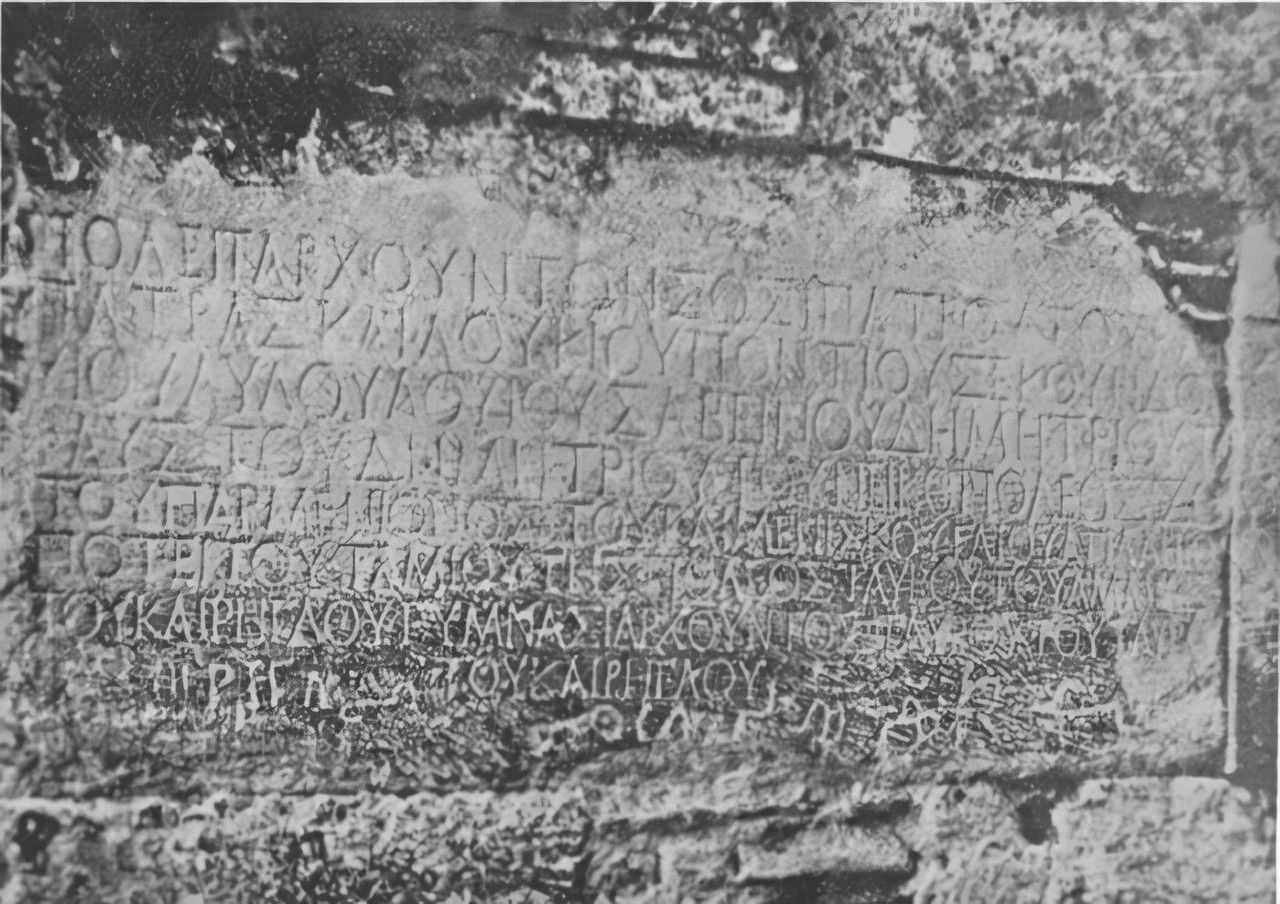
“politarch”
Luke's rare title — verified in stone
Acts 18:12
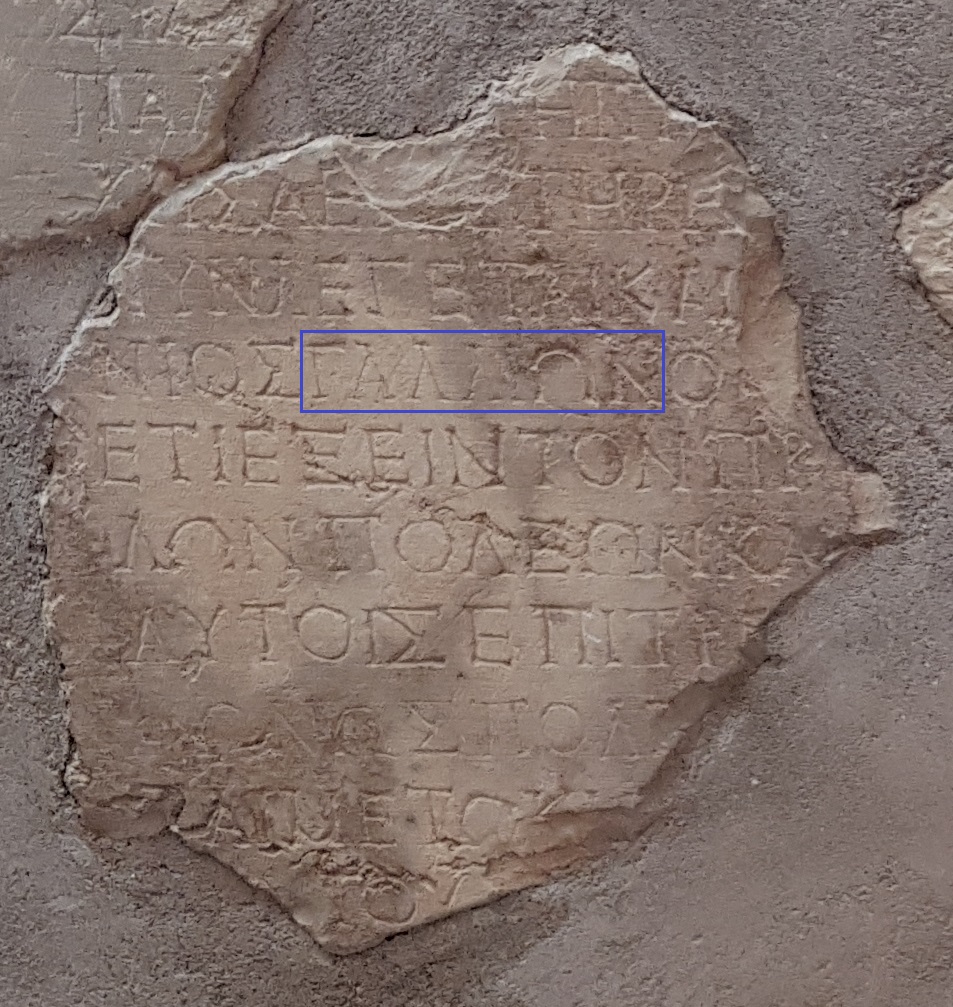
Gallio, dated by inscription
What it is
Luke, the physician-historian who wrote the Gospel of Luke and the Book of Acts, set his
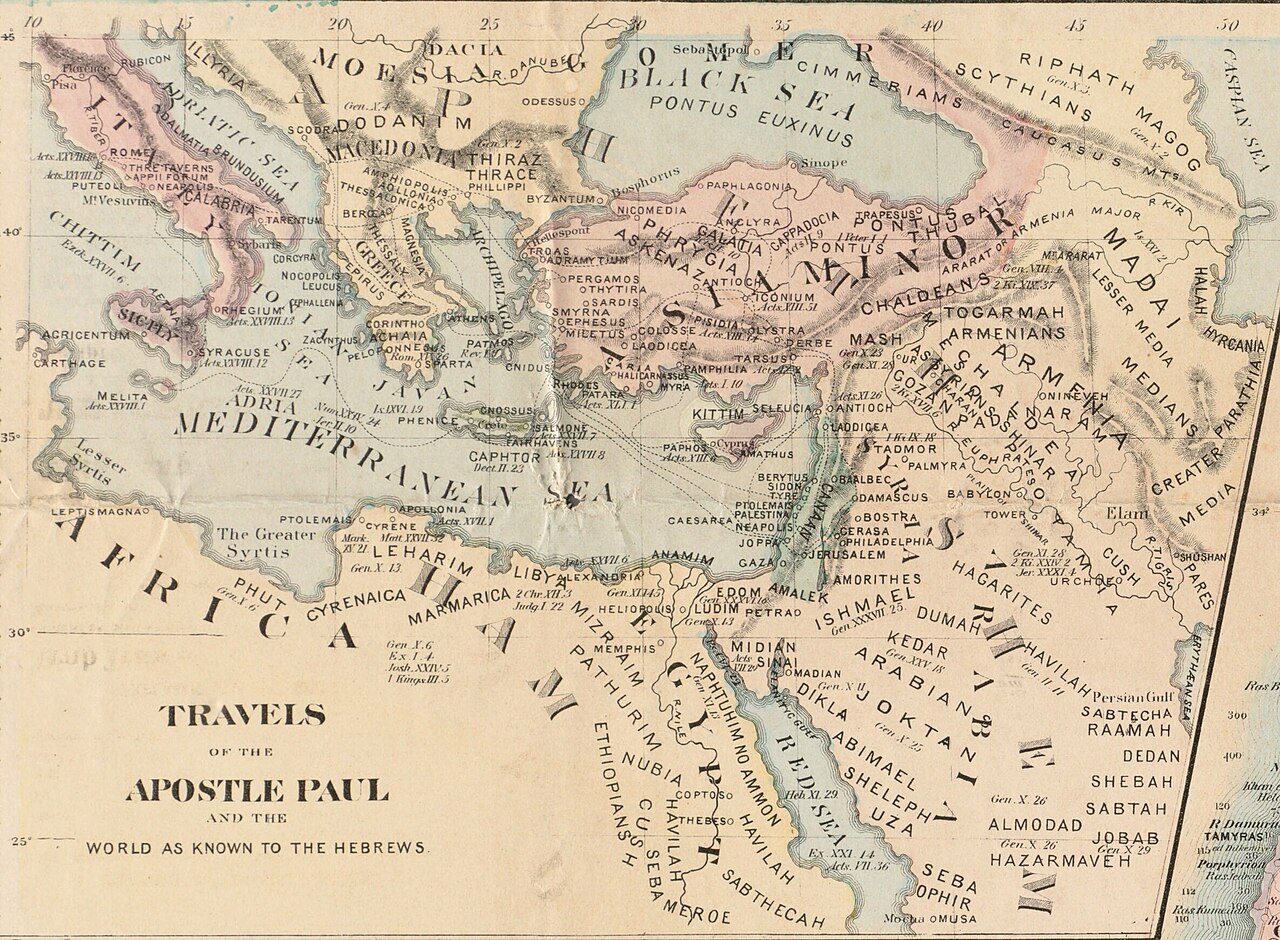
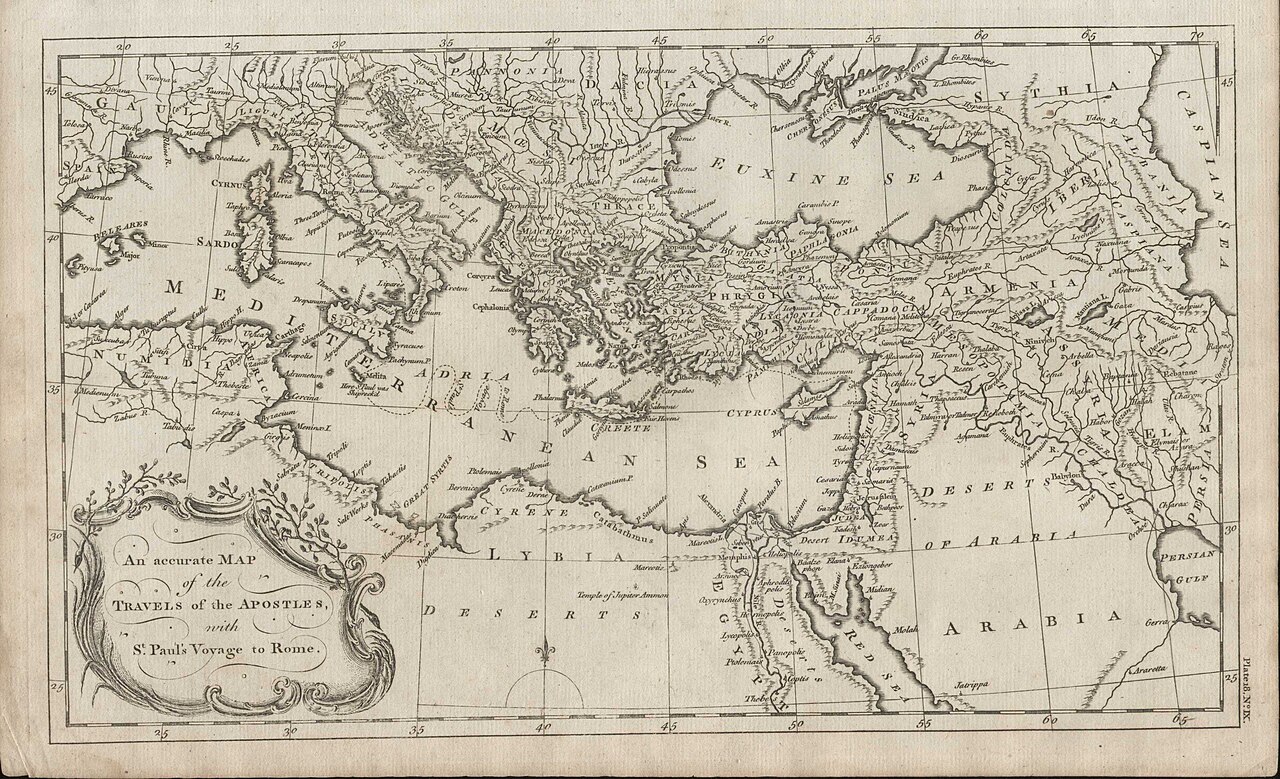
account across the whole eastern Roman world. Modern tallies of his geography credit him with naming about
32 countries, 54 cities, and 9 Mediterranean islands — and, remarkably, giving the
correct, locally-specific title for officials in each place: “politarchs” at
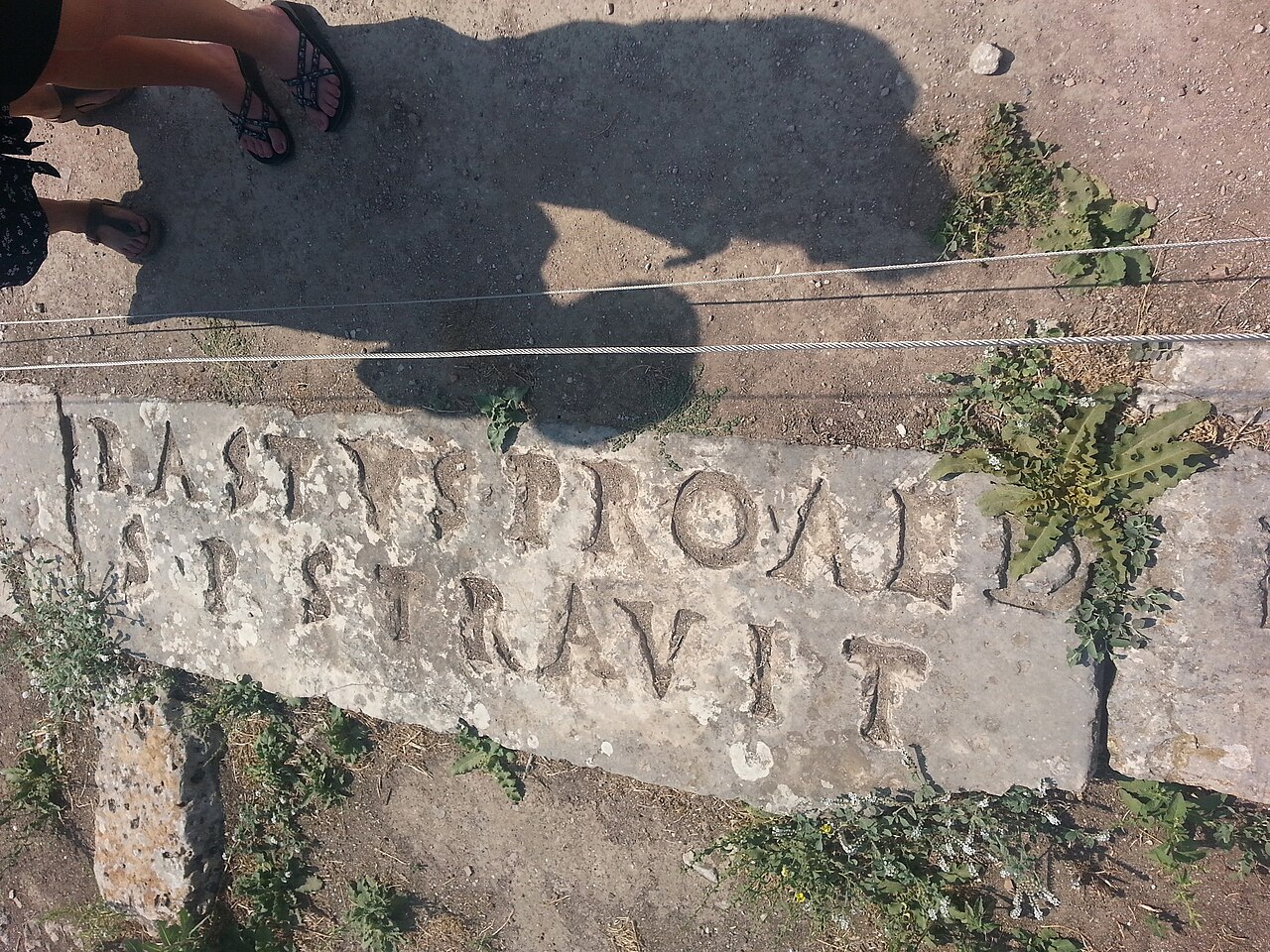
Thessalonica, a “proconsul” (Gallio) at Corinth, the “first man” (Publius) of Malta,
“Asiarchs” at Ephesus. These titles varied from city to city and changed over time; getting them
right is extraordinarily hard for anyone writing at a distance.
How it confirms the Bible
The great classical archaeologist Sir William Ramsay set out in the 19th
century to expose Acts as a late, unreliable fiction. His own fieldwork across Asia Minor reversed him
completely: “Luke is a historian of the first rank… this author should be placed along with the
very greatest of historians.” The Oxford classicist A. N. Sherwin-White judged
Acts so accurate that “any attempt to reject its basic historicity must now appear absurd.”
Colin Hemer catalogued 84 details in Acts 27–28 alone independently confirmed by
external evidence.
The confirmations are physical, too. The Gallio Inscription at Delphi fixes the proconsul's
term at Corinth — dating Paul's visit (Acts 18:12) to within a year. The
“politarch” inscriptions from Thessalonica confirm the very title critics said Luke
had invented. This density of verified detail is the fingerprint of an eyewitness reporter,
not a distant myth-maker — and it is the same author who reports what Jesus said and did.
Read honestly: geographic and administrative precision establishes that Luke was a
careful, contemporary historian writing from firsthand knowledge — it builds the credibility of
his reporting. It does not, by itself, prove the miracles he records; it shows that the man who records them was
a meticulous witness to the world in which they happened.
The evidence in pictures
Every image links to the full-size original — click any photo to open it.
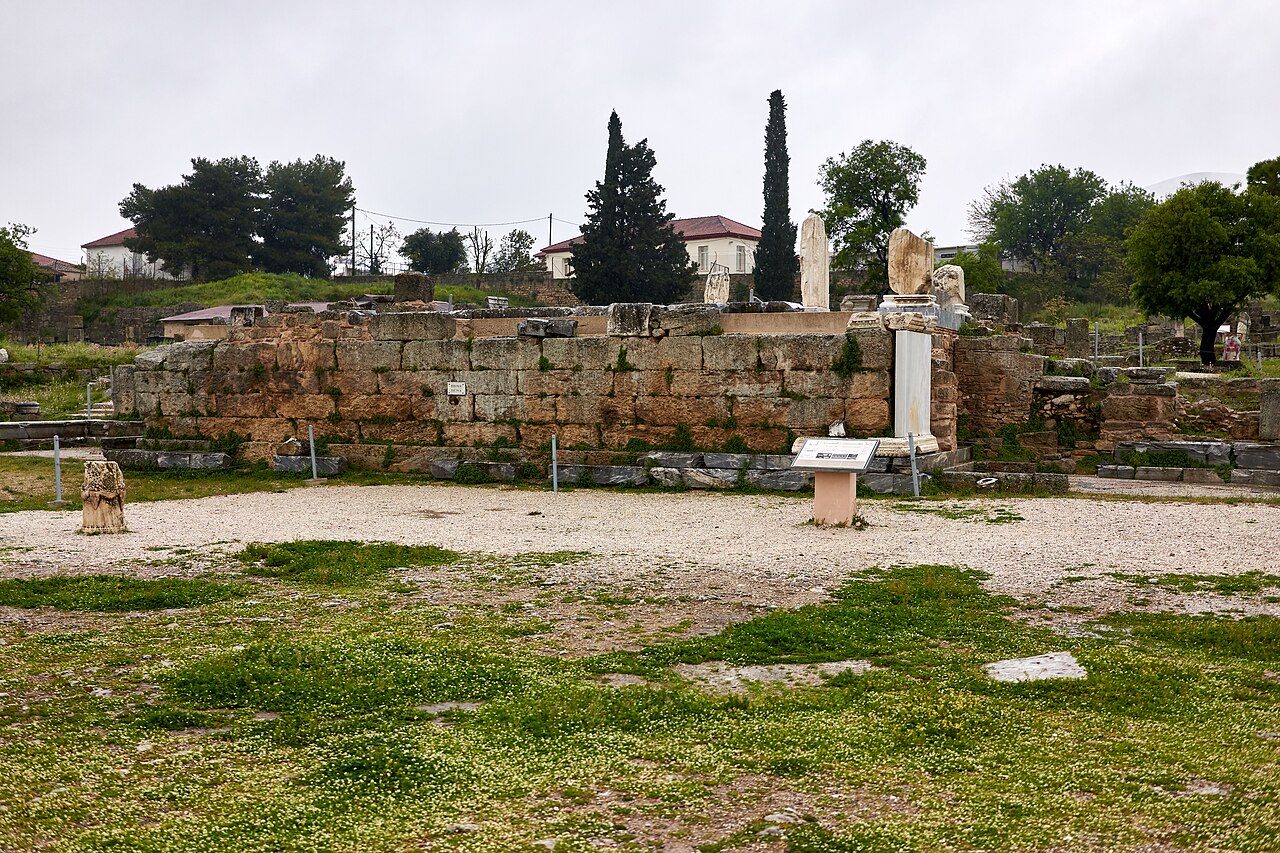
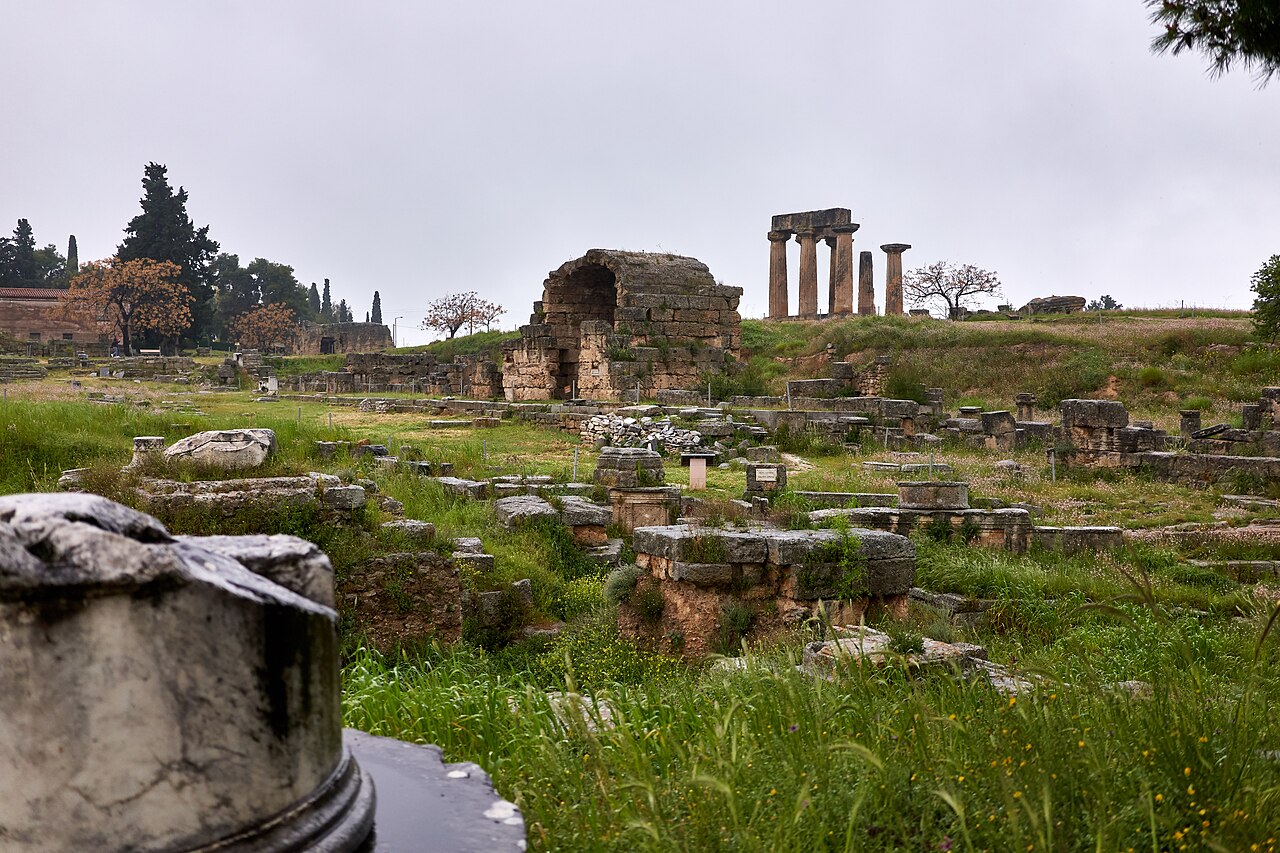
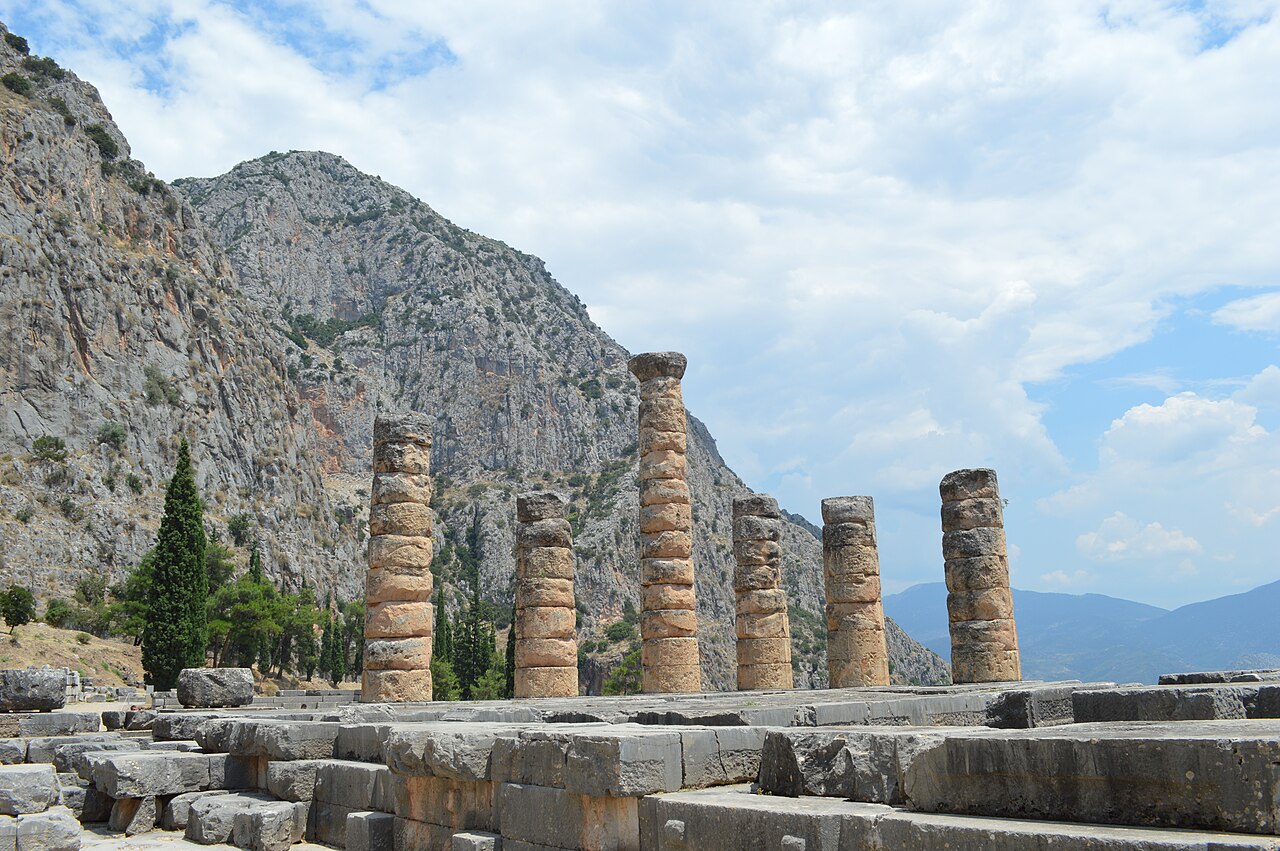
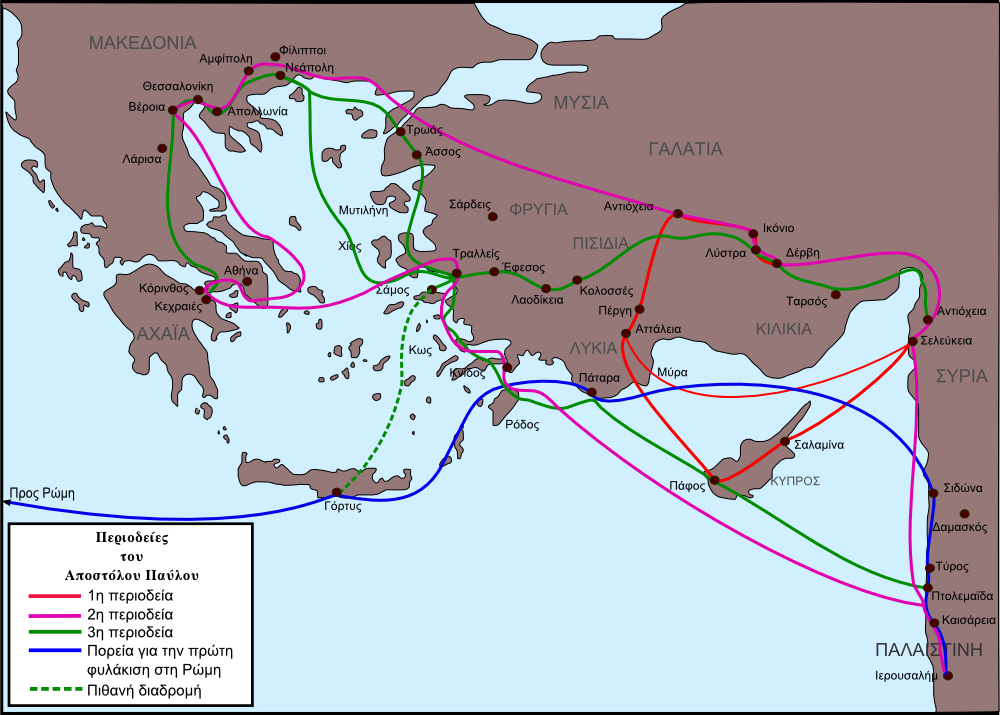
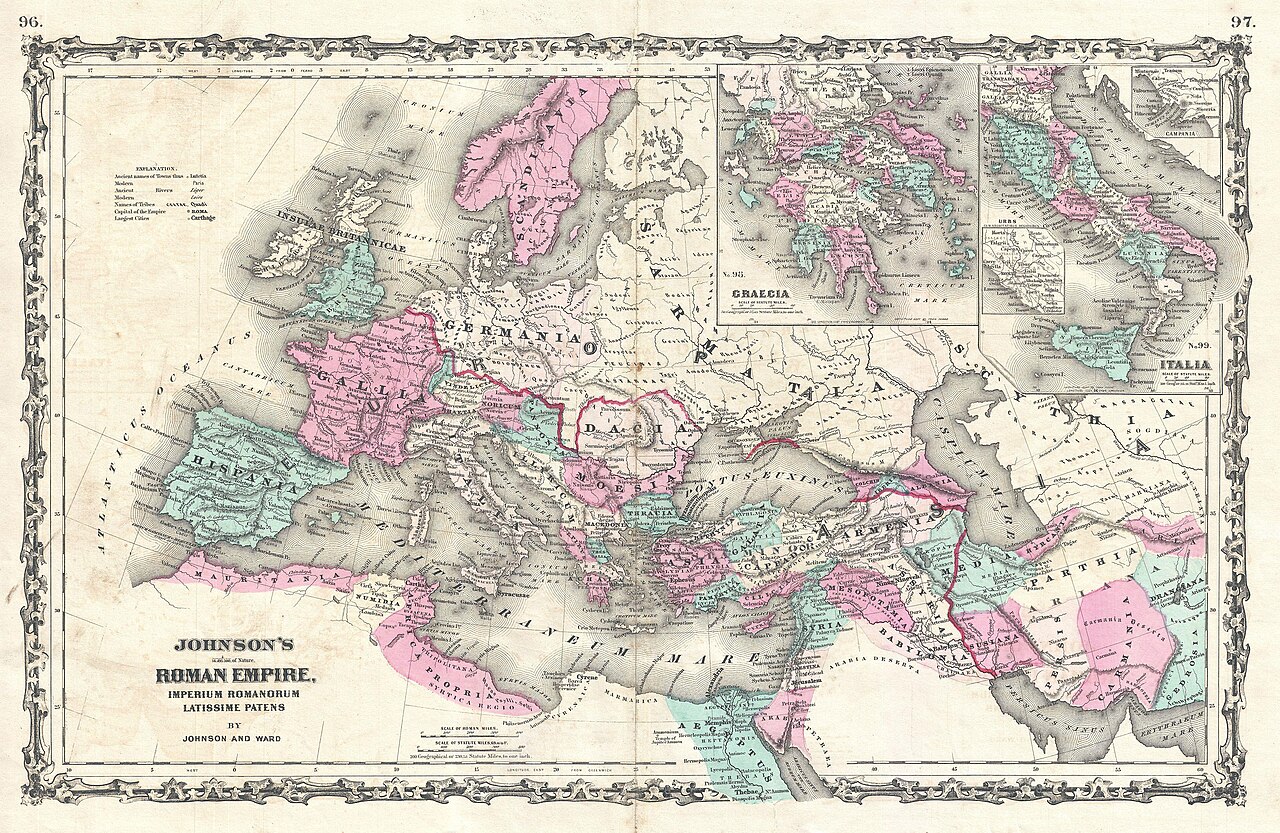
The Gallio Inscription at Delphi — dates Paul's stay in Corinth (Acts 18:12).The bema (judgment seat) at Corinth, where Paul stood before Gallio.The forum of ancient Corinth.The Temple of Apollo, Corinth.The Erastus pavement inscription, Corinth (cf. Romans 16:23).A “politarch” inscription — Luke's exact term for Thessalonica's rulers (Acts 17:6).A map of the Roman world Luke narrates across Luke & Acts.A map of the Roman world Luke narrates across Luke & Acts.A map of the Roman world Luke narrates across Luke & Acts.A map of the Roman world Luke narrates across Luke & Acts.
Image credits. All images are used from freely-licensed (public-domain / Creative-Commons) sources, chiefly Wikimedia Commons. 01_gallio_inscription.jpg — Wikimedia Commons (freely licensed) · 02_gallio_bema.jpg — Wikimedia Commons (freely licensed) · 03_gallio_corinth_forum.jpg — Wikimedia Commons (freely licensed) · 04_gallio_apollo_temple.jpg — Wikimedia Commons (freely licensed) · 05_gallio_erastus_stone.jpg — Wikimedia Commons (freely licensed) · 06_gallio_politarch.png — Wikimedia Commons (freely licensed) · 07_1873_map_of_the_travels_of_Apostle_Paul_jpg.jpg — Norman B. Leventhal Map Center at the BPL · Public domain · Wikimedia Commons · 08_An_accurate_map_of_the_travels_of_the_Apostles_w.jpg — Wikimedia Commons · Public domain · Wikimedia Commons · 09_Apostle_Paul_s_journeys_png.png — Geraki at Greek Wikipedia · CC BY-SA 3.0 gr · Wikimedia Commons · 10_1862_Johnson_Map_of_the_Roman_Empire_Geographicu.jpg — Alvin Jewett Johnson · Public domain · Wikimedia Commons
Read it:
Ramsay, W. M., St. Paul the Traveller and the Roman Citizen (1895) ·
Sherwin-White, A. N., Roman Society and Roman Law in the New Testament (1963) ·
Hemer, C. J., The Book of Acts in the Setting of Hellenistic History (1989) ·
Gallio Inscription — overview.
Hosted on GodExamined.com as a plain-language summary of published archaeology,
with links to the authoritative sources above for independent verification. Each claim is stated at the
strength the evidence supports — no more.