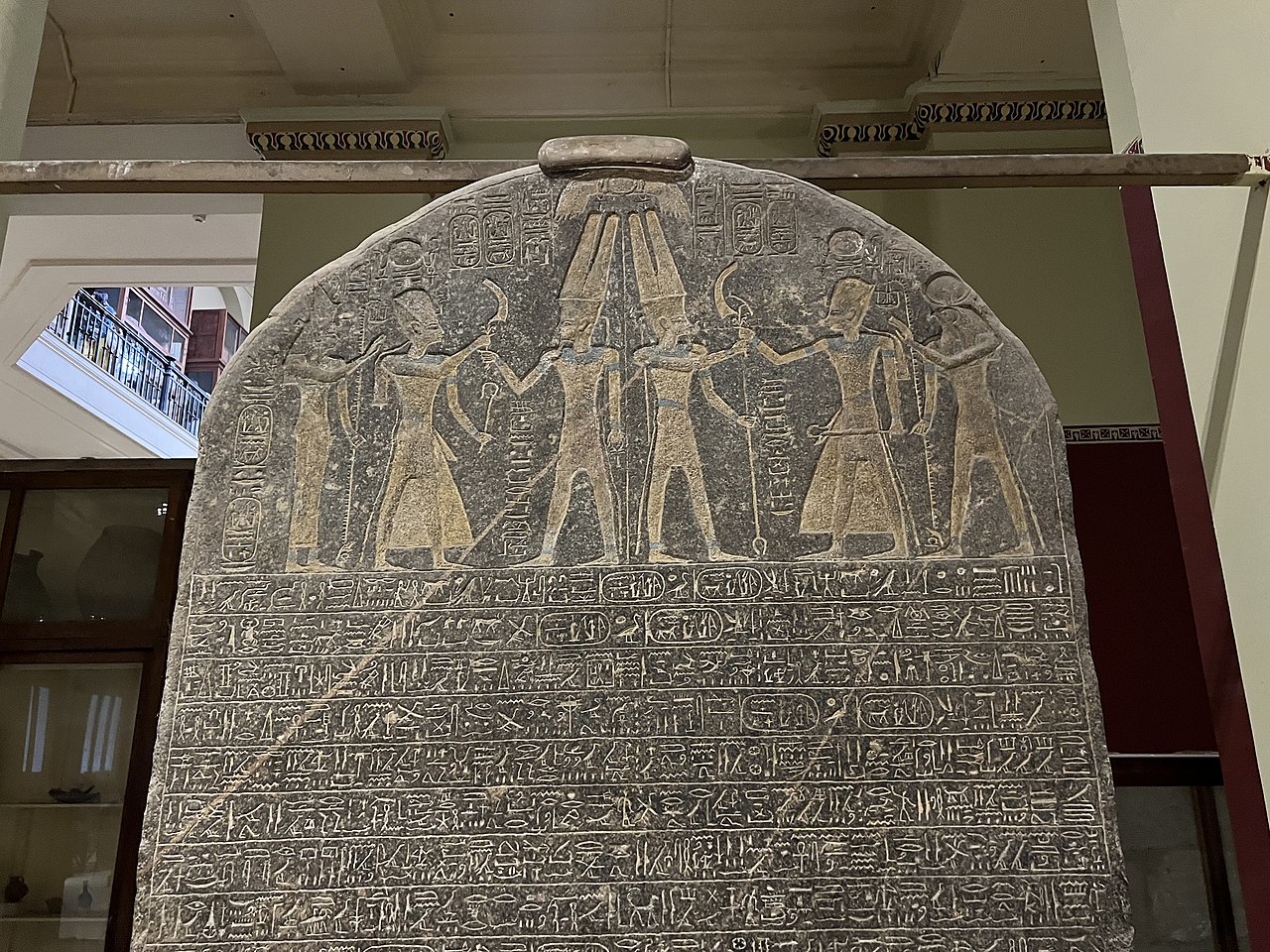
Egypt's own victory monument names “Israel” as a people in Canaan more than 3,200 years ago — the earliest mention of Israel anywhere on earth.
Confirms · Israel existed as a people in Canaan by ~1208 BC — the era of Joshua & Judges
~1208 BC
carved (black granite)
1896
found by Flinders Petrie, Thebes
“Israel”
earliest mention on earth
Cairo Museum
JE 31408
What it is
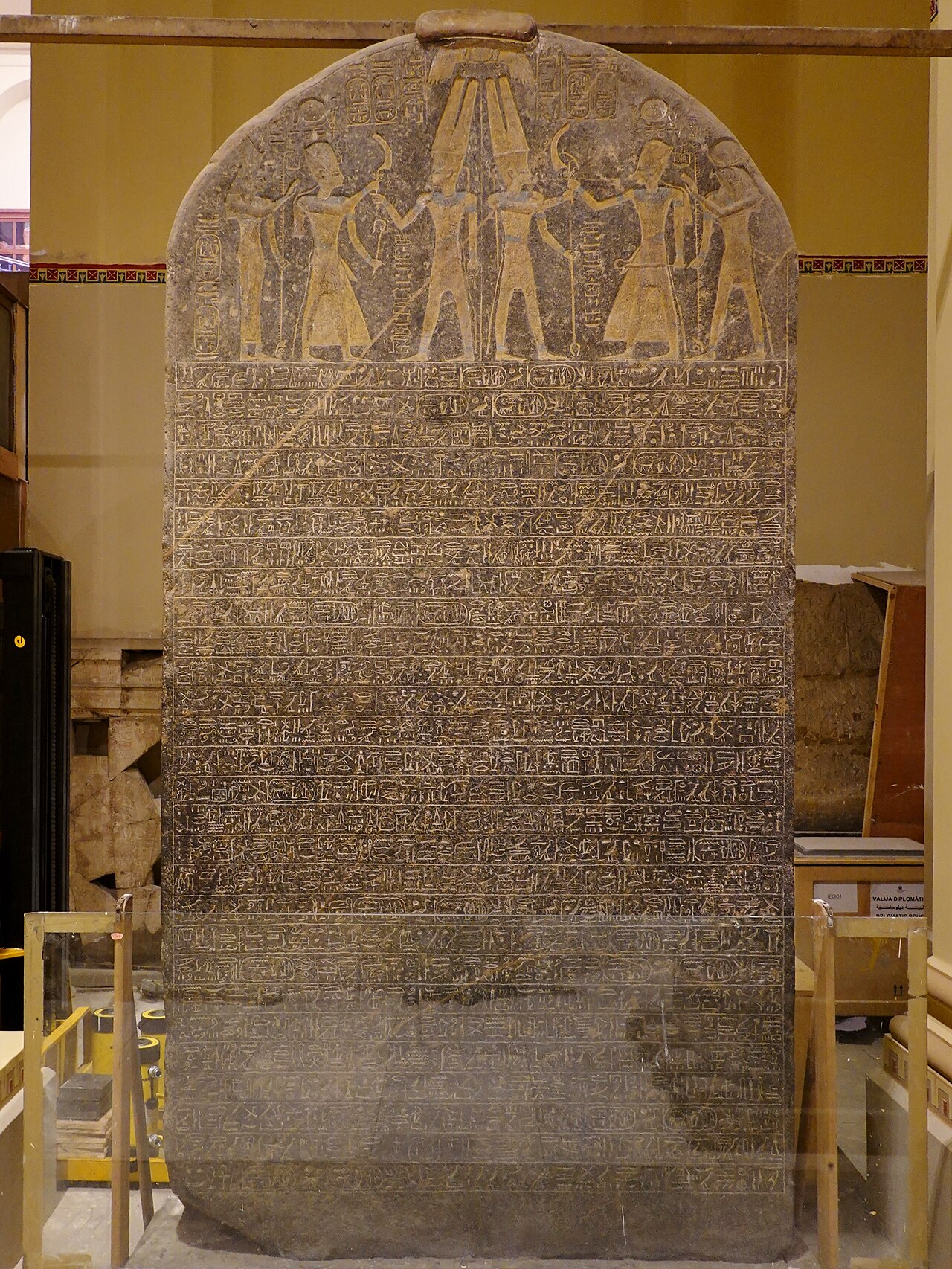
In 1896, the pioneering Egyptologist Flinders Petrie found a ten-foot black
granite stele in the ruined mortuary temple of Pharaoh Merneptah at Thebes. Carved about
1208 BC, it is a victory hymn celebrating Merneptah's campaign in Canaan. Near the end, in a list of the
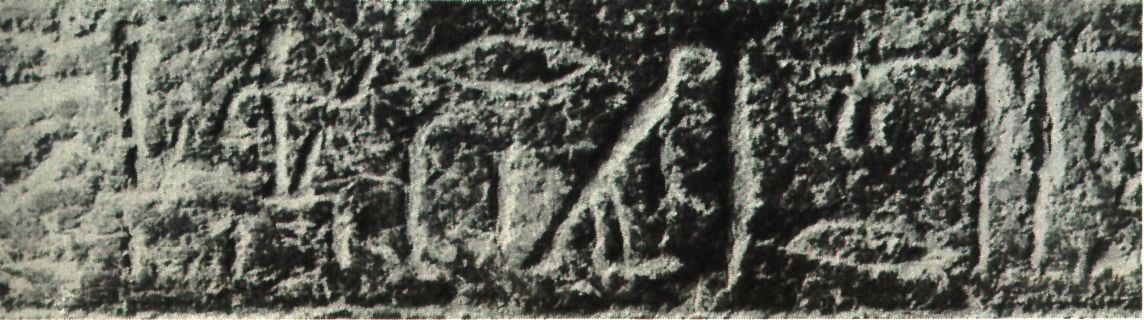
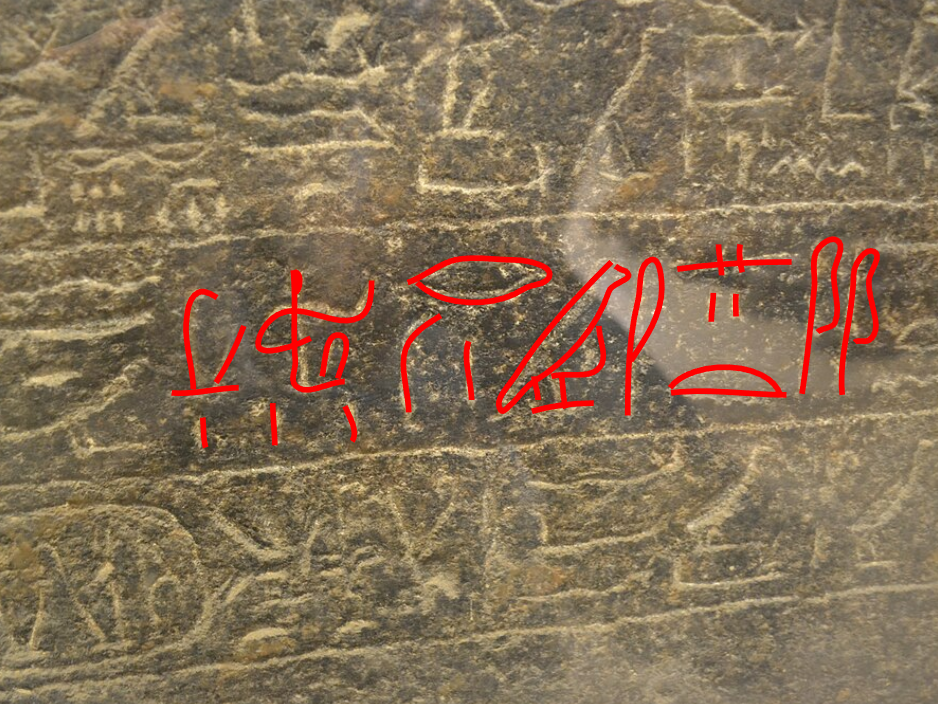
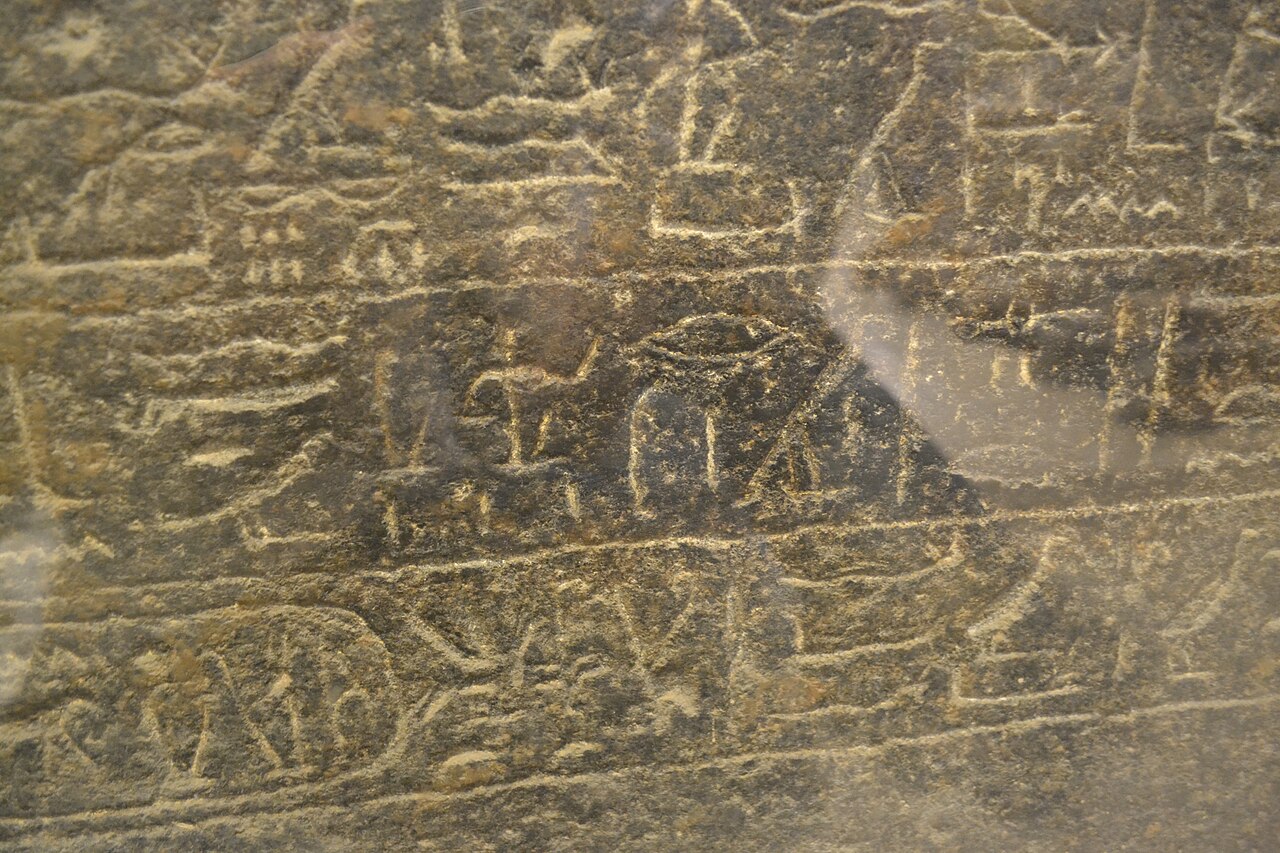
peoples and cities he claims to have crushed, appears a single line: “Israel is laid waste; its
seed is not.”
Crucially, the Egyptian scribe marked the word “Israel” with the hieroglyphic
determinative for a people (a group of humans), not the sign for a city or land. To Egypt,
in 1208 BC, Israel was already a recognisable people living in Canaan.
How it confirms the Bible
This is the earliest reference to Israel found anywhere — and it
comes from Israel's oldest imperial rival, Egypt. It places a people called Israel firmly in Canaan by the end
of the 13th century BC, precisely the period in which the Bible describes Israel as an established
presence in the land under Joshua and the Judges.
Skeptics long argued that “Israel” as a nation was a much later invention of the Persian or
Hellenistic era. Egypt's own monument pushes Israel's documented existence back five to seven
centuries earlier than that theory allows — anchoring the antiquity of the very people whose
story the Old Testament tells.
Read honestly: the stele proves that a people named Israel existed in
Canaan by ~1208 BC. It does not, by itself, confirm the details of the Exodus or Conquest narratives —
it confirms Israel's early existence and location, which is exactly what a late-invention theory
cannot survive. The reading of the “people” determinative is the mainstream scholarly view.
The evidence in pictures
Every image links to the full-size original — click any photo to open it.
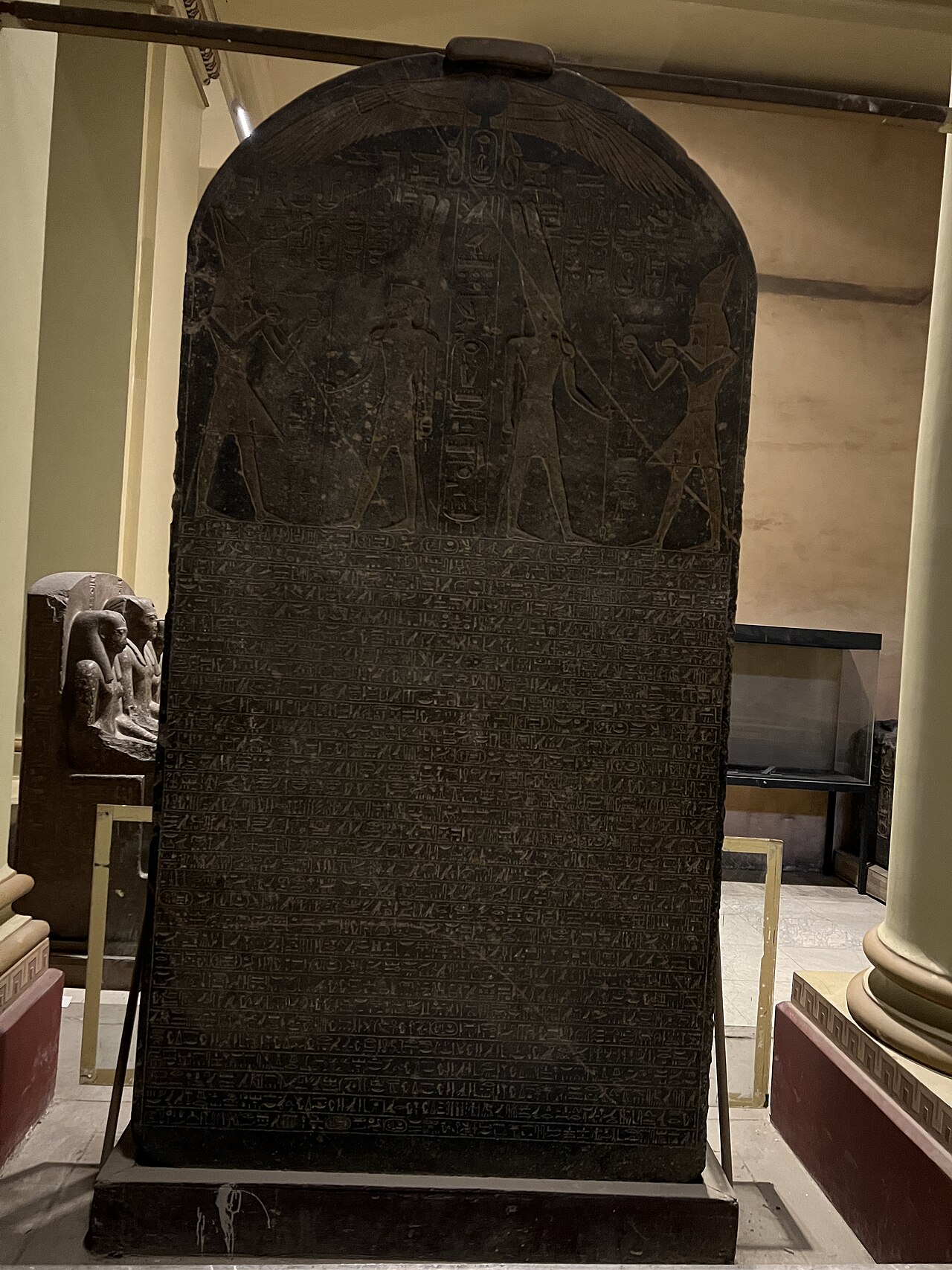
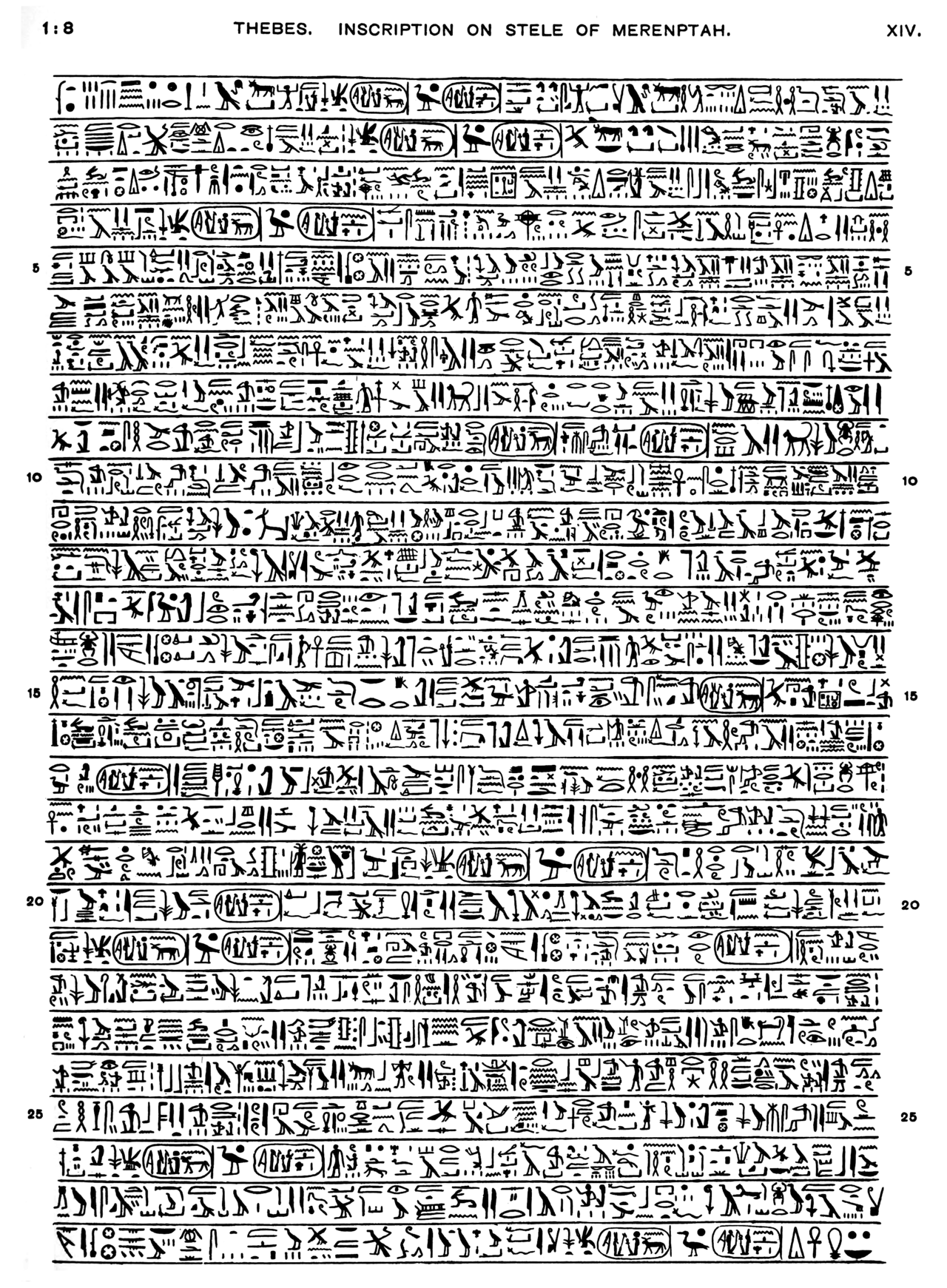
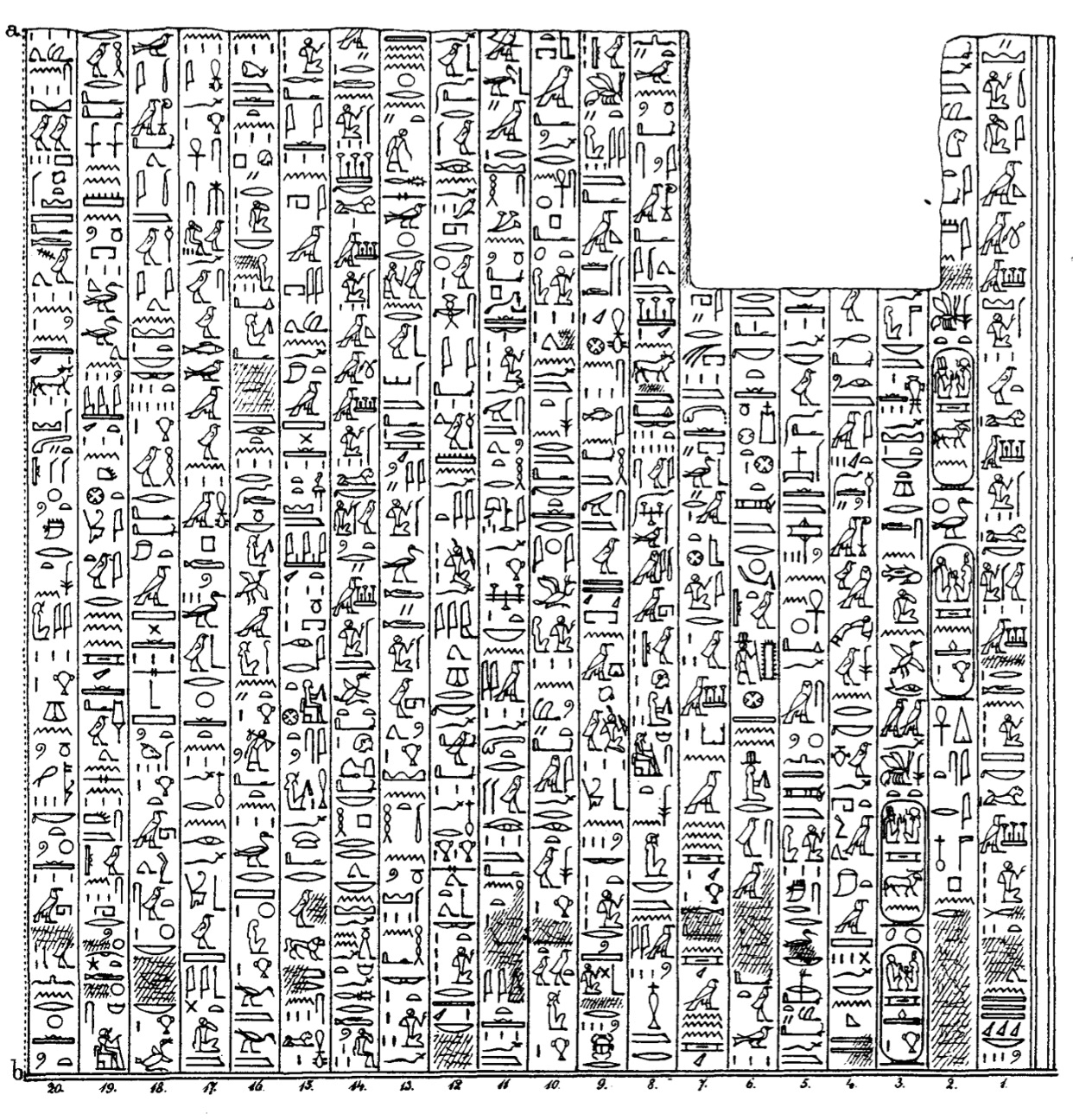
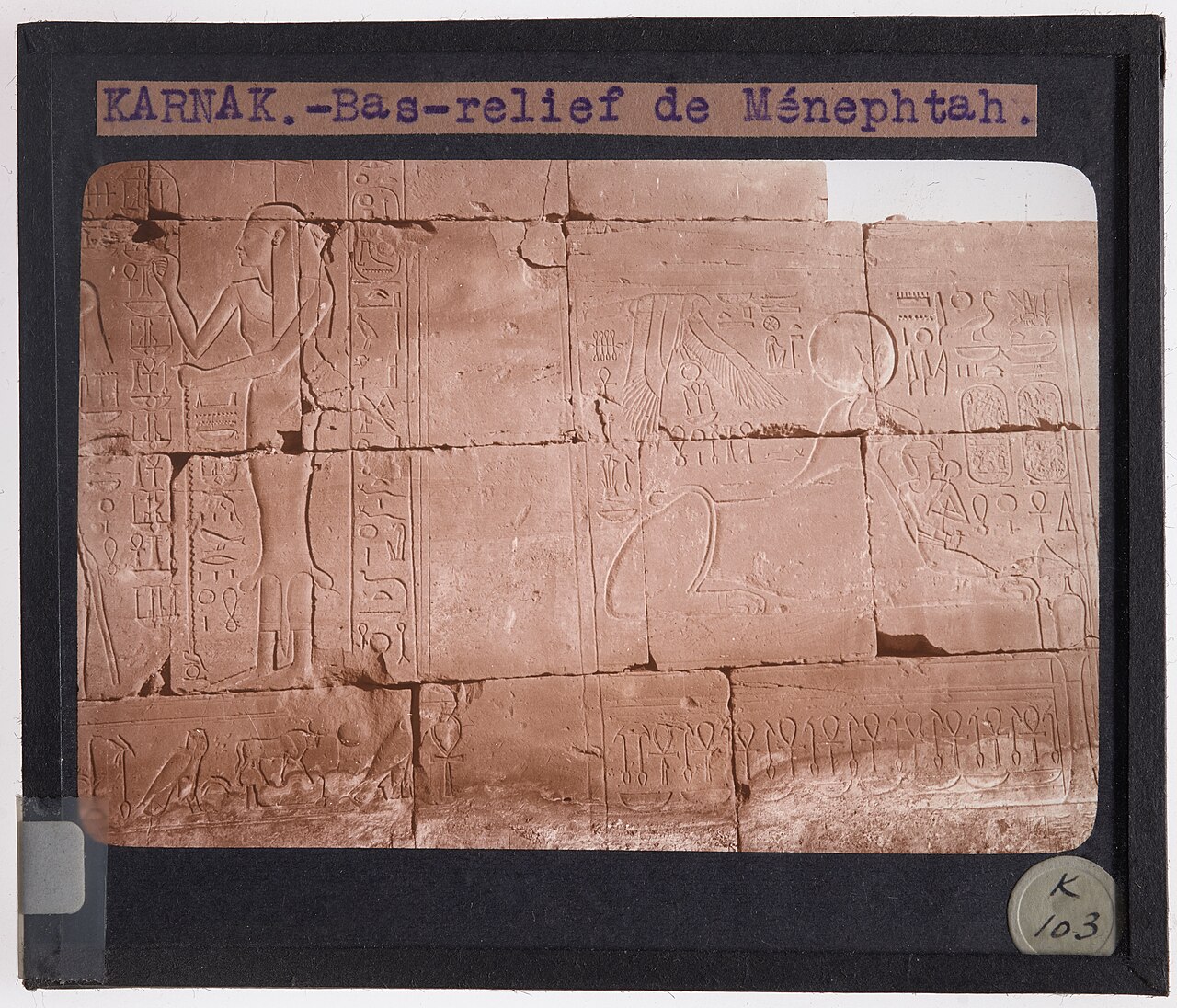
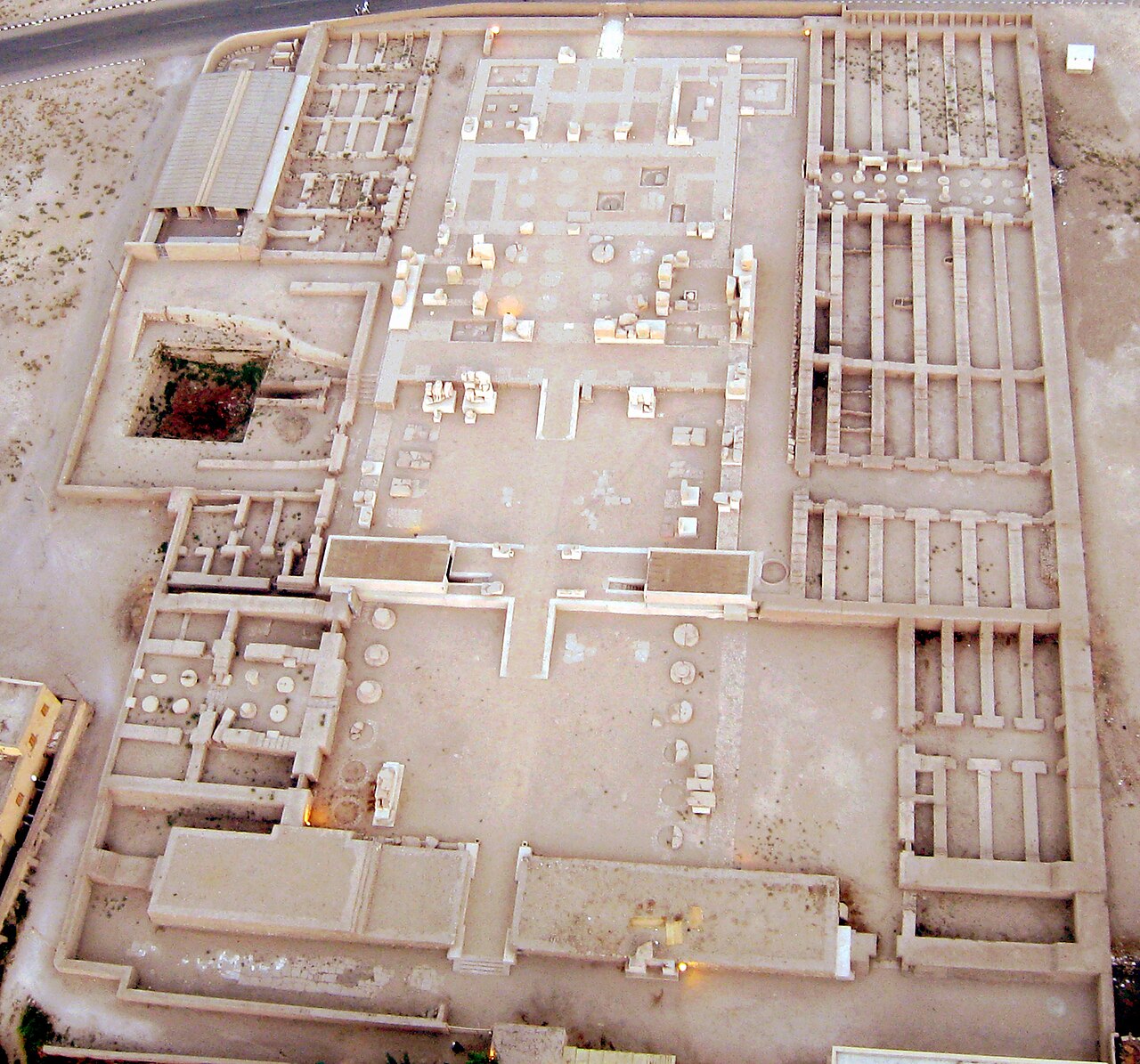
The Merneptah Stele in the Egyptian Museum, Cairo.The hieroglyphs naming “Israel” — with the determinative marking a people.Full view of the granite monument.The reverse face of the stele (reused from an earlier Amenhotep III monument).Petrie's published facsimile of the inscription (1897).The Karnak temple precinct, home to a second copy of the text.Battle reliefs at Karnak associated with the campaign.The mortuary temple of Merneptah at Thebes, where the stele stood.The Merneptah Stele — bearing the earliest mention of Israel (further views).The Merneptah Stele — bearing the earliest mention of Israel (further views).
Hosted on GodExamined.com as a plain-language summary of published archaeology,
with links to the authoritative sources above for independent verification. Each claim is stated at the
strength the evidence supports — no more.