← Back to GodExamined.com
New Testament · Tier-A Archaeology

The Pool of Siloam

Found in 2004 exactly where John 9:7 says it was — the first-century pool where Jesus sent the man born blind to wash and receive his sight.
Confirms · The Gospel of John — John 9:7 (and John 5:2, the Pool of Bethesda)
John 9:7
“wash in the Pool of Siloam”
2004
monumental steps uncovered
City of David
southern Jerusalem
2nd Temple
first-century date confirmed

What it is

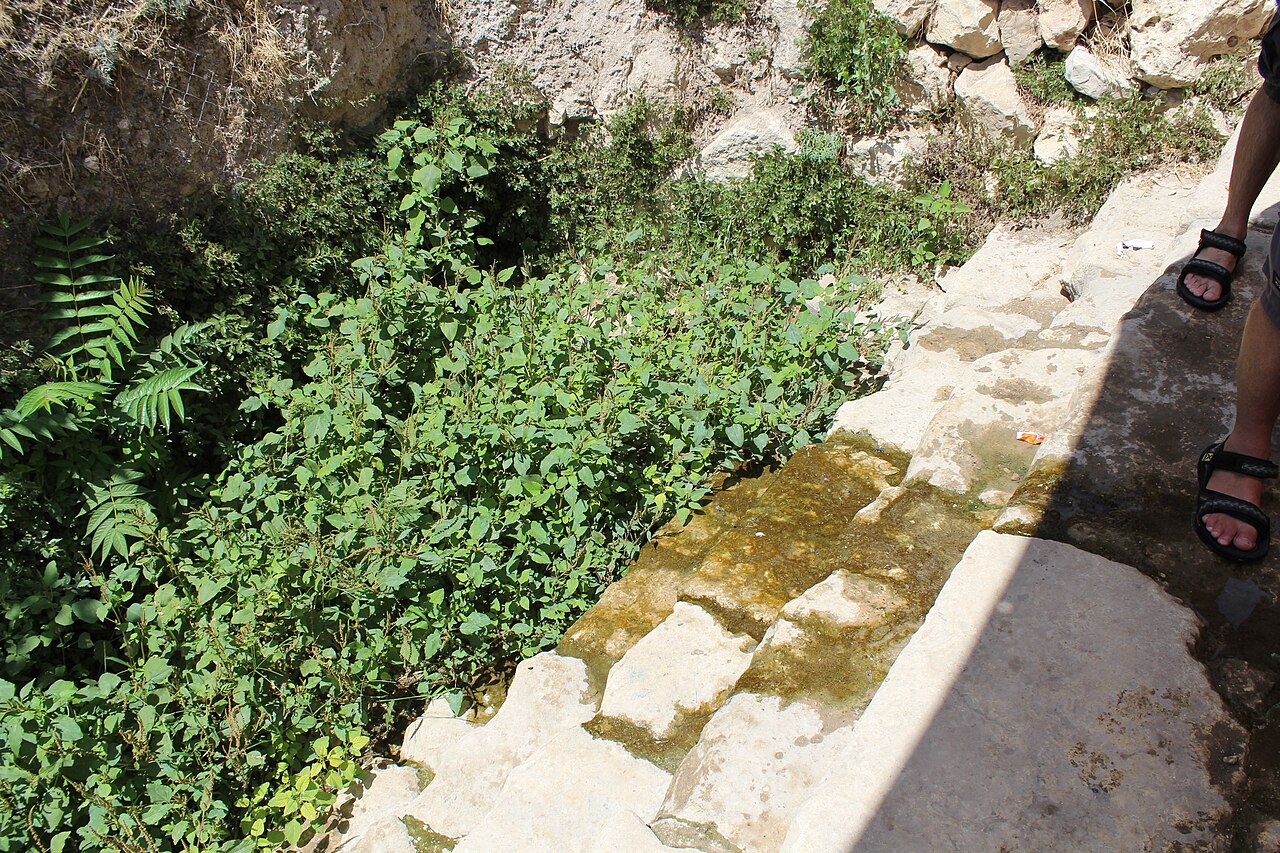
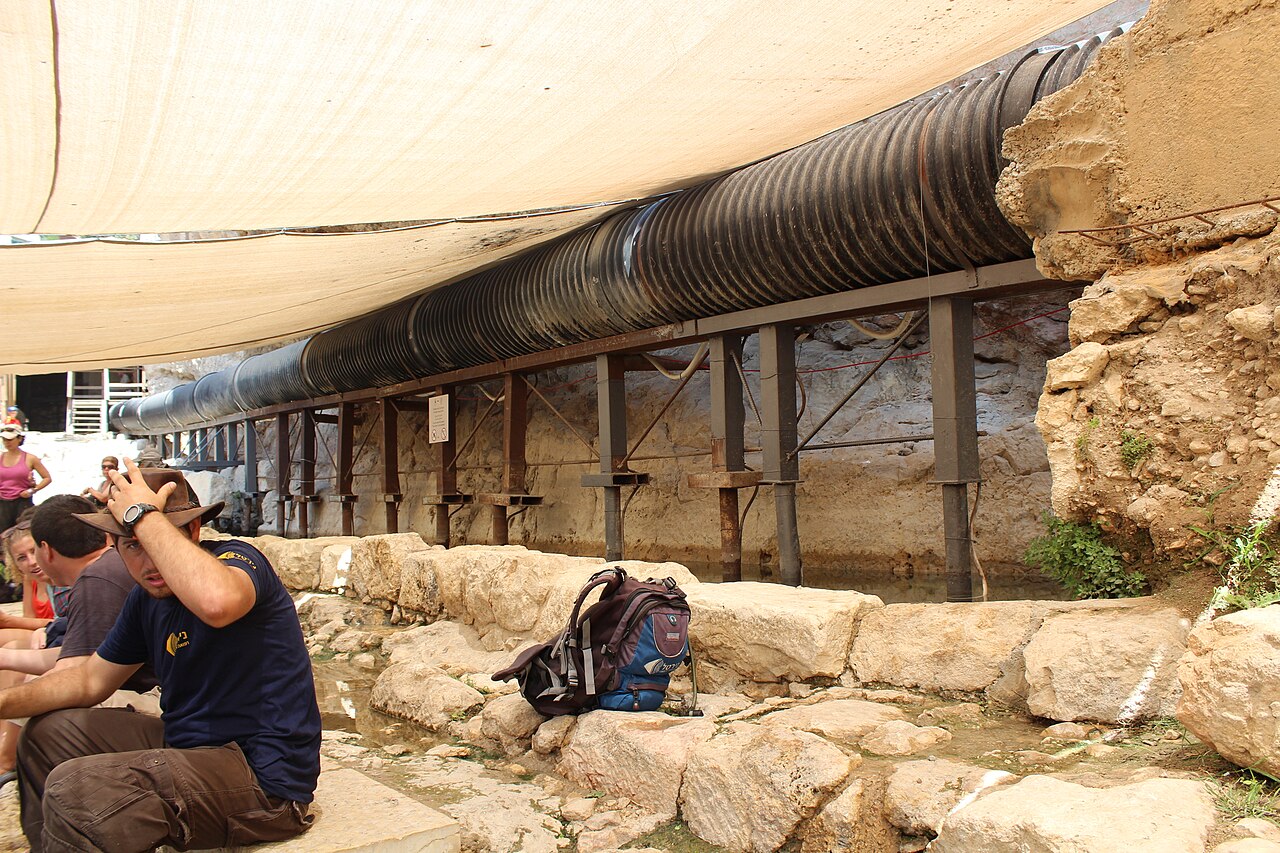
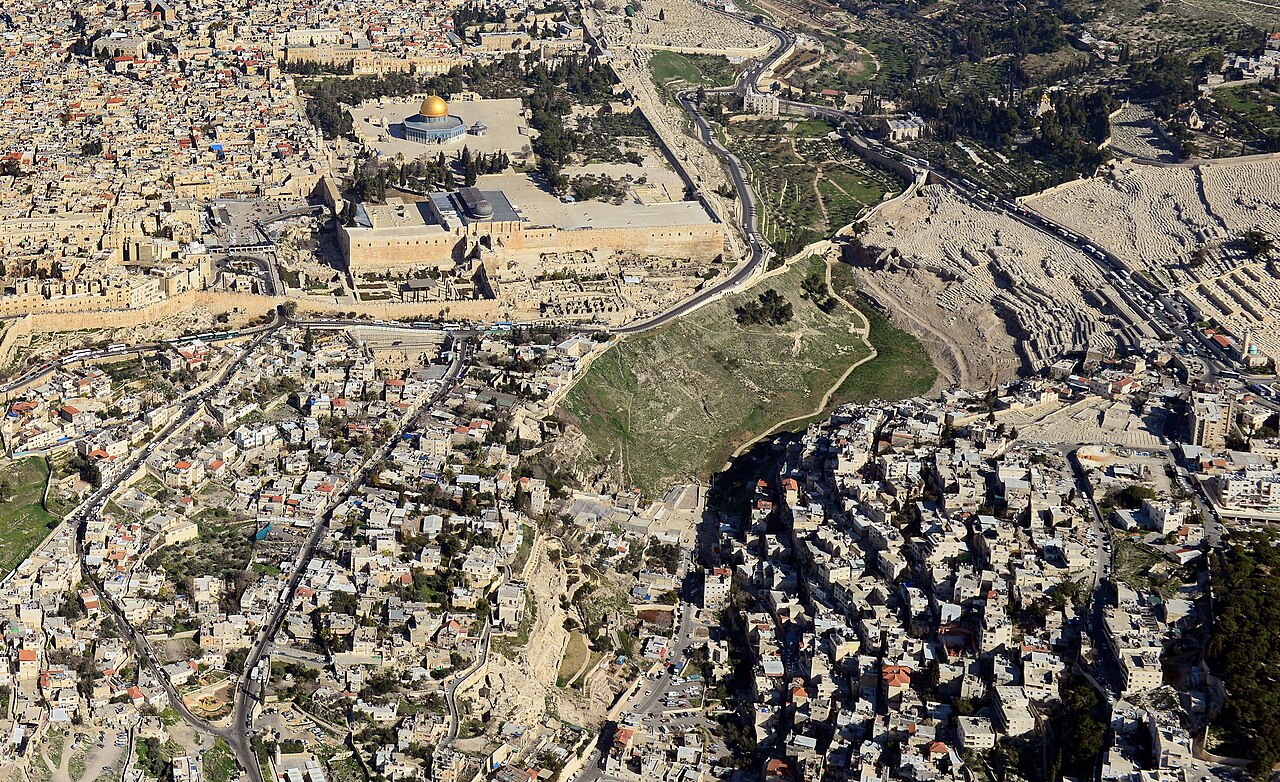
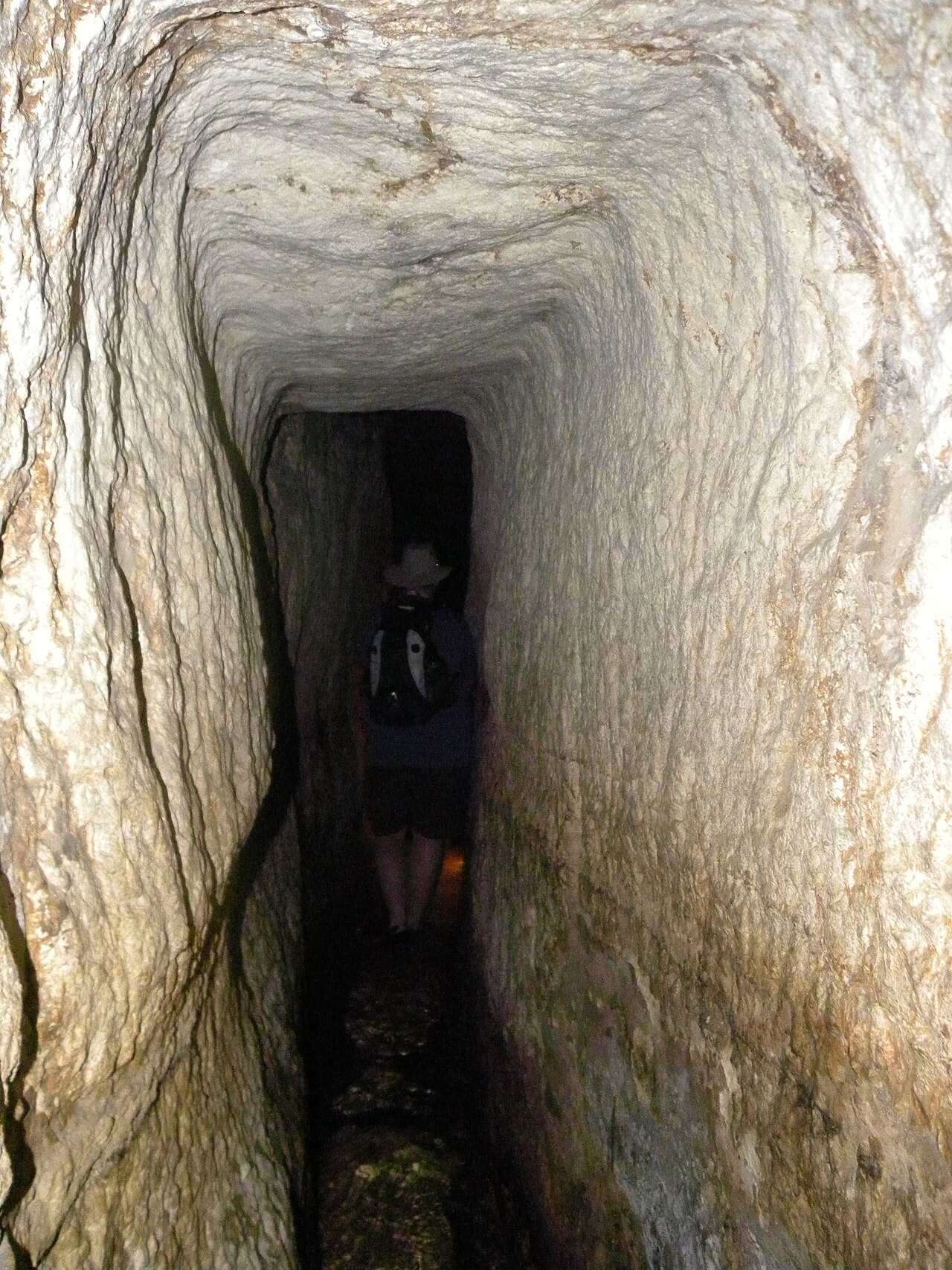
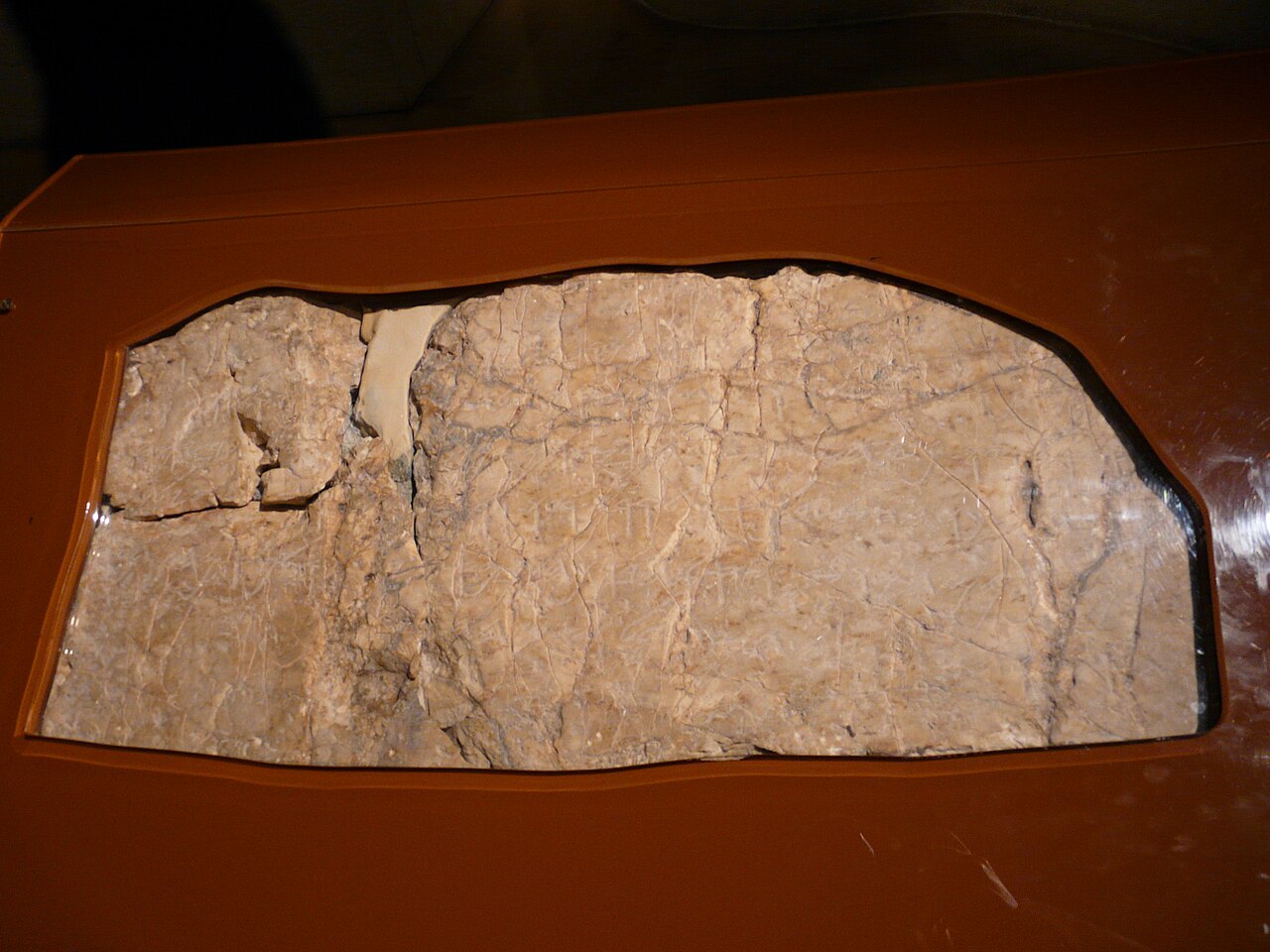
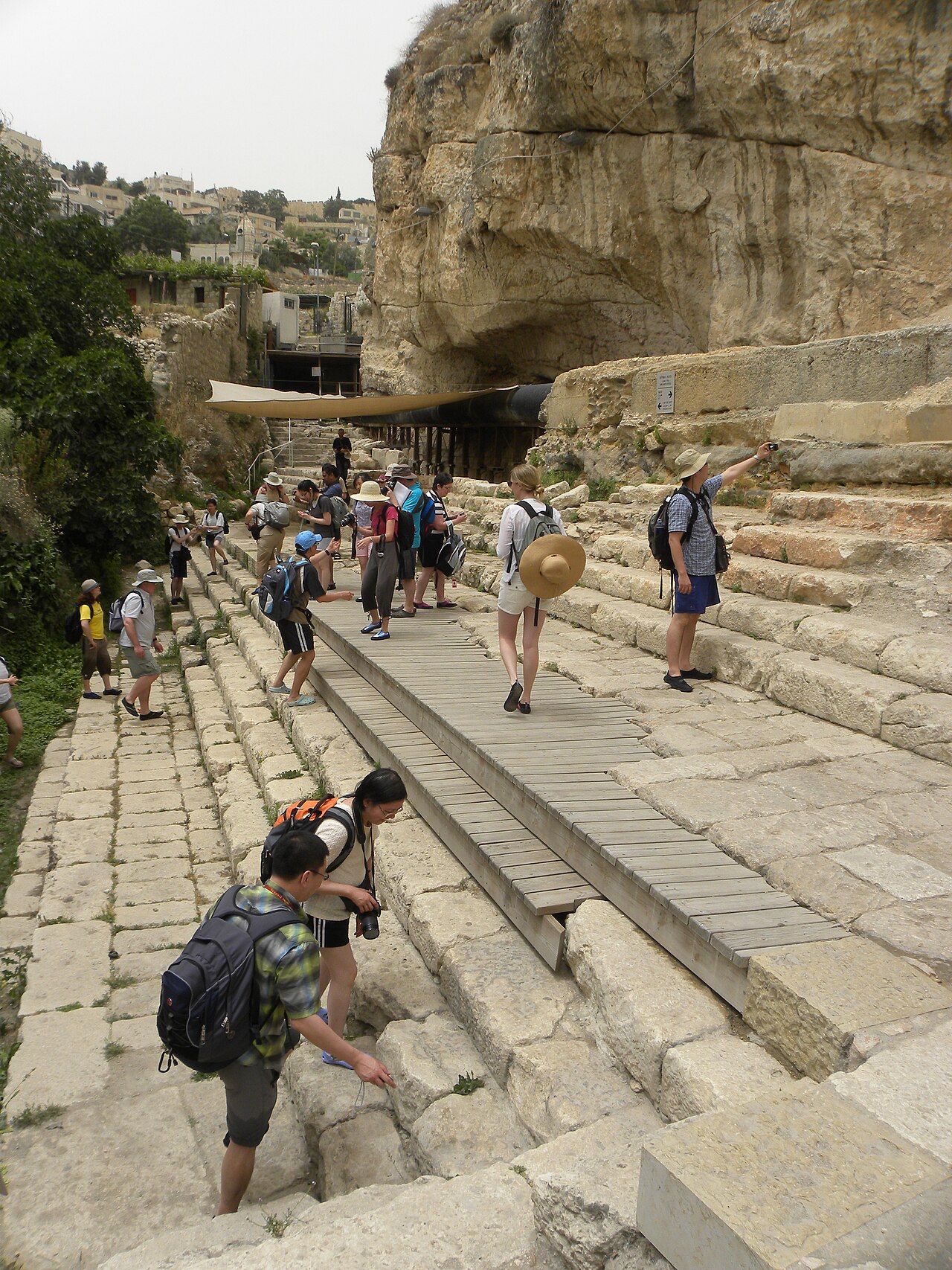
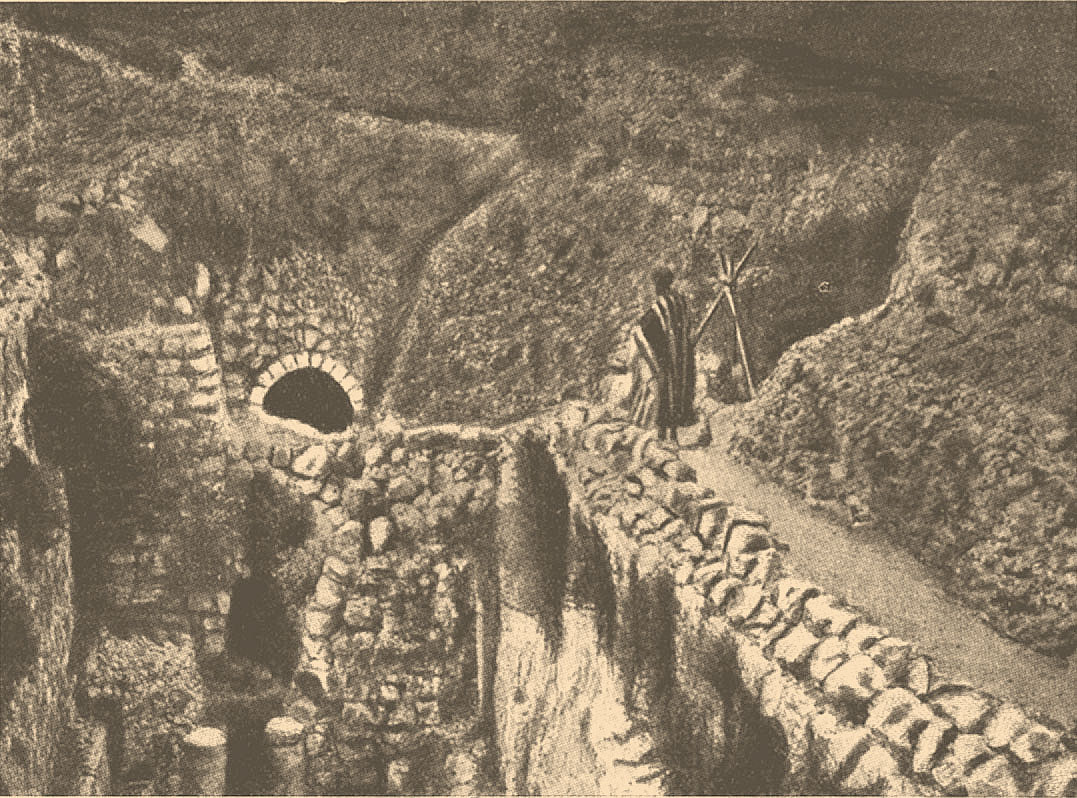
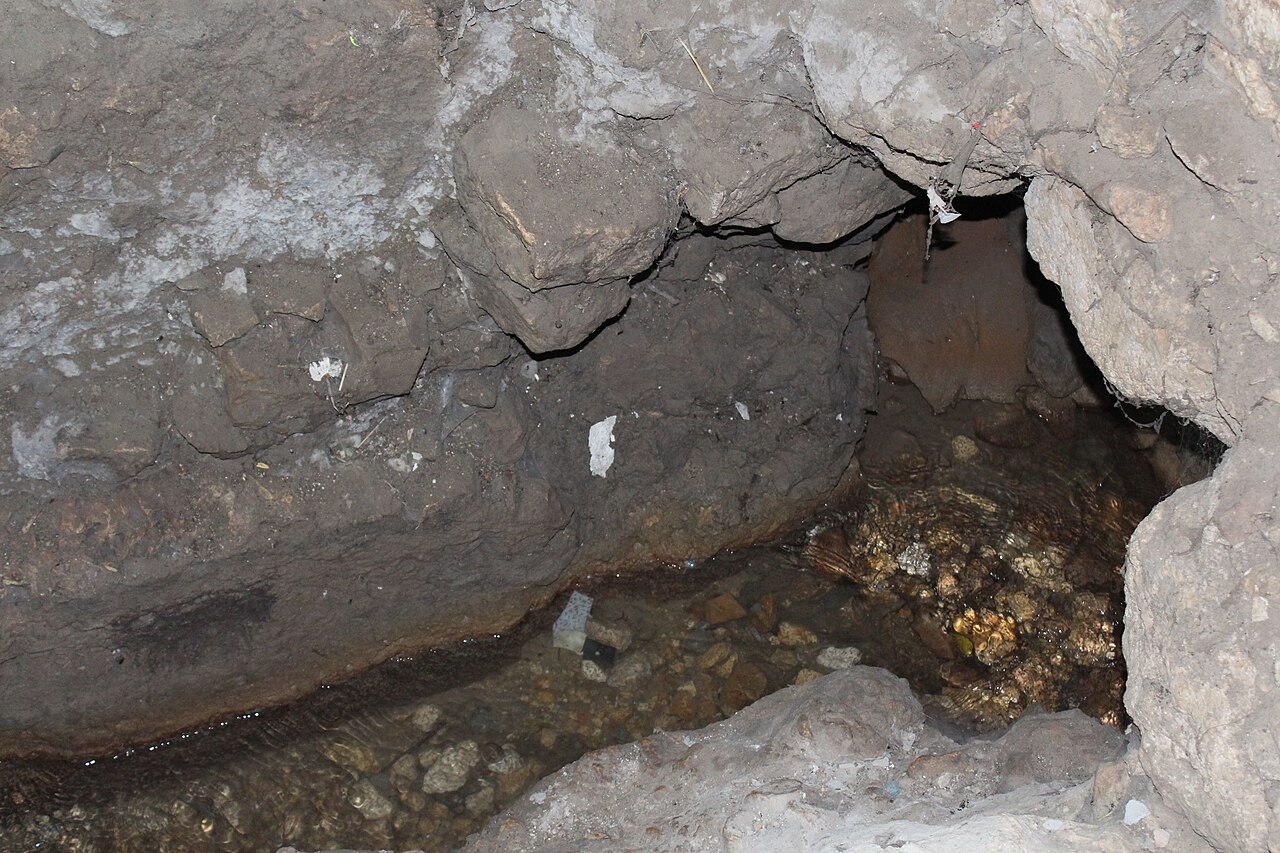
In the summer of 2004, a city crew repairing a broken sewer line at the southern tip of the City of David in Jerusalem cut into a flight of ancient stone steps. Archaeologists Ronny Reich and Eli Shukron recognised what had surfaced: the monumental Second-Temple-period Pool of Siloam — a large public reservoir with broad stepped sides, fed through Hezekiah's Tunnel from the Gihon Spring. The pool was in active use in the first century AD, in the days of Jesus, and was buried after Jerusalem's destruction in AD 70.

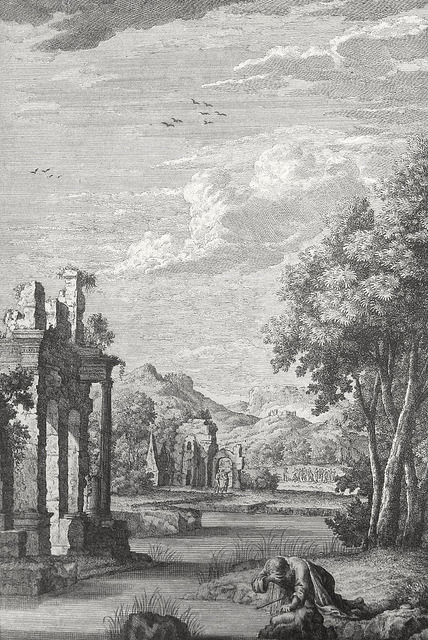
This is the pool John names: “Go, wash in the Pool of Siloam” (which means Sent). So the man went and washed, and came home seeing” (John 9:7).

How it confirms the Bible

For generations, critics treated the Gospel of John as the latest and least historical Gospel — a theological meditation written far from Jerusalem, decades after the city was gone, whose place-names were assumed to be symbolic rather than real. The 2004 discovery struck at that assumption. John's author knew the actual first-century pool, in the actual location, in a city that ceased to exist in AD 70.

Only someone with firsthand, pre-destruction knowledge of Jerusalem could place it so exactly. Paired with the Pool of Bethesda — the “five porticoes” of John 5:2, long dismissed as invention until excavation found a twin pool with exactly five colonnades — the Pool of Siloam shows that John's Gospel rests on eyewitness-grade topography, not late legend. The book that most directly proclaims Jesus as God is anchored in the real streets of the real city.

Read honestly: the pool confirms that John's setting is accurate first-century Jerusalem — that its author knew the city firsthand. It cannot, on its own, prove the miracle that took place there; what it proves is that the Gospel reports a real place with precise, verifiable knowledge, which is exactly what we would expect of eyewitness testimony and not of distant myth.

The evidence in pictures

Every image links to the full-size original — click any photo to open it.

Image credits. All images are used from freely-licensed (public-domain / Creative-Commons) sources, chiefly Wikimedia Commons. 01_siloam_steps.jpg — Wikimedia Commons (freely licensed) · 02_siloam_pool.jpg — Wikimedia Commons (freely licensed) · 03_siloam_aerial.jpg — Wikimedia Commons (freely licensed) · 04_siloam_cityofdavid.jpg — Wikimedia Commons (freely licensed) · 05_siloam_hezekiah_tunnel.jpg — Wikimedia Commons (freely licensed) · 06_siloam_inscription_istanbul.jpg — Wikimedia Commons (freely licensed) · 07_At_the_Pool_of_Siloam_6403665141_jpg.jpg — Ian Scott · CC BY-SA 2.0 · Wikimedia Commons · 08_Bowyer_Bible_print_5420_The_man_born_blind_washe.jpg — Phidev74 · CC BY-SA 4.0 · Wikimedia Commons · 09_Brockhaus_and_Efron_Jewish_Encyclopedia_e14_213_.jpg — Unknown authorUnknown author · Public domain · Wikimedia Commons · 10_City_of_David_Pool_of_Siloam_IMG_5931_JPG.jpg — Deror_avi · CC BY-SA 3.0 · Wikimedia Commons
Read it: Reich, R. & Shukron, E., “The Siloam Pool in the Wake of Recent Discoveries” (City of David excavations) · Biblical Archaeology Society — the Siloam Pool · Pool of Siloam — overview.
Hosted on GodExamined.com as a plain-language summary of published archaeology, with links to the authoritative sources above for independent verification. Each claim is stated at the strength the evidence supports — no more.