Assyria's own records confirm the 701 BC invasion of Judah down to the burnt city of Lachish — and, tellingly, never claim Jerusalem fell.
Confirms · The 701 BC siege of Jerusalem — 2 Kings 18–19; Isaiah 36–37; 2 Chronicles 32
701 BC
the campaign
~691 BC
prisms inscribed (clay)
46 cities
of Judah, Sennacherib claims
British Museum
+ Oriental Institute, Israel Museum
What it is
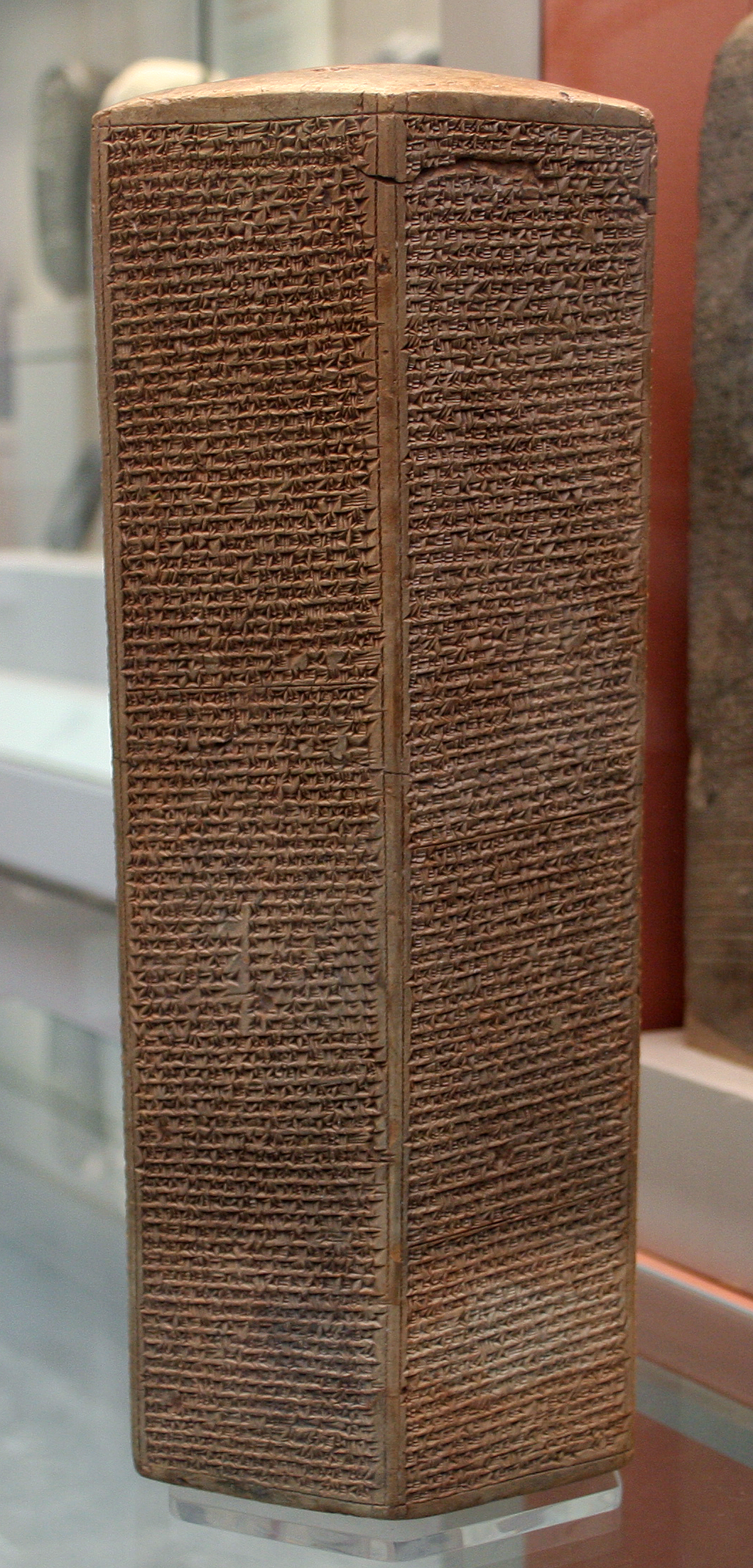
Sennacherib, king of Assyria, recorded his military campaigns on six-sided clay
prisms (the Taylor Prism in the British Museum, the Oriental Institute Prism in Chicago, and the
Jerusalem Prism in the Israel Museum). His account of the third campaign, 701 BC,
describes invading Judah, taking 46 fortified towns, and shutting up King Hezekiah in
Jerusalem “like a bird in a cage.”
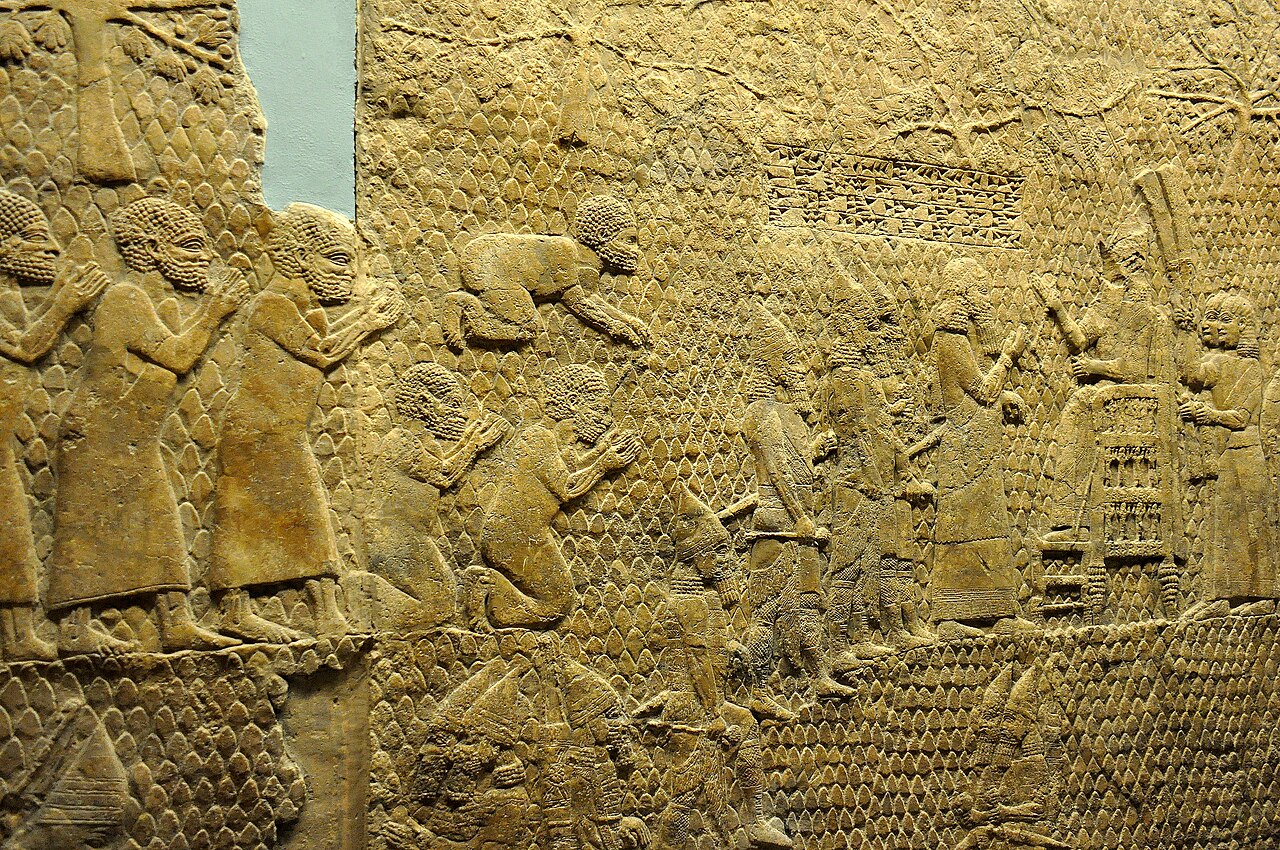
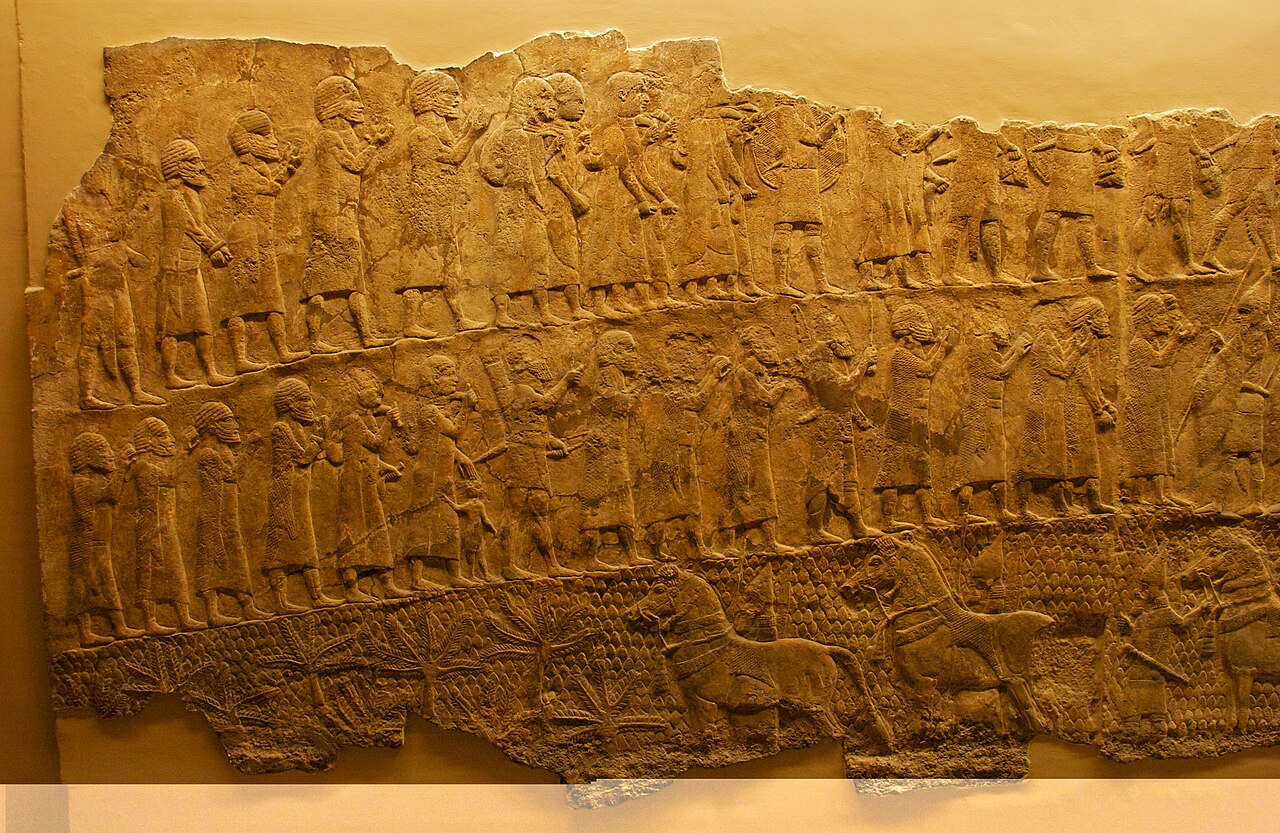
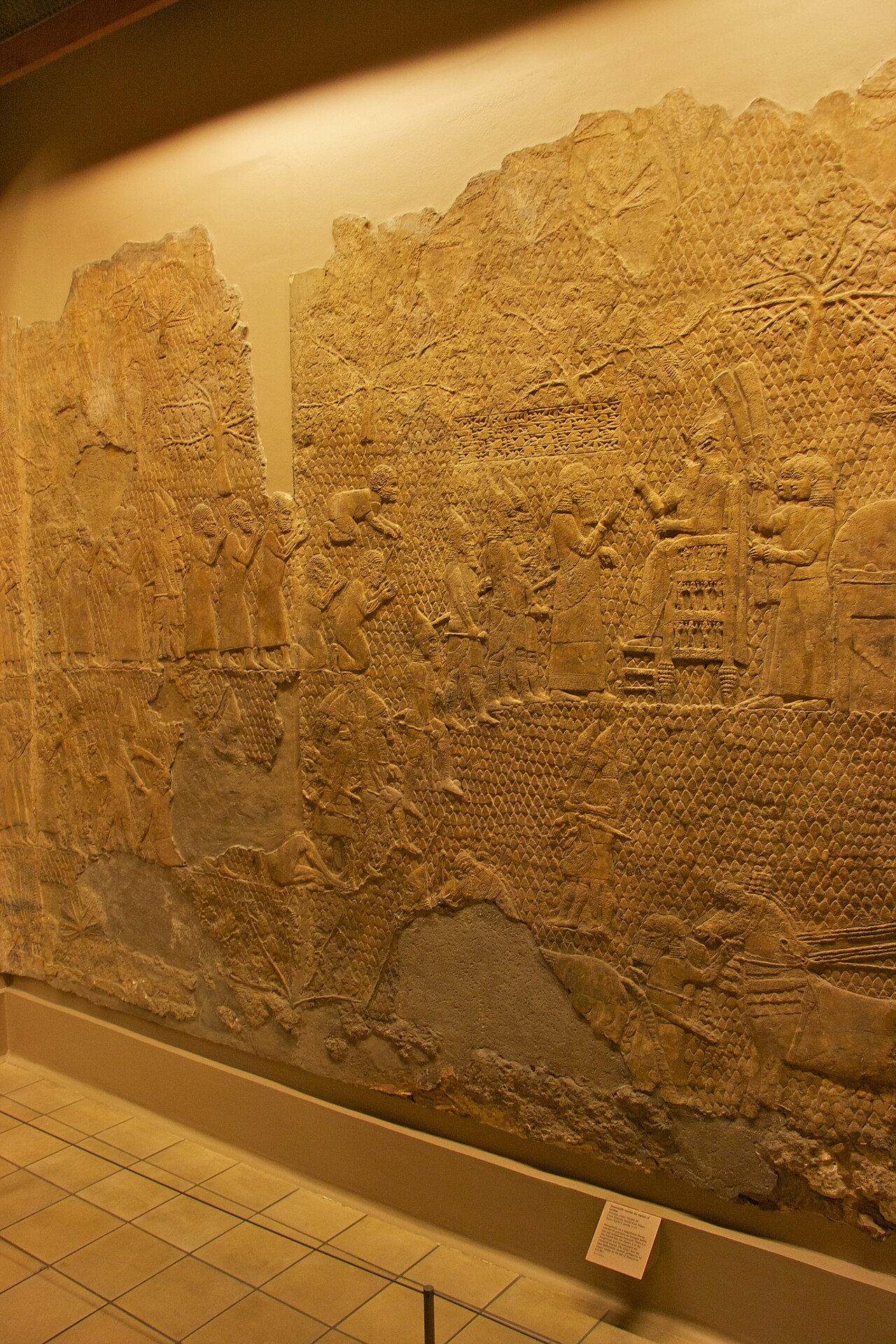
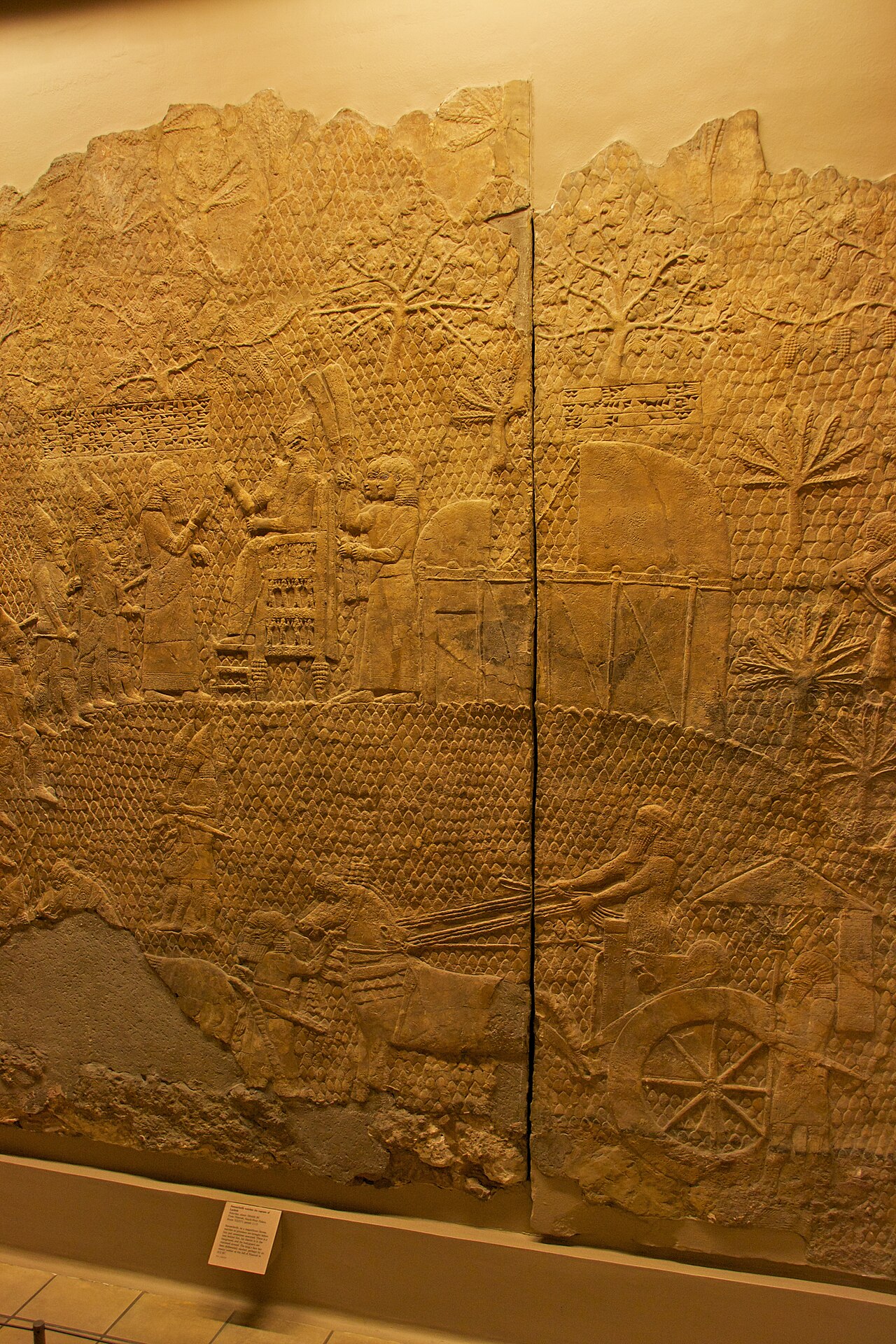
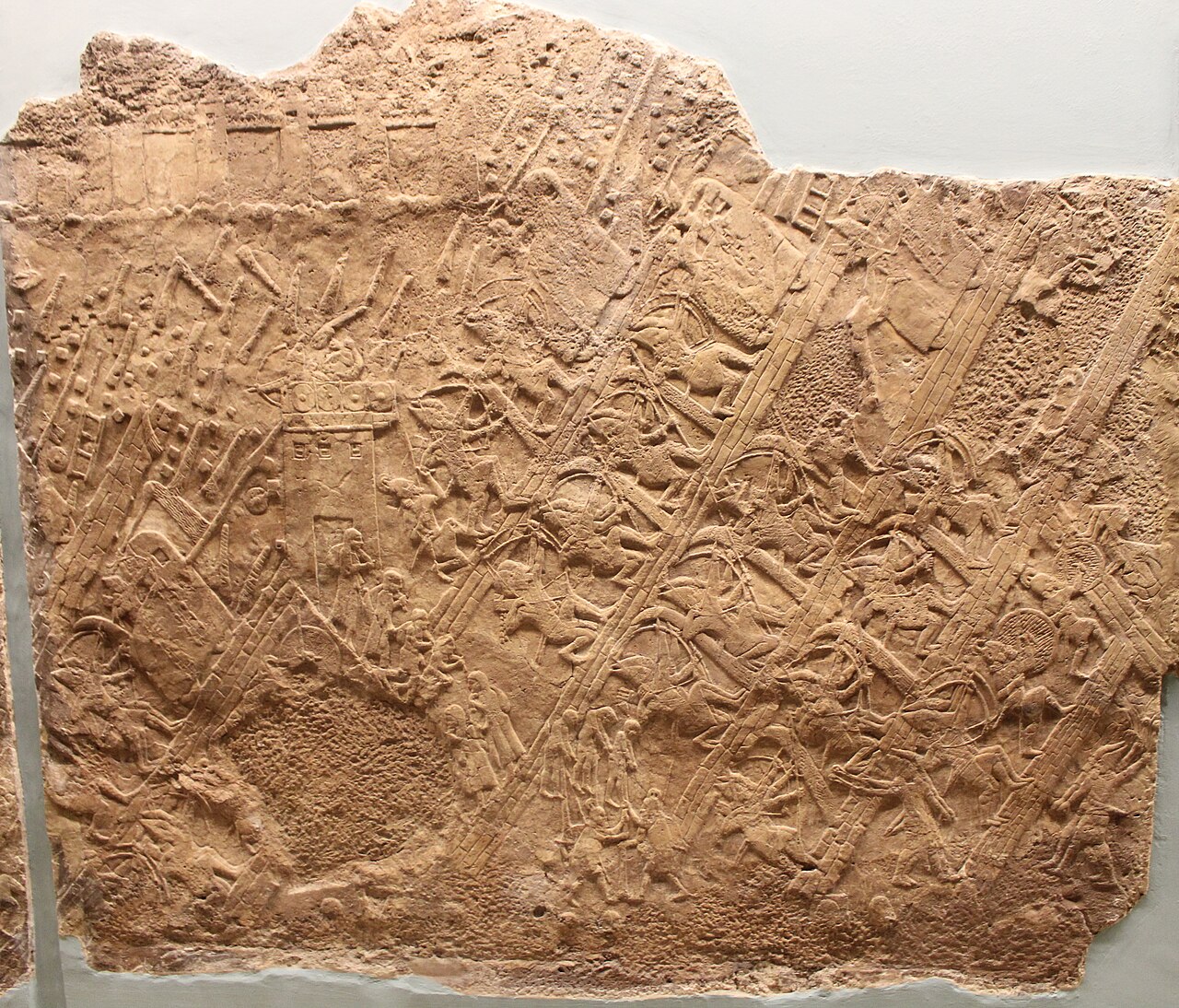
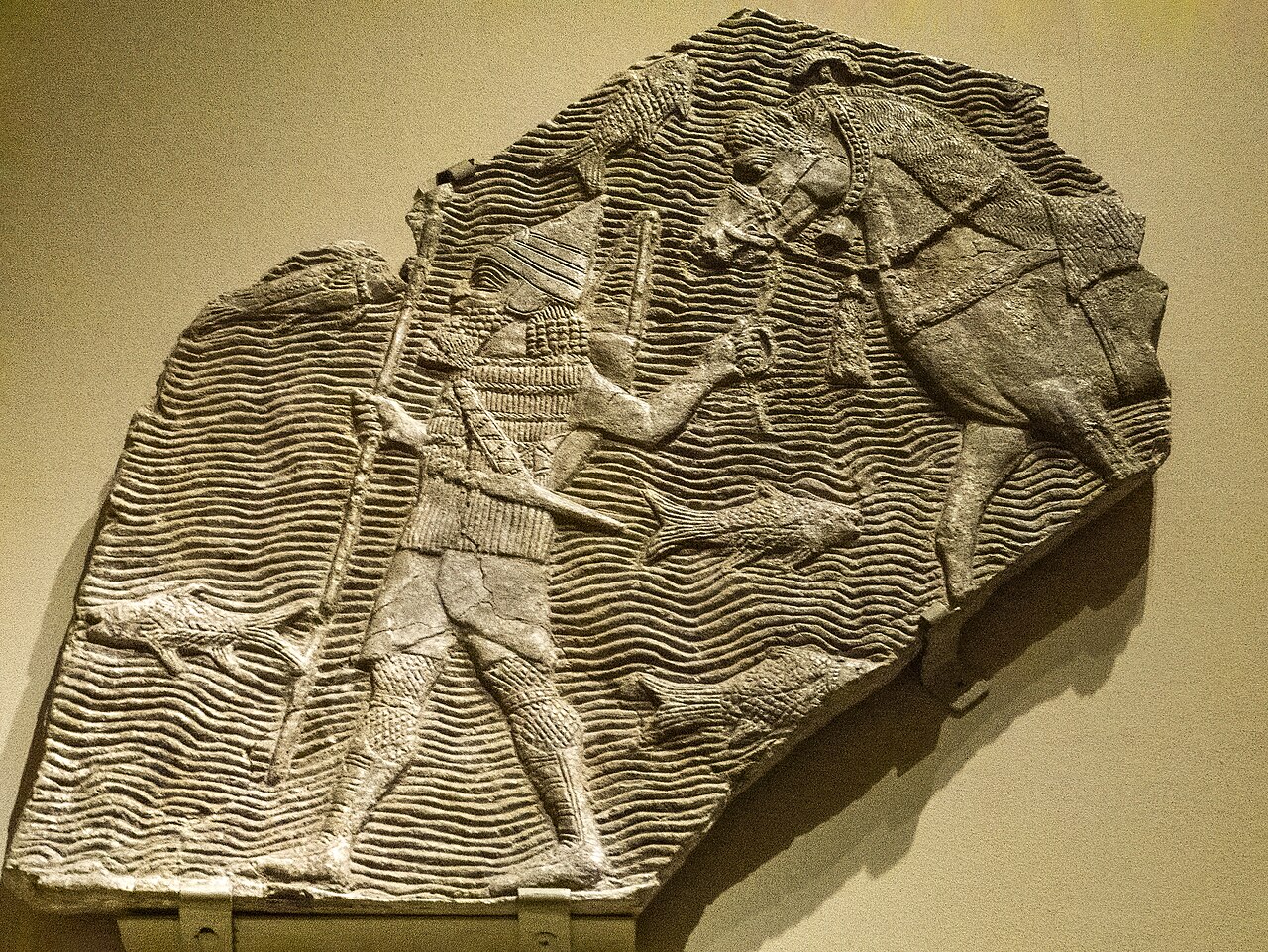
He also lined the walls of his palace at Nineveh with carved stone reliefs of the siege of
Lachish — Judah's second city — the only battle Assyria ever chose to immortalise in such
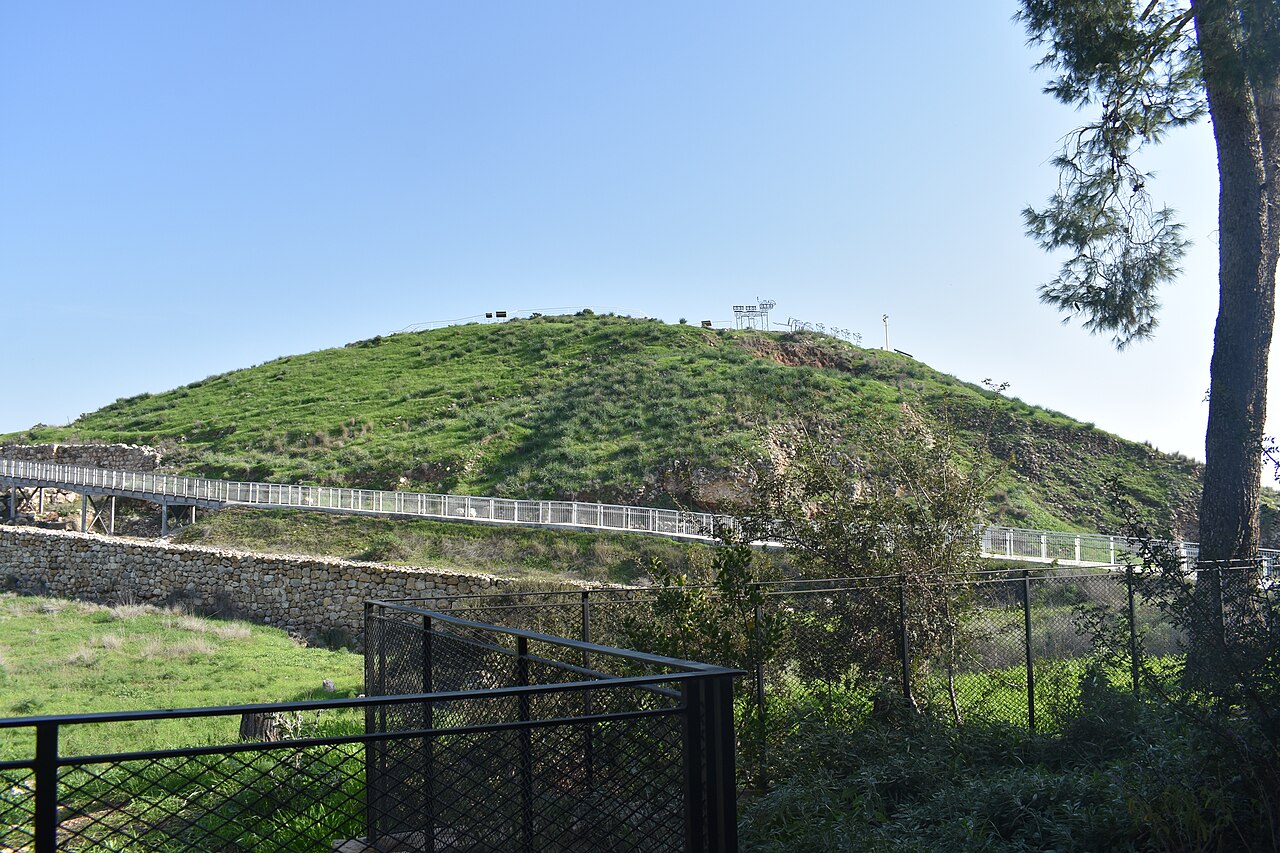
detail. Excavation of Tel Lachish has since uncovered the very Assyrian siege ramp and
the burnt destruction layer the reliefs depict.
How it confirms the Bible
Three independent witnesses — the Bible, Sennacherib's prisms, and the spade at
Tel Lachish — agree on the same event. The prisms confirm the invasion, the fall of the Judahite
cities, and Hezekiah's heavy tribute, exactly as 2 Kings 18:13–16 reports.
But the most striking confirmation is what Sennacherib does not say. Assyrian
kings recorded every conquest in triumphant detail — yet Sennacherib never claims to have
captured Jerusalem. He only says he trapped Hezekiah inside it. That silence matches the Bible
precisely: 2 Kings 19 says the city was spared, the siege lifted, and Sennacherib withdrew.
The two accounts agree on everything, and diverge only where each would be expected to — the Bible
crediting the deliverance to God, the Assyrian simply falling silent about the prize he failed to take.
Read honestly: the prisms are royal propaganda — Sennacherib inflates his
success and omits his failure, as ancient kings did. That is exactly why the omission is so telling: a
boastful monarch who took Jerusalem would have said so. The archaeology confirms the campaign and the fall of
Lachish; it does not, and cannot, adjudicate the cause of Jerusalem's deliverance.
The evidence in pictures
Every image links to the full-size original — click any photo to open it.
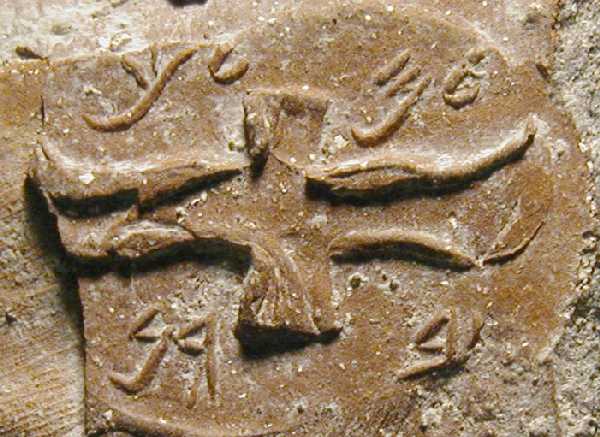
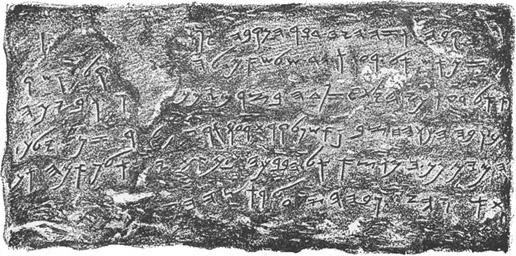
The Taylor Prism (British Museum) — Sennacherib's annals, including the siege of Hezekiah.Sennacherib enthroned before conquered Lachish (palace relief).The Lachish reliefs from Nineveh, now in the British Museum.Assyrian archers and slingers assaulting Lachish (detail).Judahite captives led away from Lachish (detail).The Assyrian siege ramp against the city wall, as carved.The actual Assyrian siege ramp still visible at Tel Lachish today.Assyrian cavalry from the Lachish relief series.An LMLK (“belonging to the king”) storage-jar stamp — Hezekiah's war provisioning.The Siloam Inscription — Hezekiah's tunnel, cut to secure water against this very siege (2 Chron 32:30).
Hosted on GodExamined.com as a plain-language summary of published archaeology,
with links to the authoritative sources above for independent verification. Each claim is stated at the
strength the evidence supports — no more.