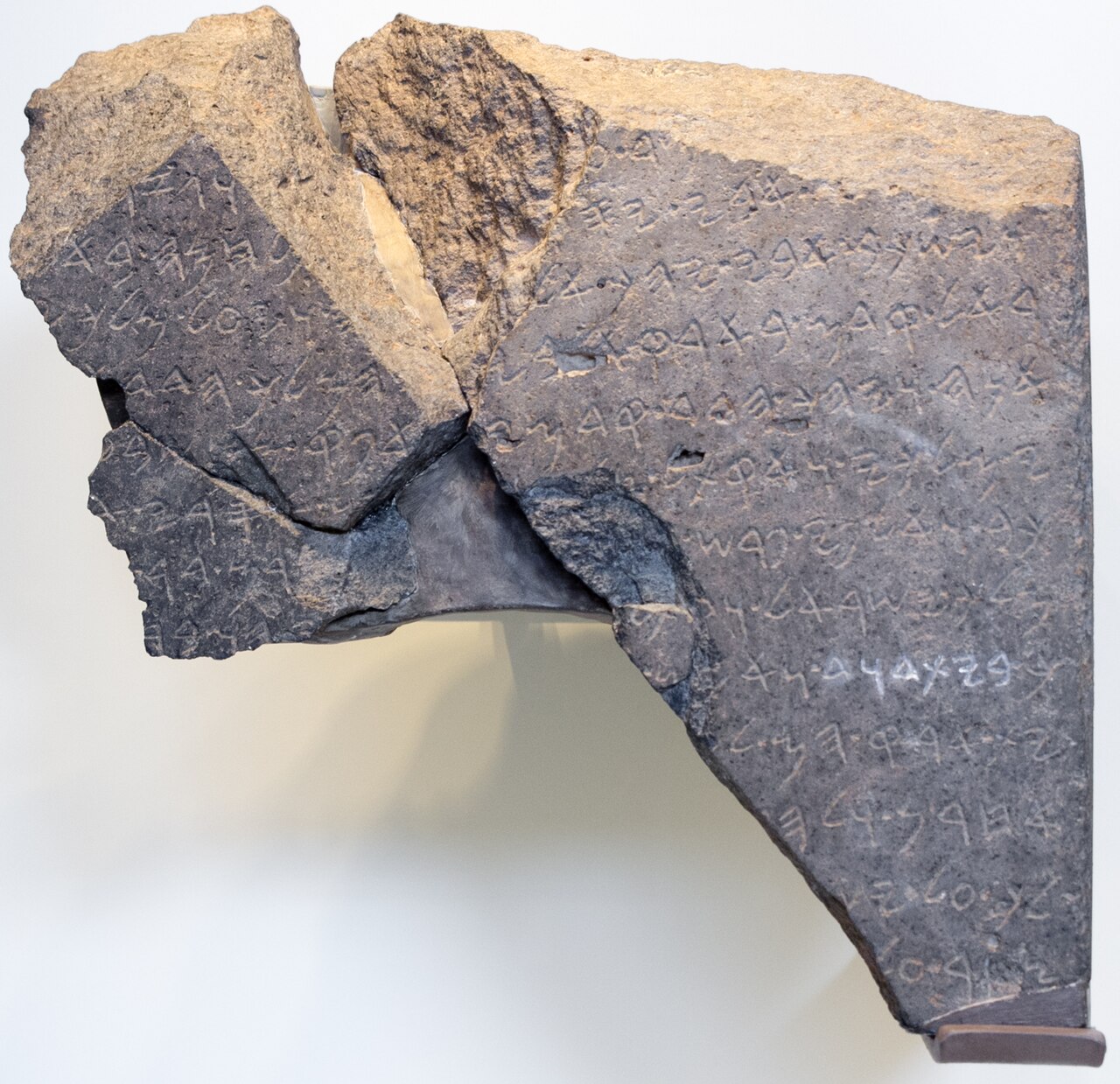
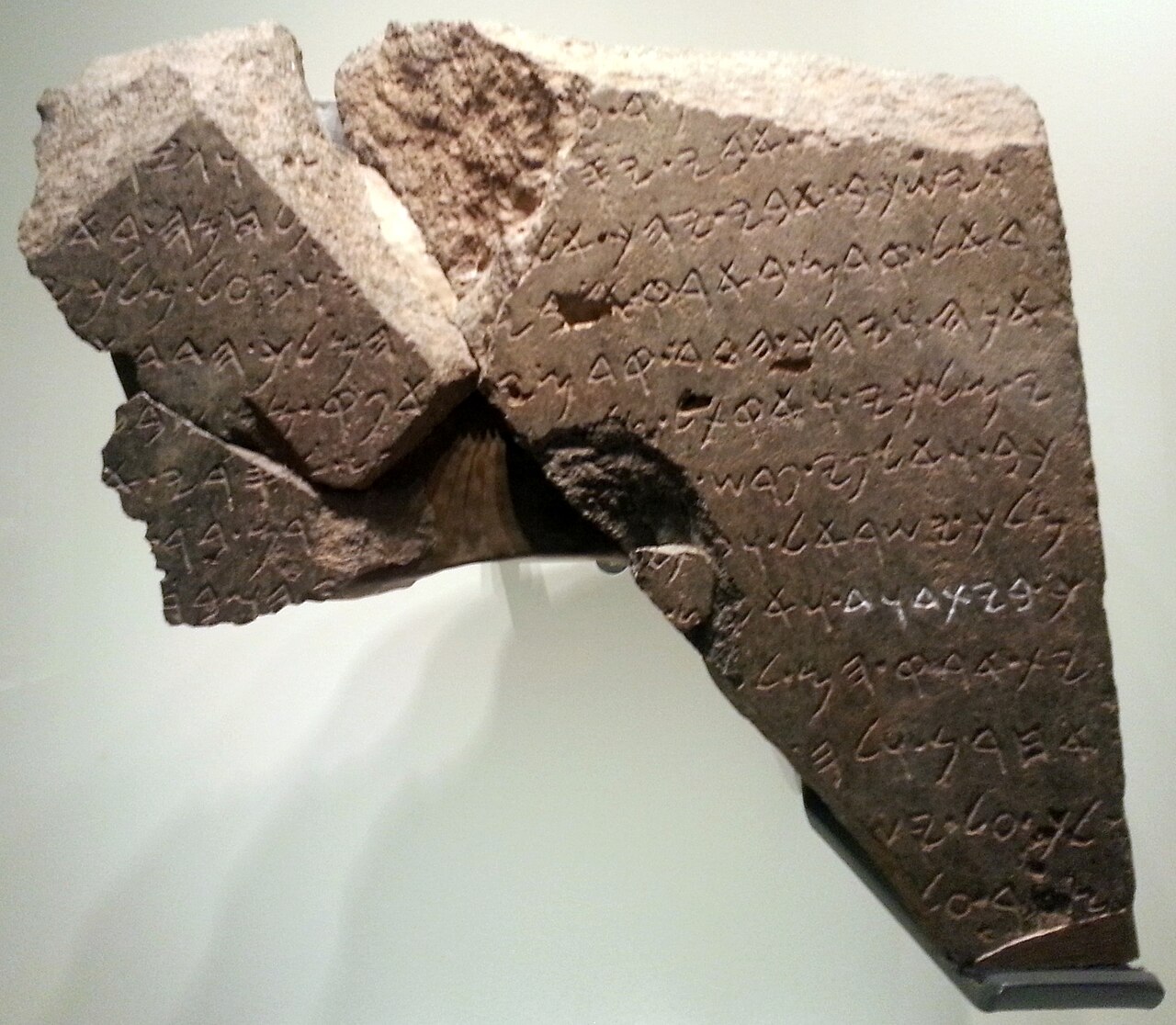
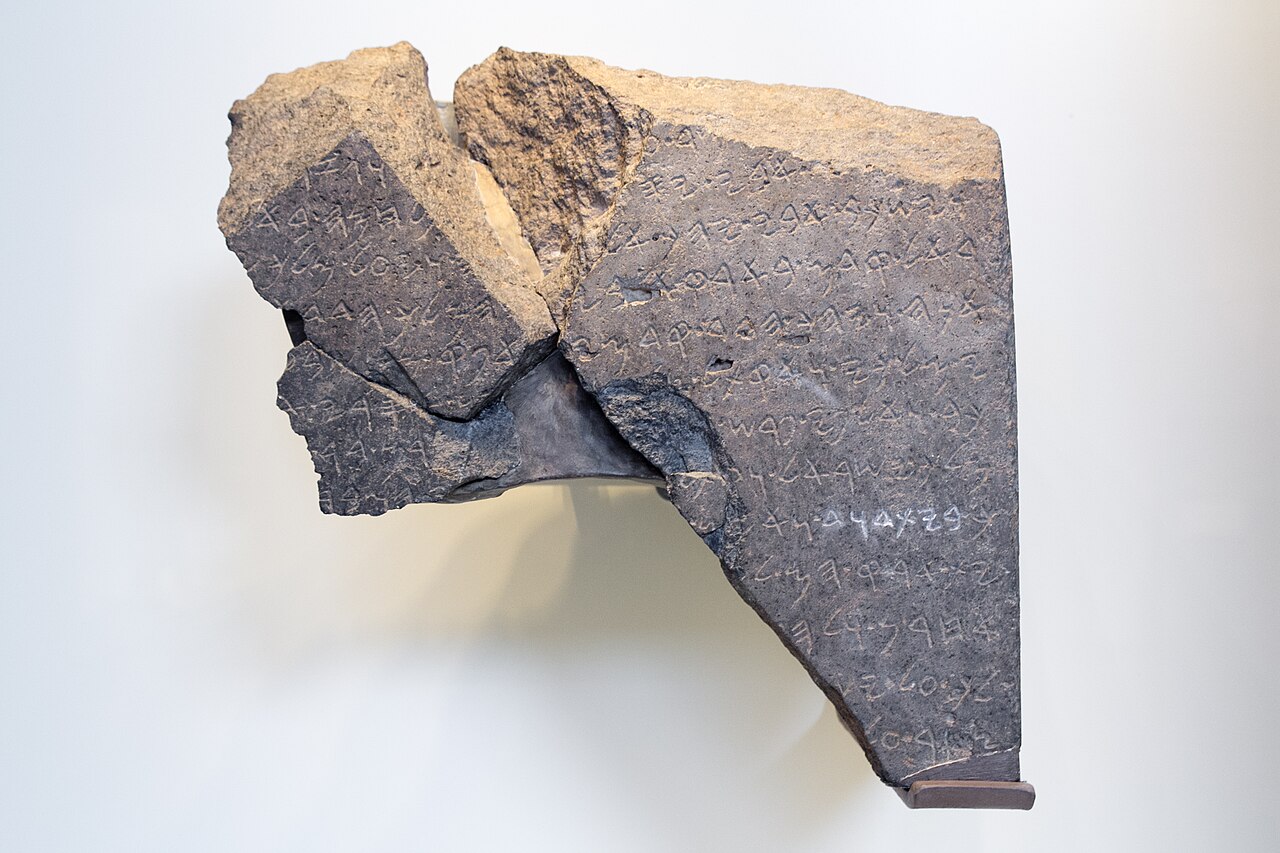
A hostile Aramean king carved the name of David's dynasty in stone — the first mention of the House of David outside the Bible.
Confirms · King David & his dynasty — 2 Samuel; 1–2 Kings; 1–2 Chronicles
~840 BC
date carved (basalt)
1993–94
discovered, Tel Dan
“BYTDWD”
House of David, in Aramaic
Israel Museum
Jerusalem
What it is
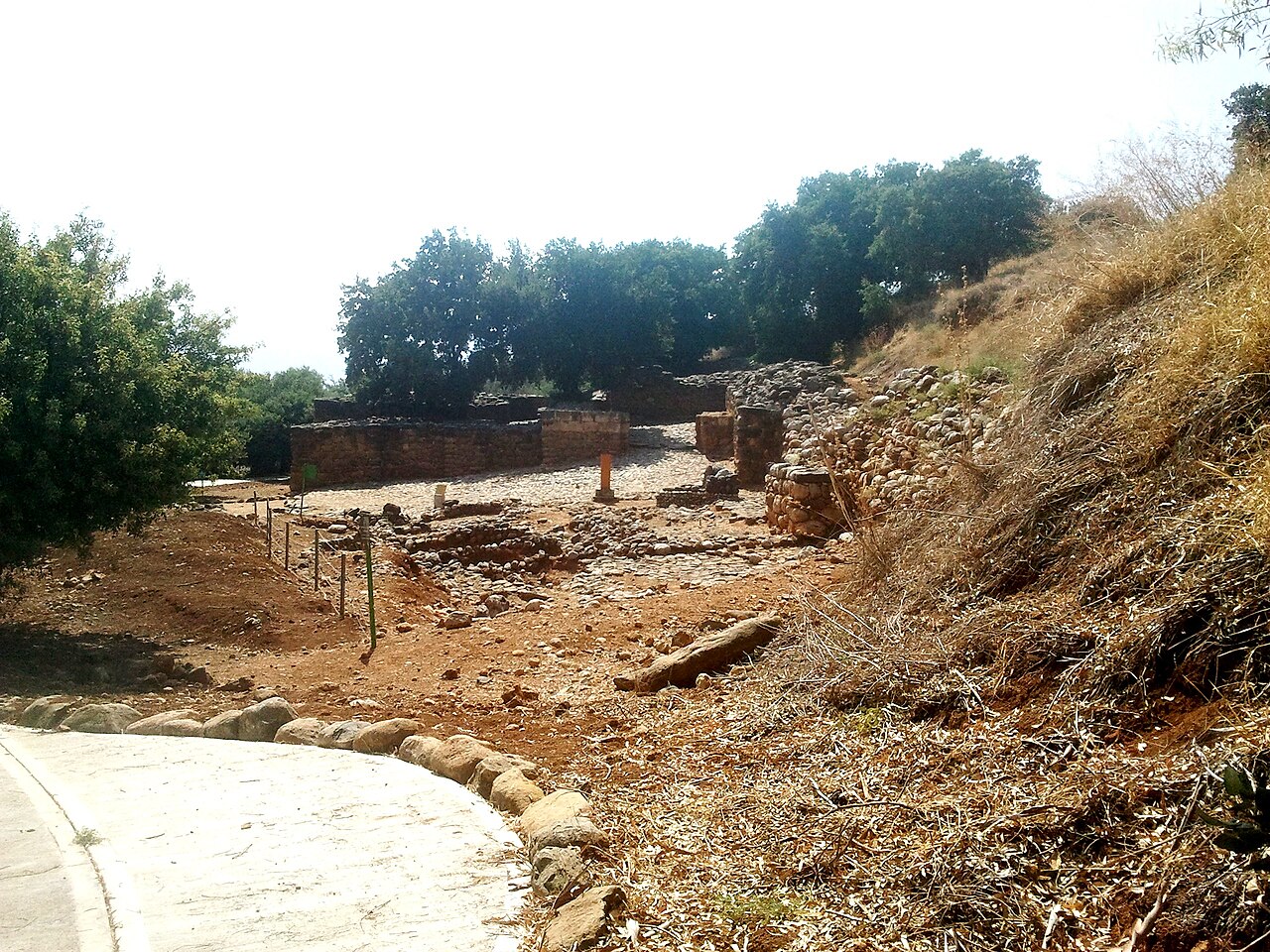
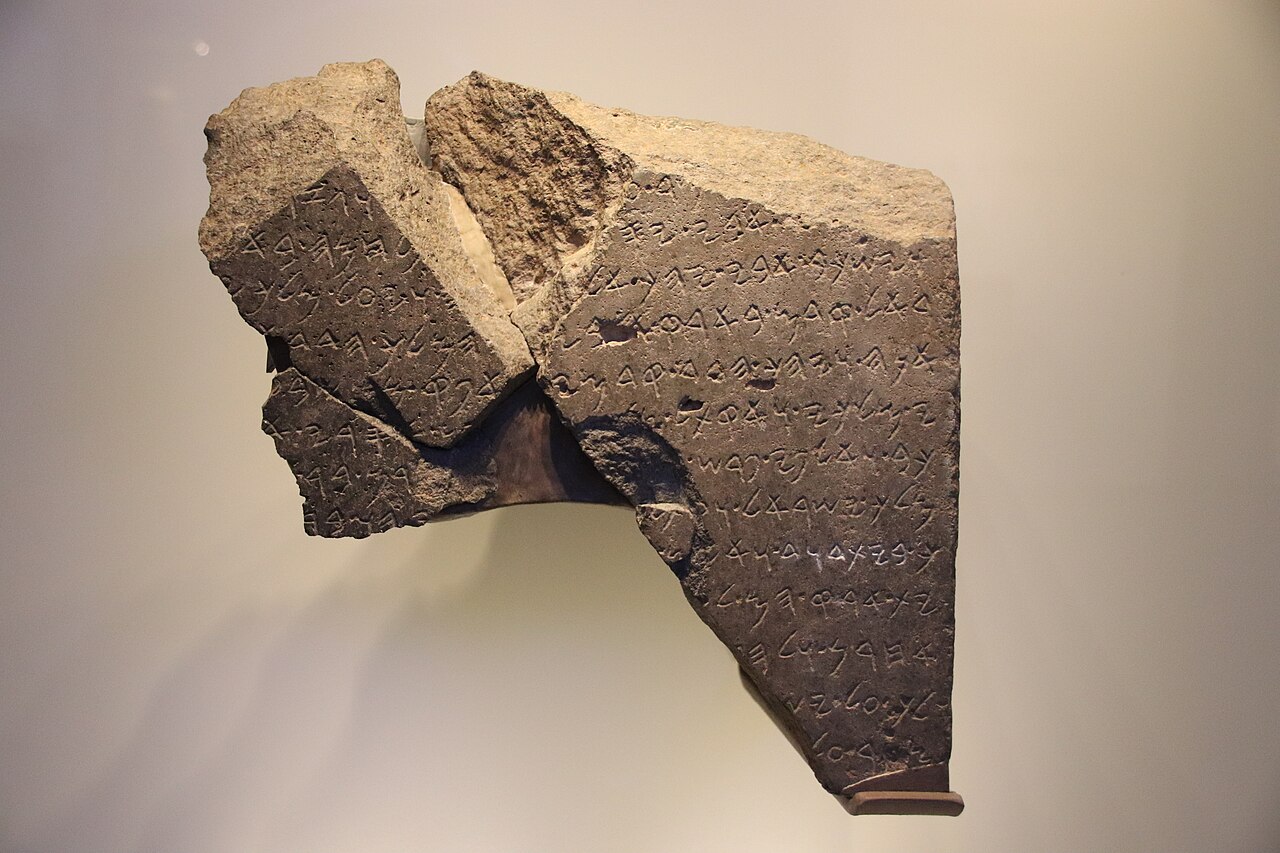
In 1993 and 1994, Avraham Biran's excavation at Tel Dan in far-northern Israel
uncovered three fragments of a black basalt victory stele — a monument raised by a king
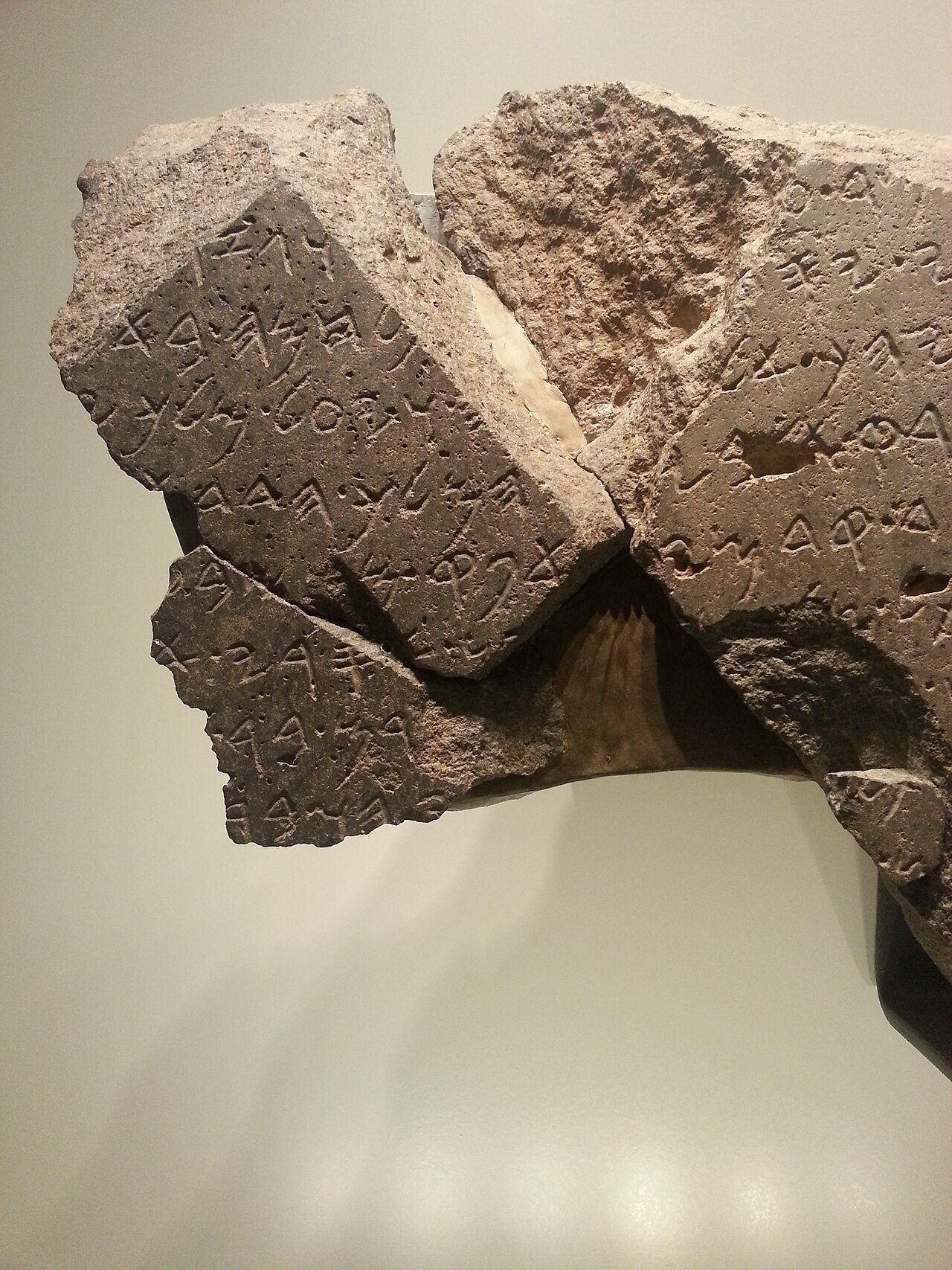
to boast of a battle won. The Aramaic inscription, dated to about 840 BC, was written by an
enemy of Israel — most scholars identify him as Hazael of Damascus
— who claims to have killed a king of Israel and a king of the “House of David.”
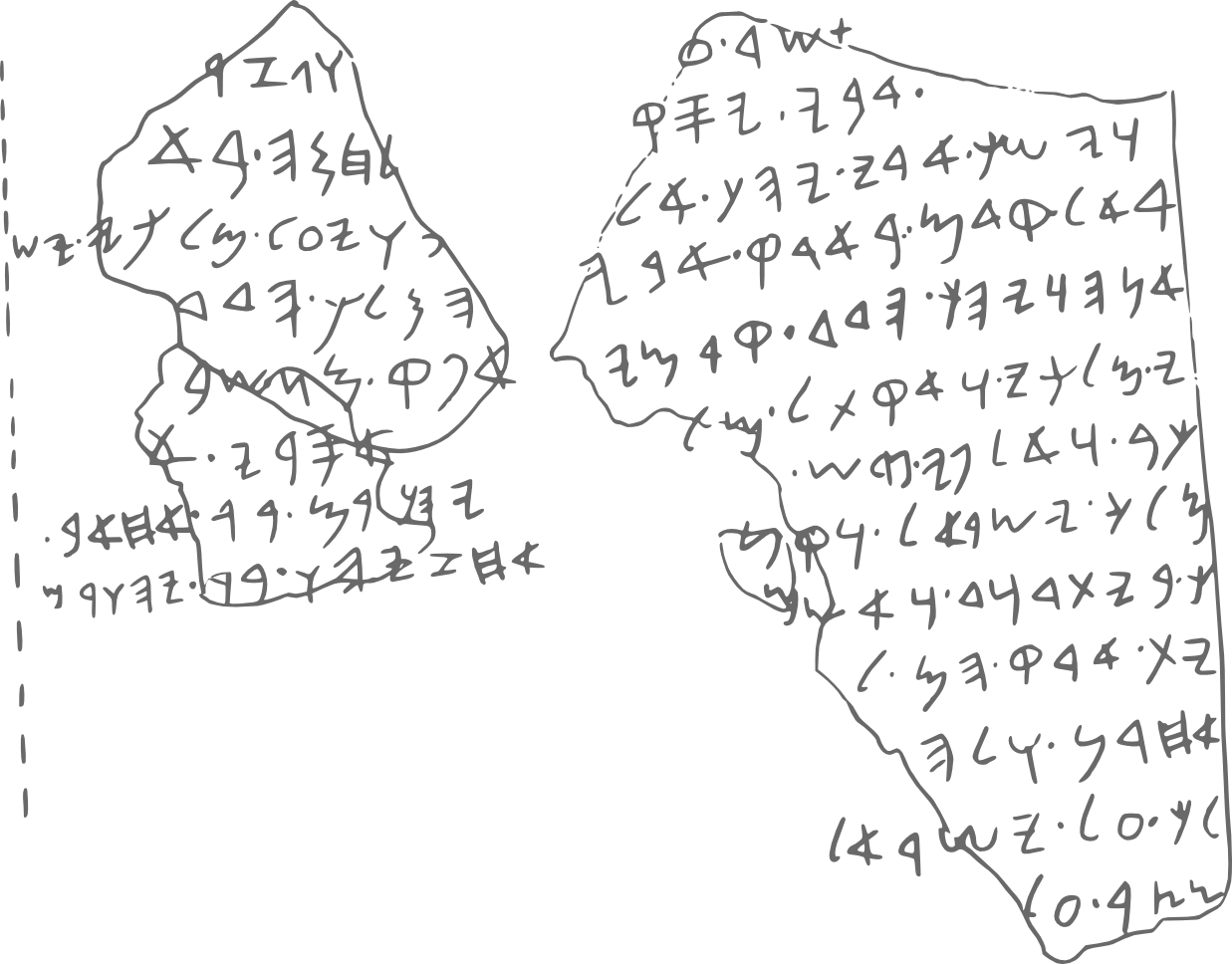
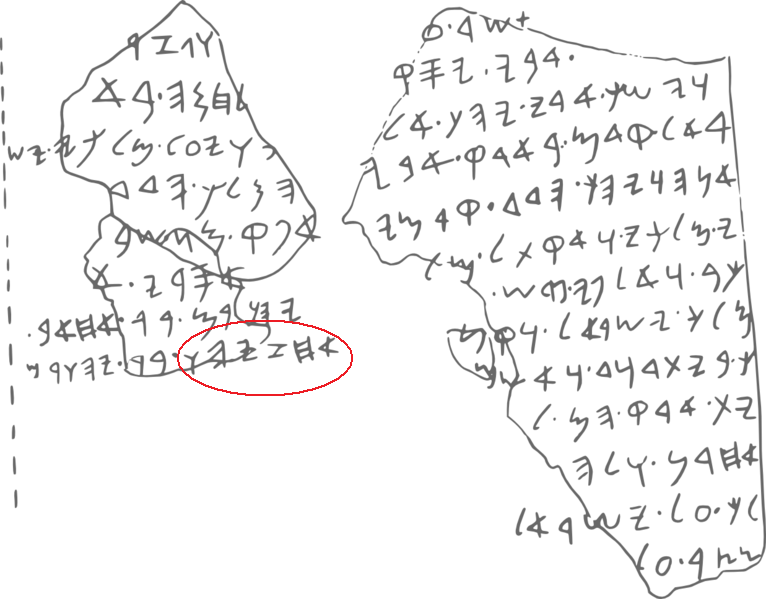
The decisive phrase is “BYTDWD” (ביתדוד)
— bêt dāwīd, “House of David.” It is the earliest reference to David or his
dynasty found anywhere outside the pages of Scripture.
How it confirms the Bible
Before 1993, a school of “minimalist” scholars argued that King David was a
legend — a figure invented centuries later, with no more historical reality than King Arthur. The
Tel Dan Stele broke that argument. An enemy king, roughly 150 years after David lived,
treats “the House of David” as the ordinary, well-known name of the ruling dynasty of Judah —
exactly as the Bible describes it (2 Samuel 7; 1 Kings 12:19).
This is hostile attestation, the strongest kind: the confirmation comes not from Israel's
own scribes but from the monument of a man who was trying to destroy the dynasty he names. David's
line is now fixed Iron-Age history, not folklore.
Read honestly: a few scholars once questioned whether the letters should be divided
as “House of David” at all. The overwhelming consensus — supported by the
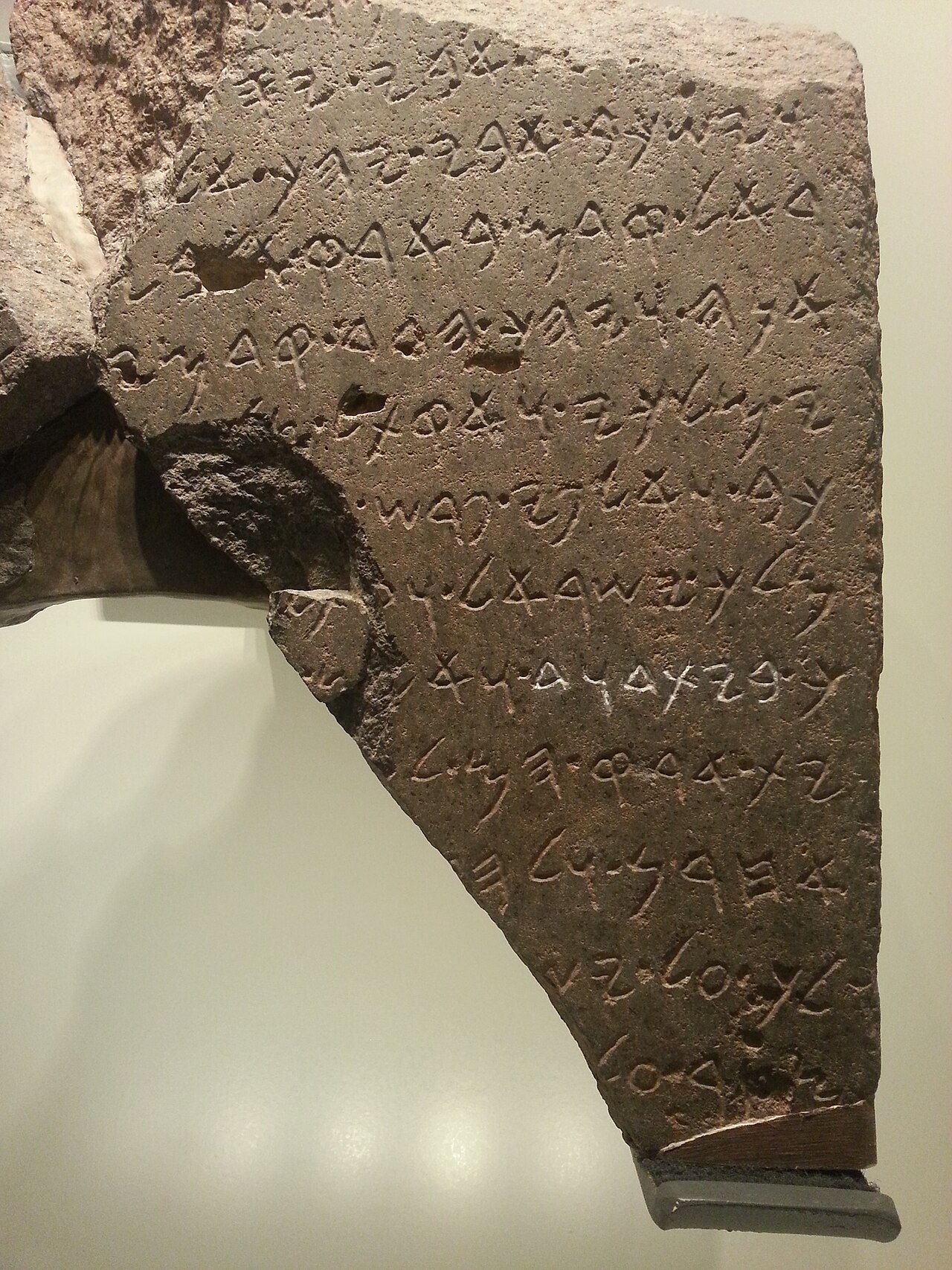
word-divider dots on the stone and by the identical phrase (“House of David”) on the
Moabite Mesha Stele read the same way — is that BYTDWD names David's dynasty. The stele
attests David's dynasty; it is not a portrait of David the man.
The evidence in pictures
Every image links to the full-size original — click any photo to open it.
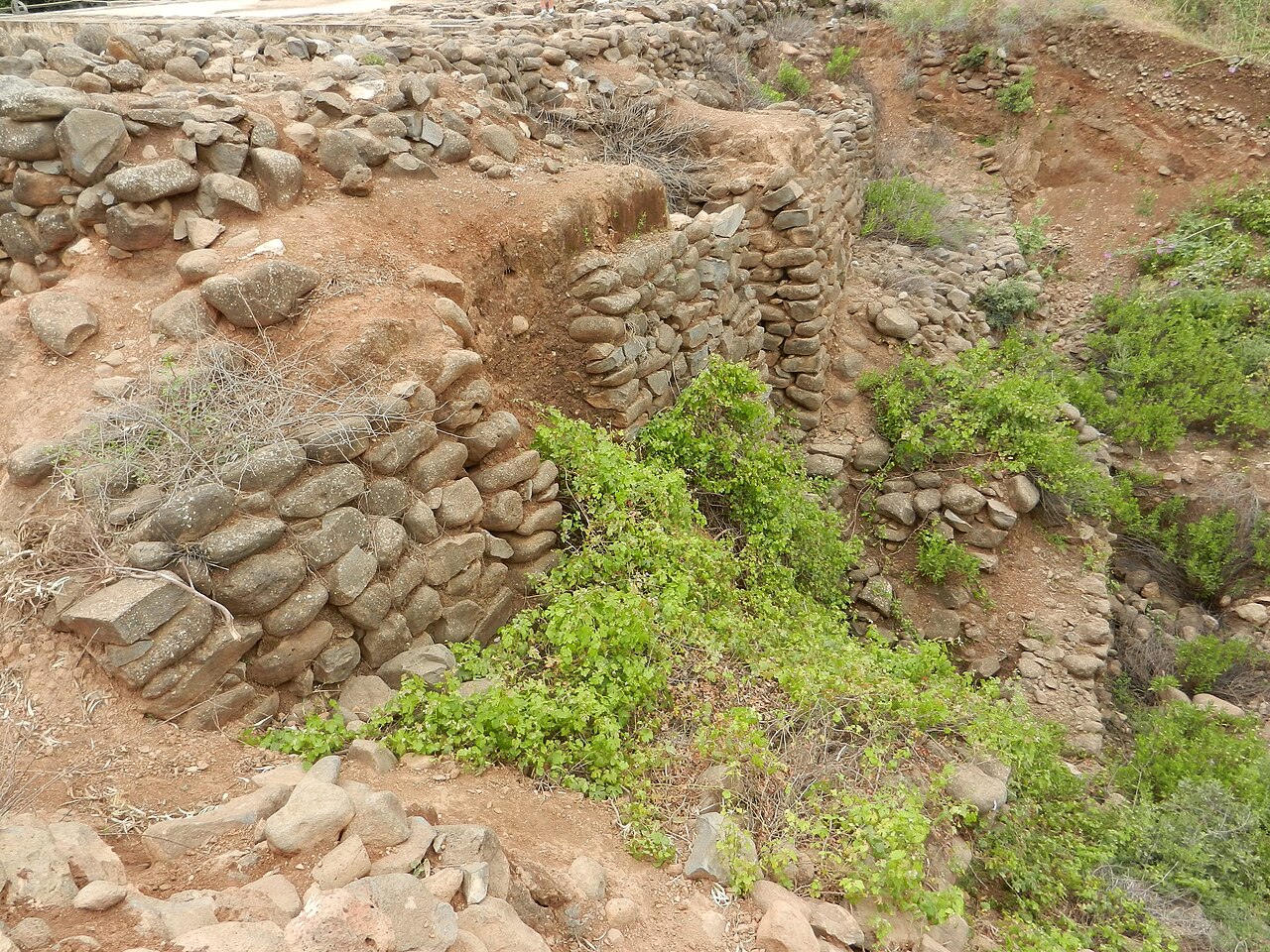
The reassembled Tel Dan Stele (Israel Museum, Jerusalem).Close-up of the incised Aramaic script.Epigraphic line-drawing; the letters BYTDWD — “House of David” — are the key phrase.The Iron-Age gate complex at Tel Dan, near where fragment A was found.The massive earthen ramparts of ancient Dan.The Tel Dan Stele and the ancient site of Dan (further views).The Tel Dan Stele and the ancient site of Dan (further views).The Tel Dan Stele and the ancient site of Dan (further views).The Tel Dan Stele and the ancient site of Dan (further views).The Tel Dan Stele and the ancient site of Dan (further views).
Image credits. All images are used from freely-licensed (public-domain / Creative-Commons) sources, chiefly Wikimedia Commons. 01_teldan_stele.jpg — Wikimedia Commons (freely licensed) · 02_teldan_closeup.jpg — Wikimedia Commons (freely licensed) · 03_teldan_linedrawing.png — Wikimedia Commons (freely licensed) · 04_teldan_gate.jpg — Wikimedia Commons (freely licensed) · 05_teldan_rampart.jpg — Wikimedia Commons (freely licensed) · 06_AHZYHU_Ochozias_Tel_dan_inscription_png.png — Jan3sobieski · CC BY-SA 3.0 · Wikimedia Commons · 07_Aramaic_Inscription_on_Basalt_Monument_Dan_9th_C.jpg — Gary Todd from Xinzheng, China · CC0 · Wikimedia Commons · 08_IMJ_view_20130115_191718_jpg.jpg — יעל י · CC BY-SA 3.0 · Wikimedia Commons · 09_IMJ_view_20130115_191738_jpg.jpg — יעל י · CC BY-SA 3.0 · Wikimedia Commons · 10_JRSLM_300116_Tel_Dan_Stele_02_jpg.jpg — Oren Rozen · CC BY-SA 4.0 · Wikimedia Commons
Hosted on GodExamined.com as a plain-language summary of published archaeology,
with links to the authoritative sources above for independent verification. Each claim is stated at the
strength the evidence supports — no more.