 GOD EXAMINEDBible← Back to The Proof
The honest conclusion of this entire investigation is that three things are true at once, and almost every argument about Noah’s flood goes wrong by collapsing them into one. First, the memory is real: at least a dozen cultures — Sumerian, Babylonian, Hebrew, Greek, Hindu, Chinese, Norse, Aztec and more — preserve a story of a world-destroying flood, and that worldwide echo is a genuine, fascinating datum about shared human experience. Second, enormous real floods are written into the Earth’s crust: Ice-Age megafloods like Lake Missoula moved water at seventeen million cubic metres a second, the Mediterranean refilled through Gibraltar in months, and the melting ice sheets raised the sea about 120 metres, drowning inhabited lands like Doggerland and the Persian Gulf within human memory. Third, and just as firmly, the layered, fossil-bearing rock was not laid down by a single year-long global flood: salt deposits, in-place coral reefs, thousands of stacked fossil soils, a quarter-million counted annual layers, tilted-then-reburied unconformities, the fixed worldwide order of fossils, and four independent dating clocks all point to an Earth about 4.54 billion years old on which dinosaurs ruled for 230 million years. Put the three together and the truth is this: the flood traditions are best read as a real but layered memory — the universal human experience of destructive water, one Near-Eastern family of stories that genuinely spread, and at least one case (Aboriginal Australia) where a true flood was remembered for seven thousand years — not as proof of one planet-covering deluge that built the strata. And this verdict does not touch the Christian faith itself: the Mesopotamian texts simply predate Genesis as written documents (a plain dating fact), Genesis reshapes the shared tradition around a morally serious, covenant-making God, and most Christian scholars today hold their faith comfortably alongside an ancient Earth. The data and the biblical text fit — so long as neither is forced to prove more than it can.
The same conclusion, made concrete — ten findings, each with an example:
Two data charts built directly from the datings in this document. They scale crisply at any zoom and print cleanly.
At least a dozen unrelated cultures preserve a story of a world-ending flood. This document asks three linked questions and keeps them rigorously separate. First, what are the flood stories, when were they composed, and how early is the oldest surviving physical copy of each (its paleographic / archaeological date)? Second, what real, catastrophic floods are actually recorded in the sediments and landforms of the Earth — the Missoula megafloods, the Zanclean refilling of the Mediterranean, the post-glacial drowning of the continental shelves — and exactly how did they happen? Third, what does the wider rock record — the layered strata, the fossil succession, the mass extinctions, the age of the dinosaurs — actually show about the deep history of the planet, examined on its own scientific terms?
The honest conclusion, stated up front: the convergence of flood legends is real and genuinely striking, and the Earth’s crust really does carry the scars of enormous, sudden floods. But those two facts are best explained by witnessed regional catastrophes plus cultural transmission — not by a single year-long global deluge that laid down the entire fossil-bearing column, a claim the stratigraphy contradicts on multiple independent counts. Every claim below carries a grade so you can see exactly how strong it is. Established Consensus Debated Model Speculative YEC claim — not supported
Read this and you have the whole document. Twelve cultures remember a world-destroying flood; the Earth’s crust really does carry the scars of gigantic floods; and the deep-time fossil record is secured by independent clocks. Those three truths only fit together when each is graded honestly. For each finding below you get three lenses — the skeptic’s challenge, the Christian reading, and the scientific conclusion — followed by my honest verdict of what is actually true, with a grade badge. Where Christians genuinely disagree among themselves (young-earth vs. old-earth), that is said plainly rather than smoothed over.
The one-paragraph bottom line. The world remembers a flood because floods are universal, because one Near-Eastern family of stories genuinely diffused, because at least one people truly kept the memory of rising seas for millennia, and because the Ice Age really did drown inhabited coasts. All of that is real and fascinating — Model-level evidence of a shared human memory of catastrophe, fully consistent with a God who acts in history. What the rocks do not show is a single year-long global flood that laid the fossil-bearing strata; that specific young-earth reading is contradicted by many independent lines of evidence, and most of the world’s Christian scholars hold the faith alongside an old earth. Read honestly, the data and the biblical text fit — so long as neither is forced to carry more than it can bear.
The whole argument as a single thread — each link flows into the next. Follow any link to its section.
At least twelve culture-areas preserve a story in which water once destroyed the world or its people. This section lays them side by side — not to flatten them into one tale, but to show precisely where they rhyme and where they diverge. The divergences matter as much as the echoes: a tradition that looks nothing like Noah (China's dredging engineer, the Norse flood of a giant’s blood) is strong evidence of independent origin, while a tradition recorded only by missionaries a few decades after contact (Hawaii’s “Nu‘u”) is weak evidence of anything but borrowing.
| Tradition | Hero / survivor | Vessel | Cause | Ending | Independence |
|---|---|---|---|---|---|
| Sumerian | Ziusudra | Great boat | Divine decree | Immortality in Dilmun | Core tradition |
| Babylonian (Atrahasis) | Atrahasis | Boat, pitched | Human noise | Population controls | Core tradition |
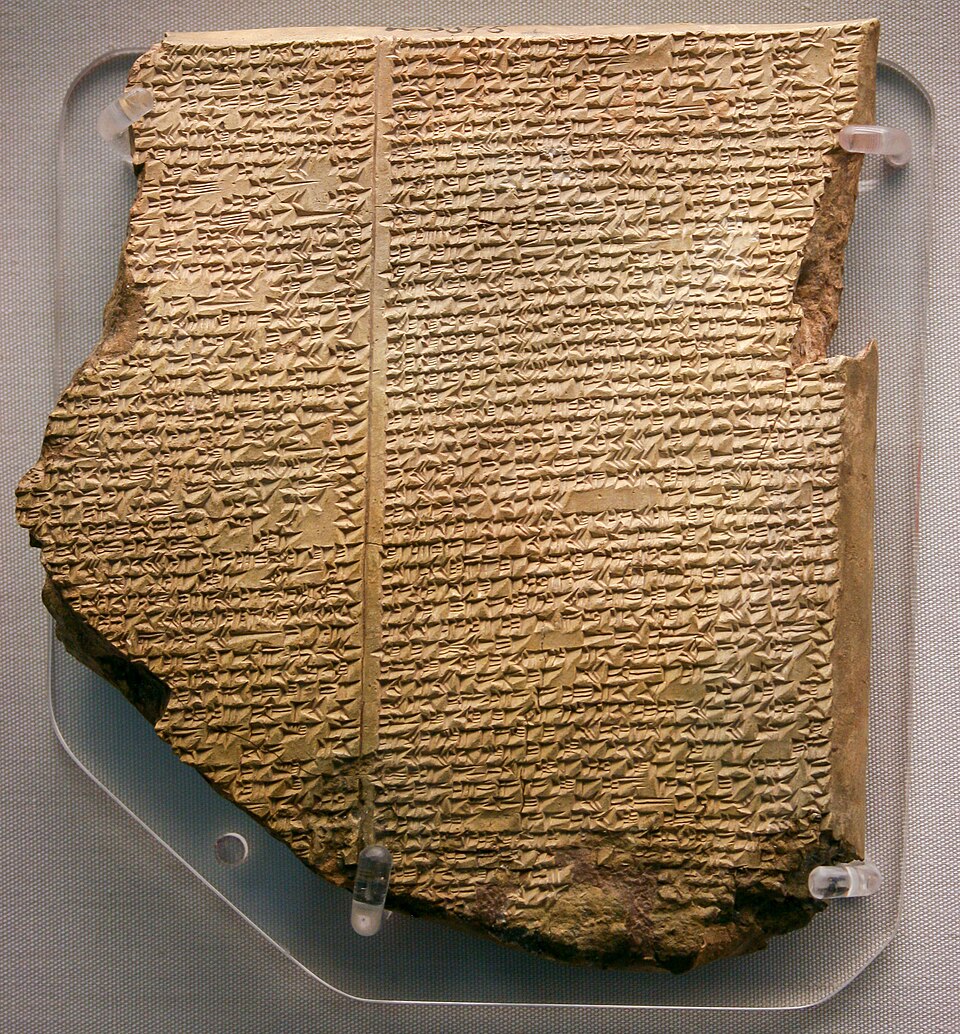
| Babylonian (Gilgamesh XI) | Utnapishtim | 120-cubit cube | Divine decree | Immortality; dove/raven | Core tradition |
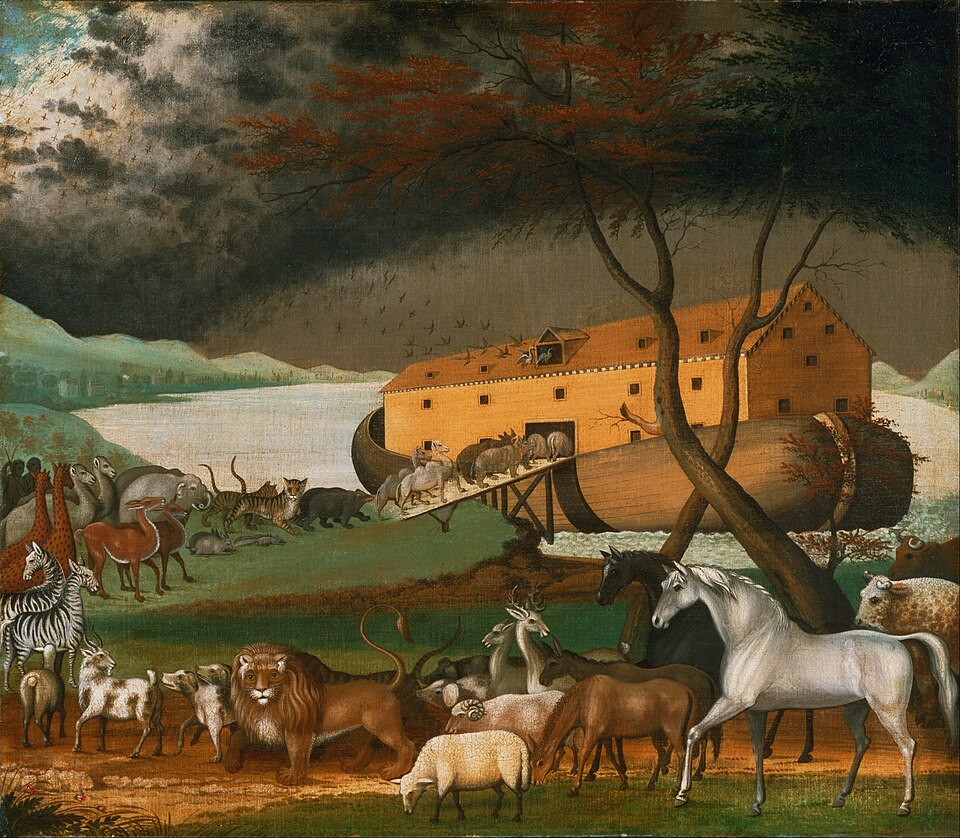
| Hebrew (Genesis) | Noah | 300×50×30 box | Human wickedness | Covenant + rainbow | Reshapes the core |
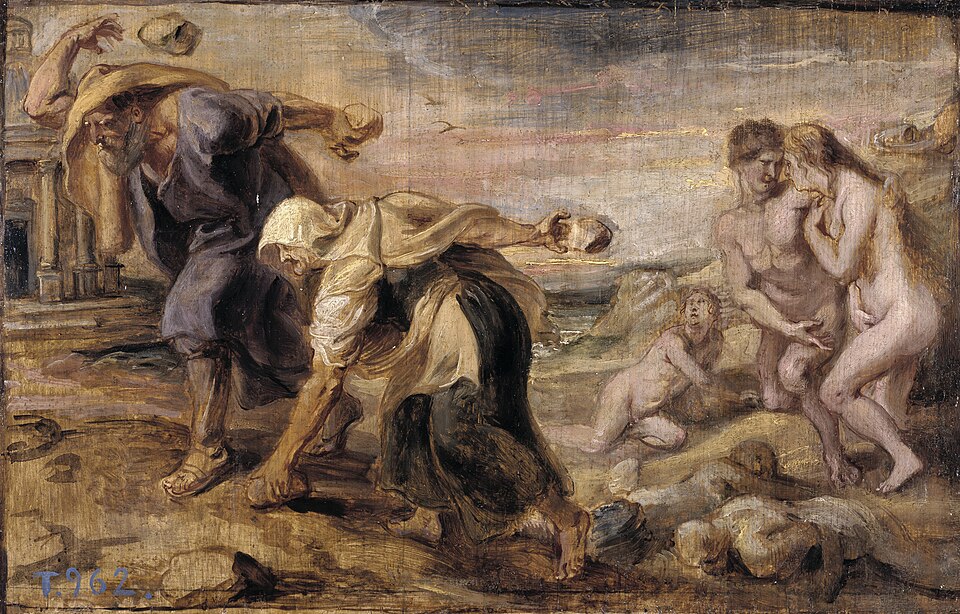
| Greek | Deucalion & Pyrrha | Chest (larnax) | Human impiety | People from stones | Debated |
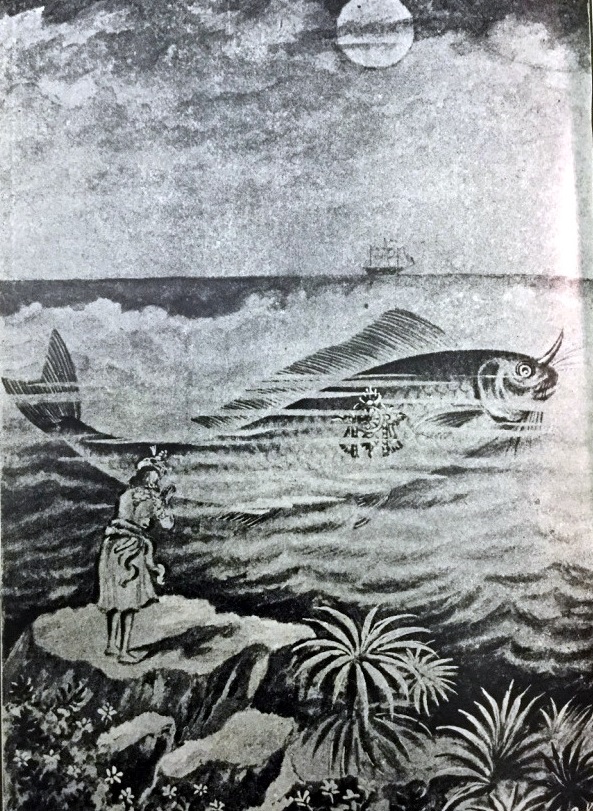
| Hindu | Manu | Boat towed by fish | Cyclical dissolution | Manu repopulates | Pre-Christian; indep./diffused |
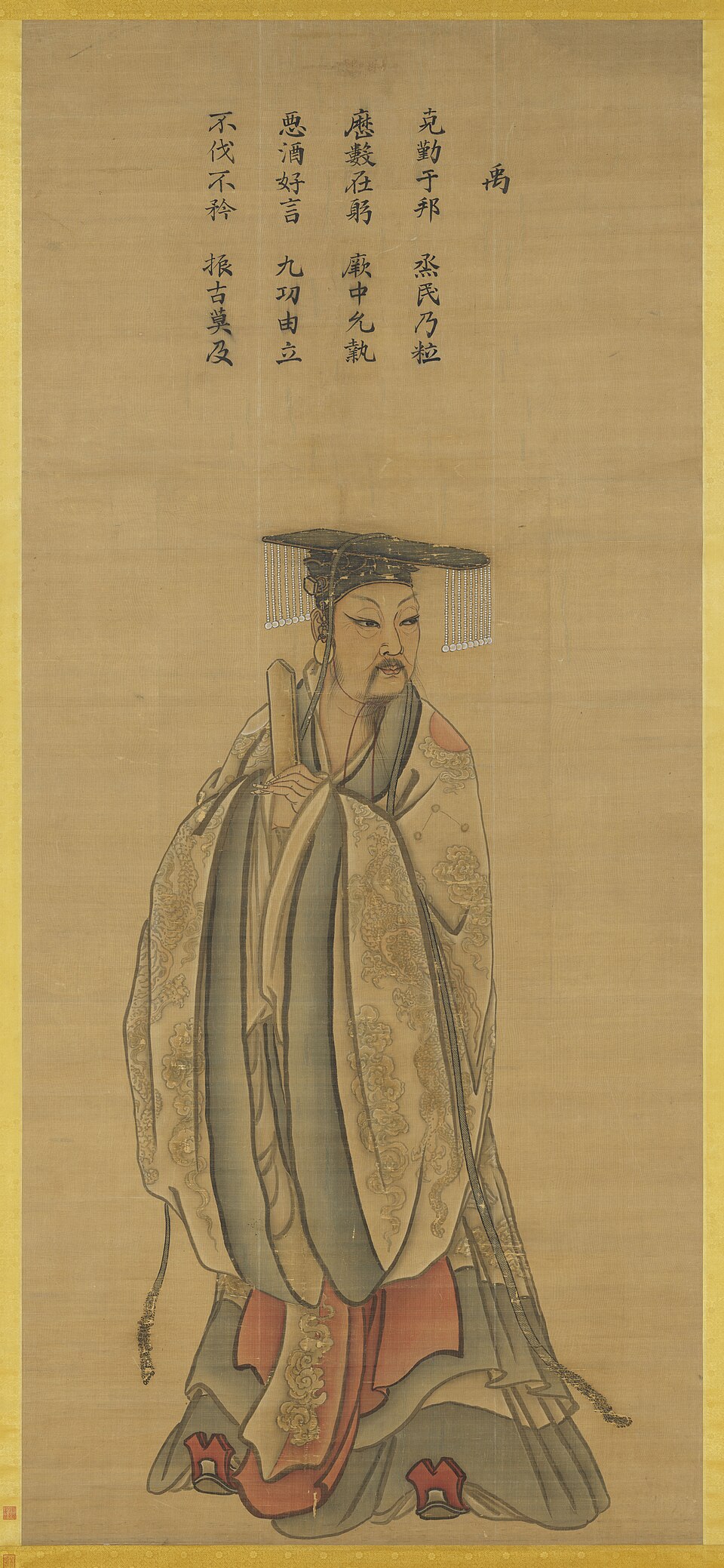
| Chinese | Yu the Great | None — dredging | (Flood to be tamed) | Founds Xia dynasty | Independent |
| Aztec | Tata & Nene | Hollow log | End of the Fourth Sun | Turned into dogs | Mixed / post-contact |
| N. American | Nanabozho | Log + diving animals | World-flood | Earth rebuilt on turtle | Independent (earth-diver) |
| Andean | Cañari brothers | Mountain that grows | Viracocha’s judgment | Macaw-brides, new people | Mixed / post-contact |
| Norse | Bergelmir | Hollow log / mill-chest | Ymir slain (blood-flood) | Giants re-descend | Independent |
| Hawaiian / Batak | Nu‘u / (Batak) | “Ark” / mountain | Divine / serpent shift | Lands on a peak | Nu‘u contaminated; Batak indep. |
In one breath: a dozen cultures tell of a destroying flood, but once you read them closely they fall into a Mesopotamian family (into which Genesis and perhaps Deucalion belong), a set of structurally different independents (China, the Norse, the earth-divers), one pre-Christian Indian cousin, and a thick layer of New-World and Pacific tales recorded too late, by the wrong hands, to count as independent witnesses.
The question “how old is the flood story?” has two completely different answers, and conflating them is the single commonest error in popular treatments. One is the date the story was composed; the other is the date of the oldest surviving physical copy — the tablet you can hold or the manuscript you can carbon-date. Paleography (dating by the style of the script) and archaeology date the artifact, not the composition. A story can be far older than its oldest copy (oral transmission), or a copy can be the only evidence we have that the story is that old at all. Table 2 keeps the two columns rigorously apart.
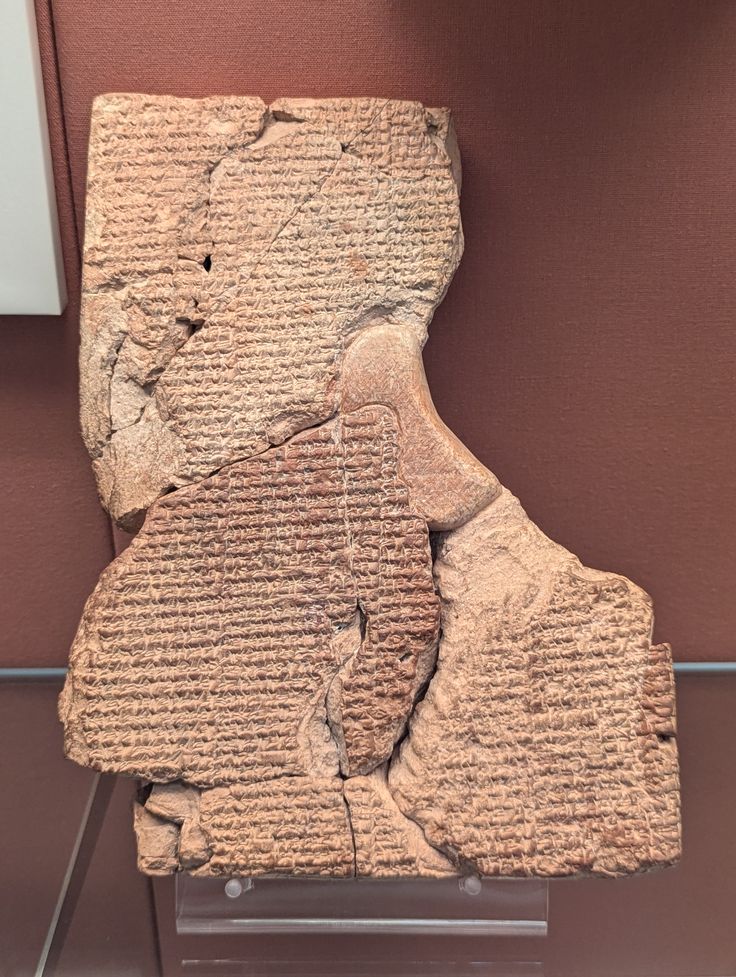
| Tradition | Story composed (scholarly range) | Oldest surviving physical copy | Dating basis |
|---|---|---|---|
| Sumerian (Ziusudra) | OB period; older debated | CBS 10673, ~1600 BCE | OB Sumerian script; Nippur 1893; pub. Poebel 1914 |
| Atrahasis | Old Babylonian, ~18th–17th c. BCE | Copy c. 1646–1626 BCE | Dated colophon (reign of Ammi-ṣaduqa) |
| “Ark Tablet” (Atrahasis variant) | Old Babylonian | ~1900–1700 BCE | Script (Finkel 2014); round-coracle ark |
| Gilgamesh XI | SB redaction ~1200–1100 BCE | K.3375, 7th c. BCE | Neo-Assyrian script + Nineveh library context |
| Hebrew (Genesis 6–9) | J/P ~10th–6th c.; final redaction 6th–5th c. BCE | Frag.: DSS 4Q252, late 1st c. BCE · Complete: Leningrad Codex, 1008 CE | Paleography (DSS); dated colophon (Leningrad) |
| Greek (Deucalion) | Allusions 7th–6th c. BCE (Hesiod, Pindar 466 BCE) | No tablet; via medieval MSS of Ovid (c. 8 CE), Apollodorus | Author-dating; later manuscript transmission |
| Hindu (Manu) | Shatapatha Brahmana, c. 800–600 BCE | Much later palm-leaf MSS | Linguistic dating of the text layer |
| Chinese (Yu) | Classic of History / Mencius, 4th c. BCE | Bin Gong xu bronze, c. 900 BCE | Bronze epigraphy (inscription) |
| Norse (Bergelmir) | Pre-Christian oral; recorded 13th c. | Prose Edda c. 1220; Codex Regius c. 1270 | Manuscript dating |
| N. American (earth-diver) | Pre-contact oral | Schoolcraft, 1839 | Date of first ethnographic transcription |
| Mesoamerican (Aztec / Maya) | Pre-Columbian motif; colonial text | Codex Chimalpopoca 1558; Popol Vuh (Ximénez) c. 1701 | Colonial manuscript dating |
In one breath: the oldest flood document is a ~1900–1700 BCE Babylonian tablet; the oldest copy of the Gilgamesh flood is 7th-century BCE; the oldest complete Hebrew flood text is 1008 CE; and the Greek, Chinese, Norse and New-World versions are later still or survive only through copies — so every flood story on Earth was written down thousands of years after the last great natural floods actually happened.
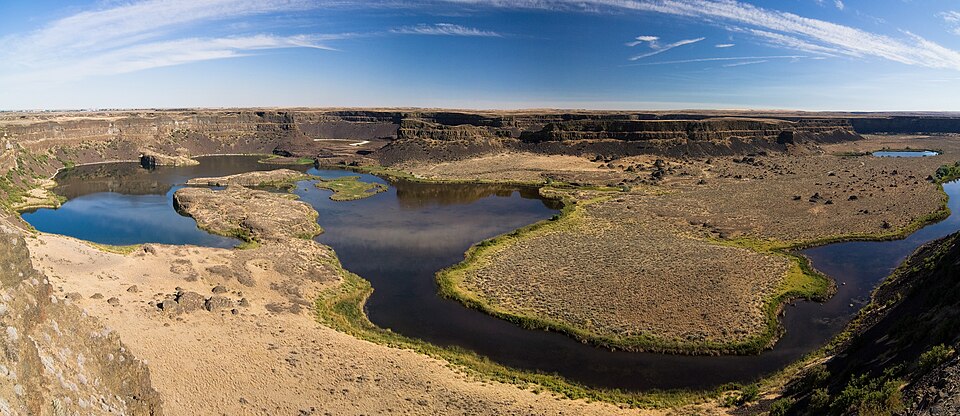
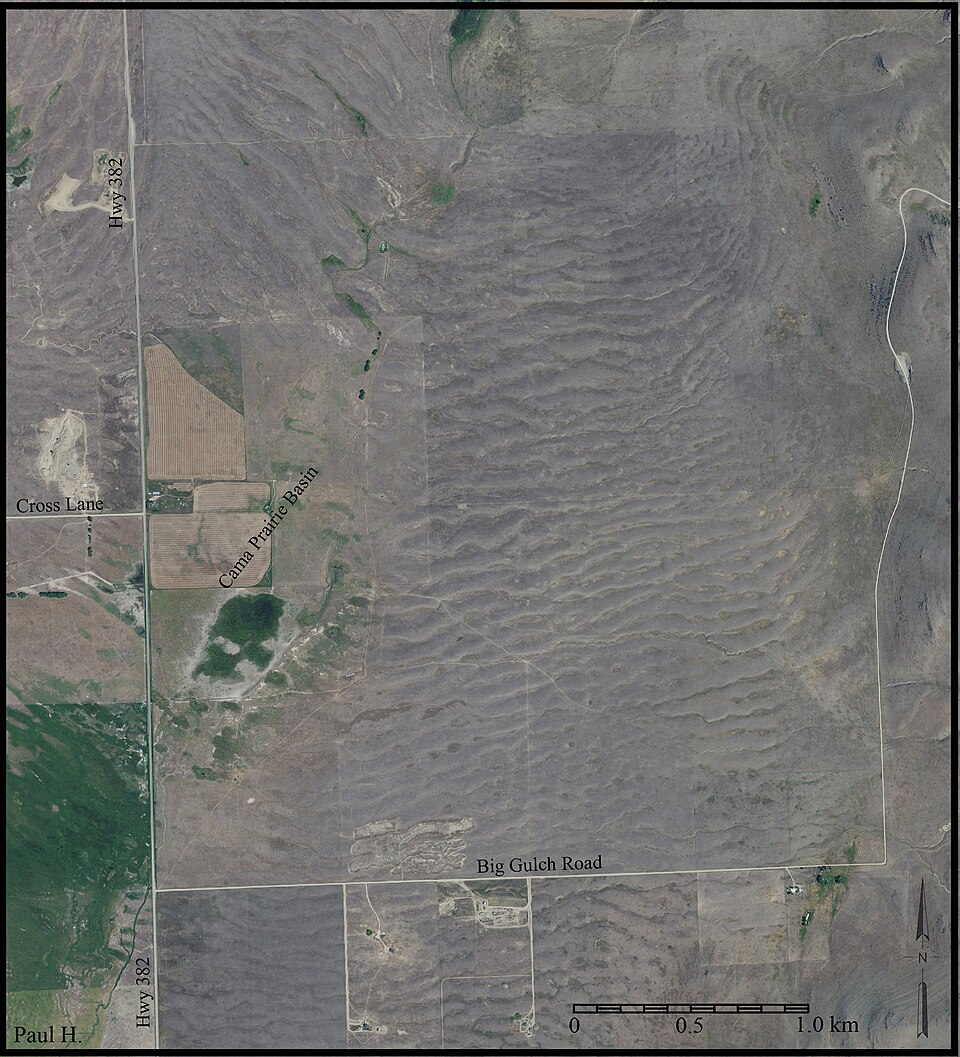
Here is the part that surprises people on both sides of the argument: the Earth’s crust really does carry the scars of enormous, sudden floods — walls of water that dwarf anything in recorded history. Geology spent a century resisting that idea and then had to accept it. The catch, which the rest of this document builds on, is that every one of these megafloods is regional, separately dated, and caused by a specific mechanism (a bursting ice dam, a basin refilling, a collapsing shelf). They are spread across 5.3 million years. Their collective lesson is methodological — catastrophic magnitudes are real and detectable — not that one worldwide inundation occurred.
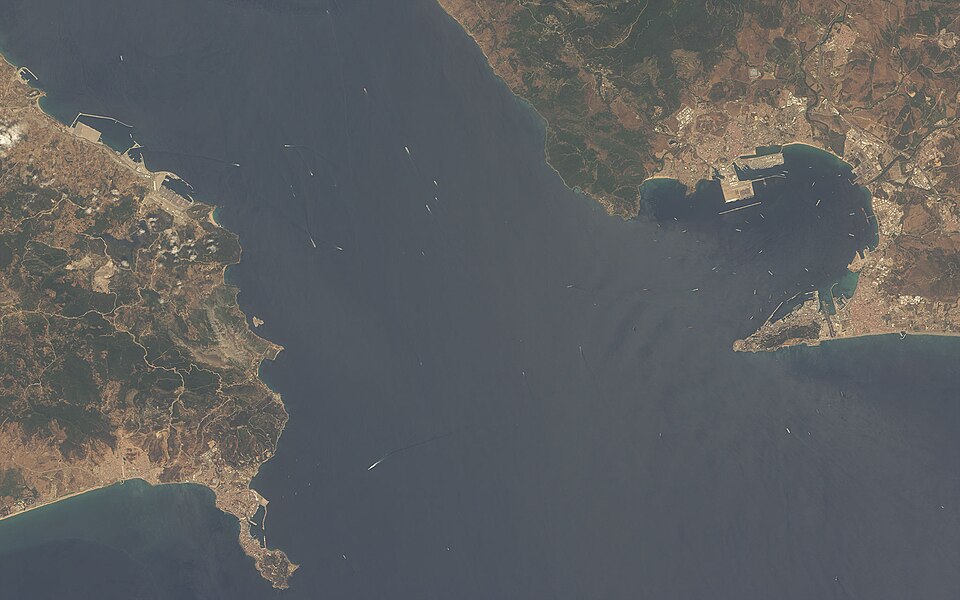
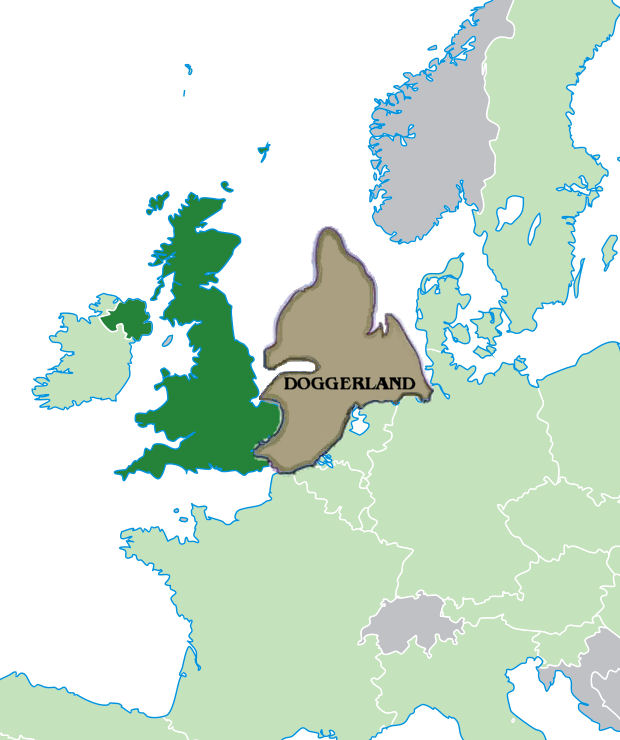
| Event | Date | Mechanism | Headline magnitude | Signature | Status |
|---|---|---|---|---|---|
| Missoula floods | ~18–15 ka (~40×) | Ice-dam jökulhlaups | ~17±3×10⁶ m³/s | Scabland, Dry Falls, ripples | Established |
| Zanclean megaflood | ~5.33 Ma | Gibraltar basin refill | ~10⁴ m³/s; >10 m/day | 200 km buried channel | Established |
| Black Sea “deluge” | ~7.6 ka (proposed) | Bosporus breach | ~5–10 m (disputed) | Submerged shoreline | Contested |
| Lake Agassiz / 8.2 ka | ~8.4 ka | Laurentide dam collapse | ~163,000 km³ freshwater | Deep-sea red-bed; strandlines | Mainstream, debated |
| Storegga slide | ~8,150 cal BP | Submarine landslide tsunami | ~20 m run-up | Tsunami sand in peat | Established |
| Altai megafloods | Late Pleistocene | Ice-dam jökulhlaups | ~10⁶–10⁷ m³/s | Giant gravel dunes (~16 m) | Established |
| MWP-1A / deglacial rise | ~14.6 ka; LGM–present | Ice-sheet collapse / eustatic | ~14–18 m; ~134 m total | Drowned reefs; submerged shelves | Established |
In one breath: the rocks record genuine megafloods bigger than any in human history — Missoula at seventeen million cubic metres a second, the Mediterranean refilling in months, 120 metres of sea drowning Doggerland — but they are a scattered archive of distinct, dated, regional catastrophes, which is precisely why they cannot be collapsed into one worldwide year-long flood.
If titanic floods are real, the natural next thought is: maybe one of them made all the layers. This section explains why that cannot be — not by asserting deep time, but by showing how the rocks are actually built. The decisive fact a one-year flood must defeat is not one clever stratum but the mutual agreement of a dozen independent clocks — biological, chemical, radiometric, astronomical — discovered by different people for different reasons across three centuries, all returning the same ordering and the same magnitudes.
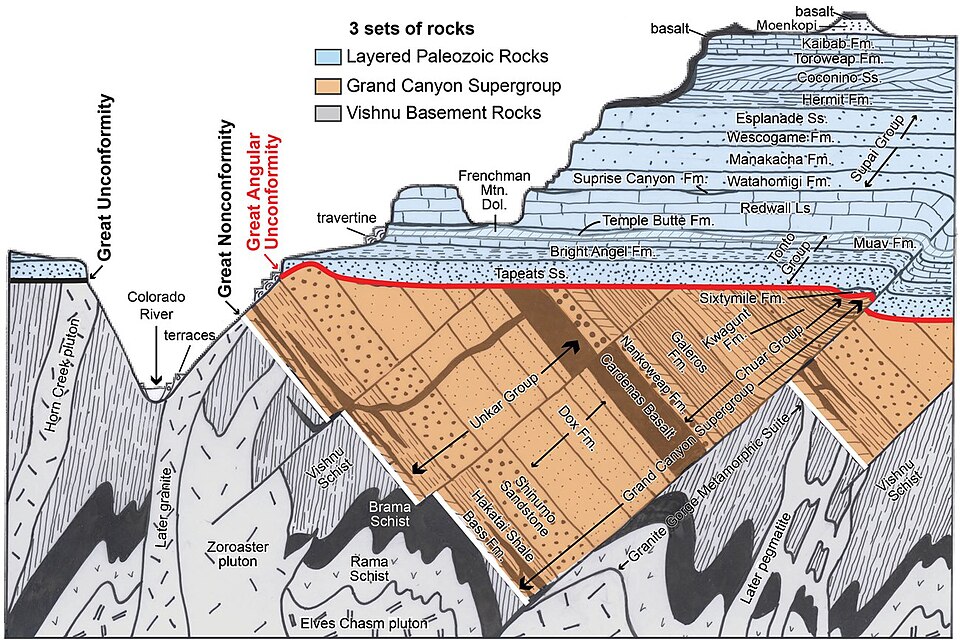
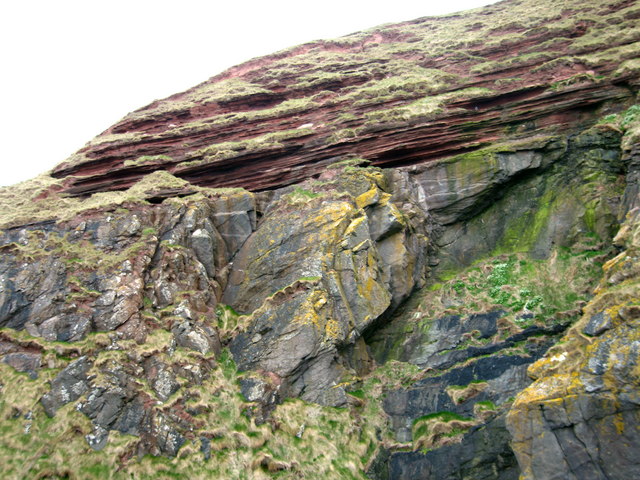
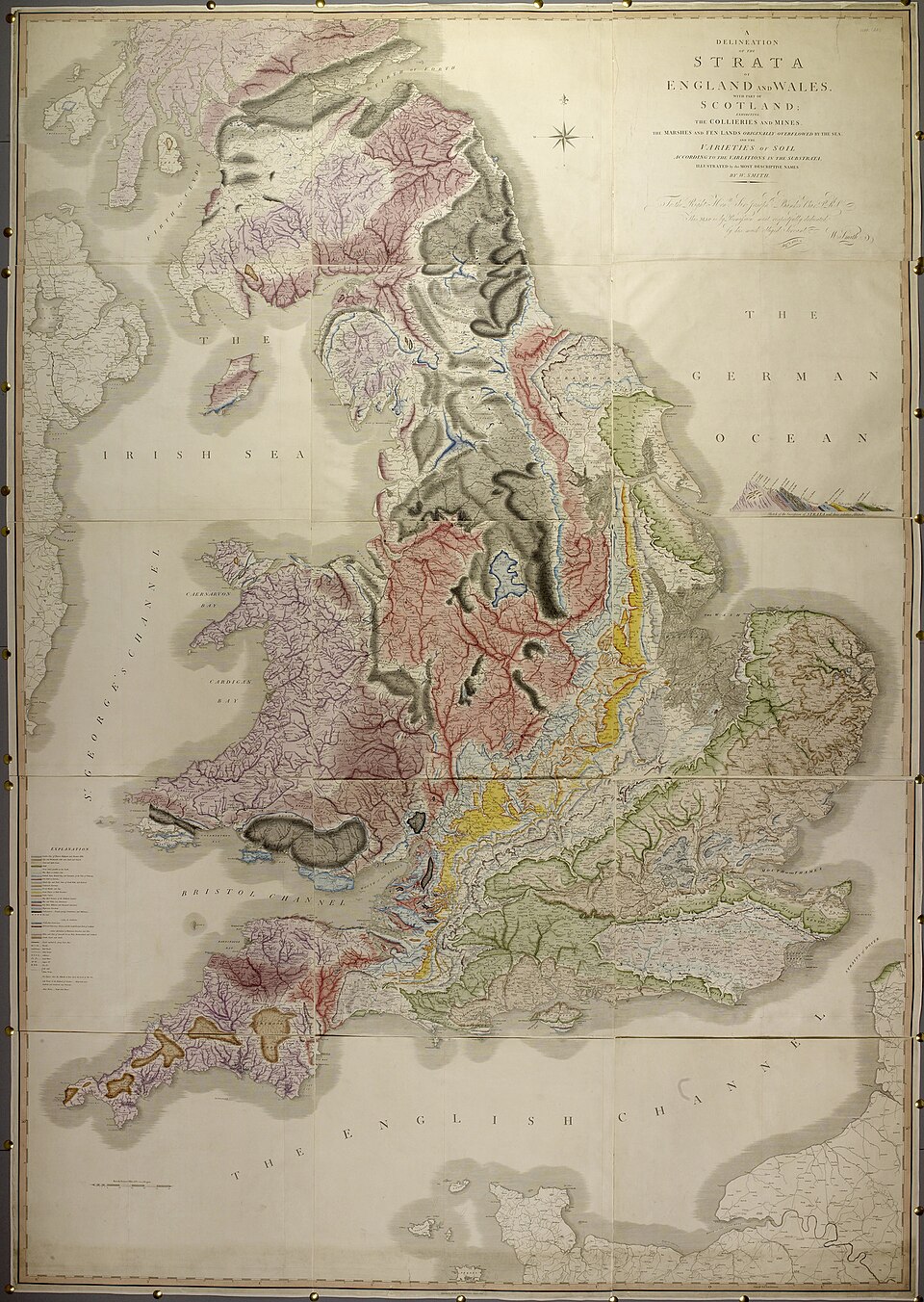
In one breath: coal needs rooted forests, chalk needs a slow rain of plankton, salt giants need evaporation not flooding, Castile needs a quarter-million counted years, reefs and soils and unconformities each encode serial steps that cannot overlap — and radiometric, orbital, ice-core and tree-ring clocks all agree — so the layered record is deep time, not one year of water.
Intellectual honesty cuts both ways: before weighing young-earth “flood geology,” it must be stated at its strongest, not knocked down as a caricature. Modern flood geology began with a serious book — Whitcomb & Morris, The Genesis Flood (1961) — and has developed researchable claims through Steven Austin, Andrew Snelling, and the RATE radioisotope project. Several of its observations are real and worth knowing. What follows gives its best arguments a fair hearing, then weighs each against the physical evidence.
In one breath: give flood geology its best shots — fast ash layers, standing trees, odd isotope readings — and every one turns out to be a real but local observation that says nothing about the worldwide fossil order, while the salt giants, counted varves, in-place reefs, stacked soils and four agreeing clocks each independently rule out one year of water.
Step back from the flood question and the rock record tells a far longer story — 4.6 billion years, five great extinctions, and 230 million years of dinosaurs, all independently dated. These ages are not guesses: they come from radiometric clocks on volcanic ash cross-checked against the magnetic reversal “barcode” and the clockwork of Earth’s orbit. The ordering is a second, blunt problem for a single-flood model: Triassic faunas never sit above Cretaceous ones.
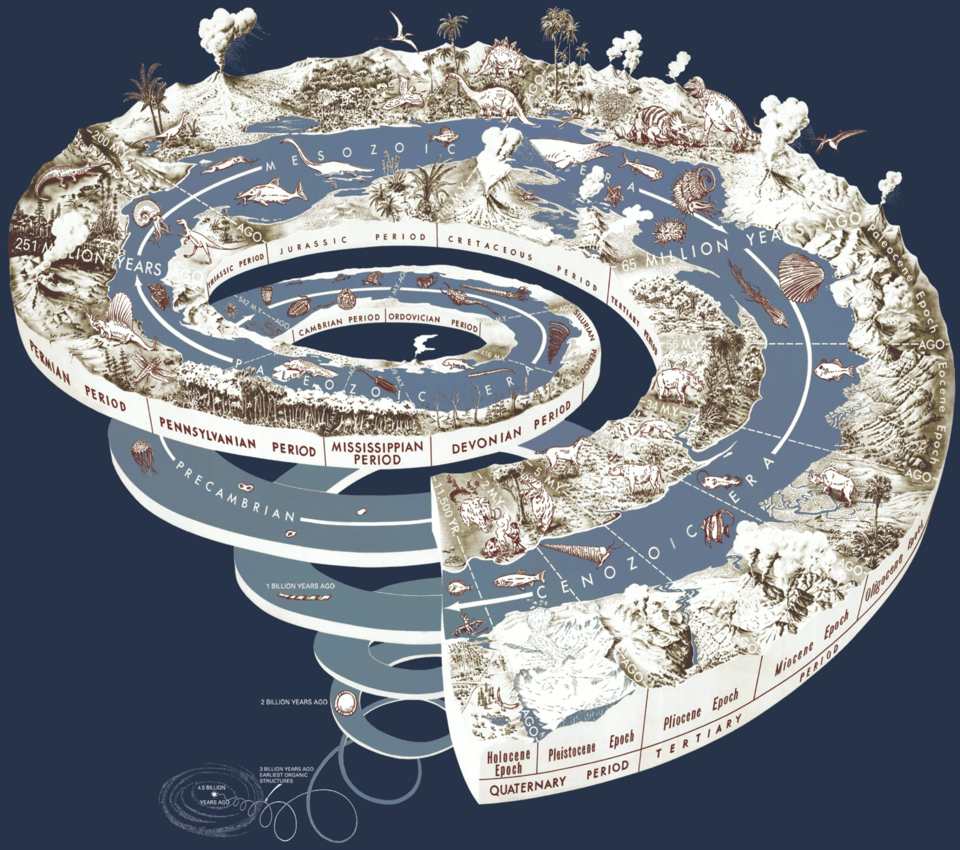
| Eon / Era | Span | Signature events |
|---|---|---|
| Hadean | 4.567–4.0 Ga | Earth forms; oldest zircons ~4.4 Ga (Jack Hills) |
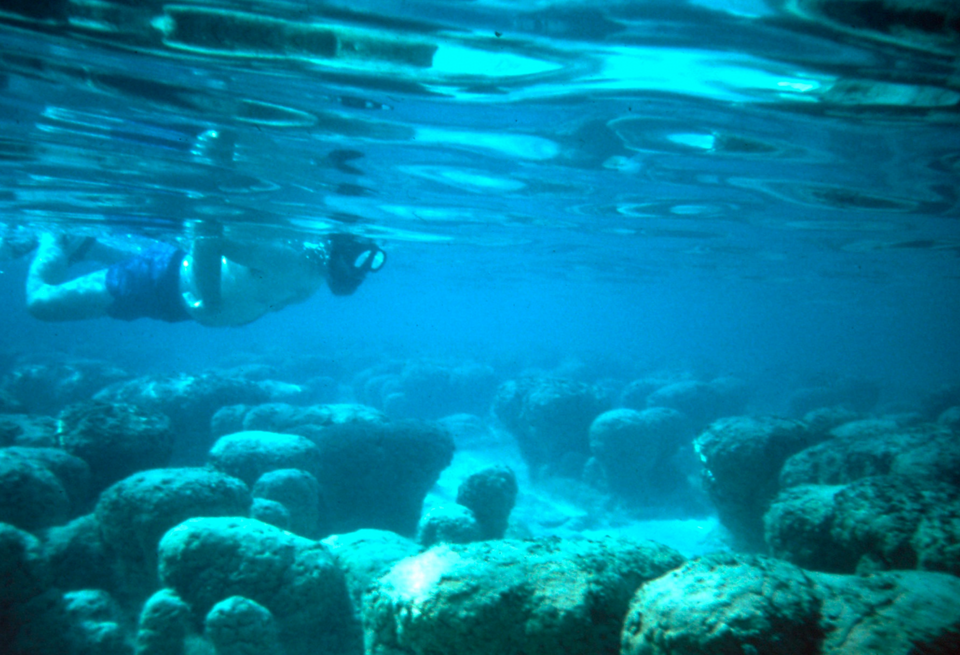
| Archean | 4.0–2.5 Ga | Earliest secure life ~3.5 Ga (stromatolites) |
| Proterozoic | 2.5 Ga–538.8 Ma | Great Oxidation Event ~2.43 Ga; first animals (Ediacara) |
| Paleozoic | 538.8–251.9 Ma | Cambrian Explosion; ends in the “Great Dying” |
| Mesozoic | 251.9–66.0 Ma | Age of dinosaurs; ends at Chicxulub |
| Cenozoic | 66.0 Ma–present | Age of mammals; Homo sapiens in the last 0.3 Ma |
| Extinction | Age | Magnitude | Leading cause |
|---|---|---|---|
| End-Ordovician | ~444 Ma | ~85% marine species | Glaciation, sea-level fall |
| Late Devonian | ~372 Ma | ~50% genera | Repeated ocean anoxia |
| End-Permian | 251.9 Ma | ~81–96% marine species | Siberian Traps volcanism |
| End-Triassic | ~201 Ma | ~50% genera | CAMP volcanism |
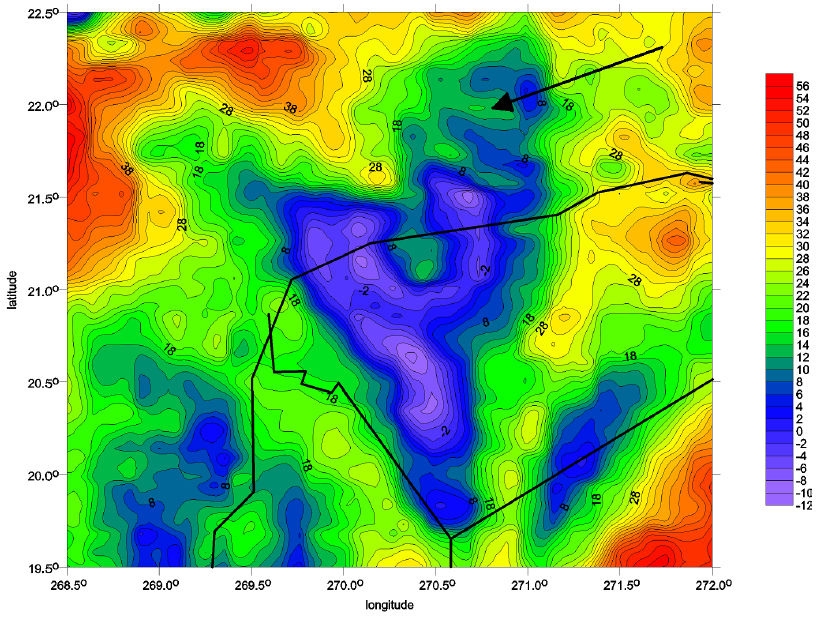
| End-Cretaceous (K–Pg) | 66.0 Ma | ~76% species | Chicxulub impact |
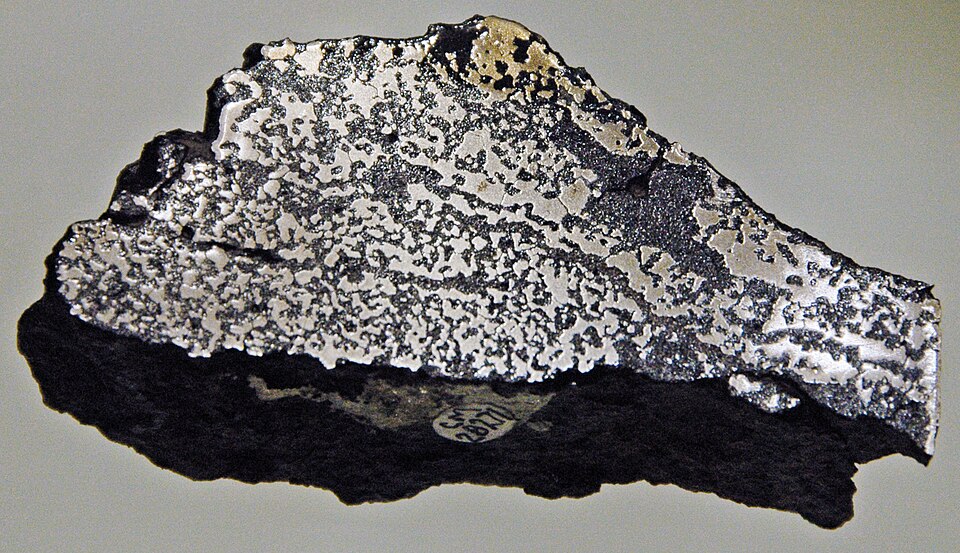
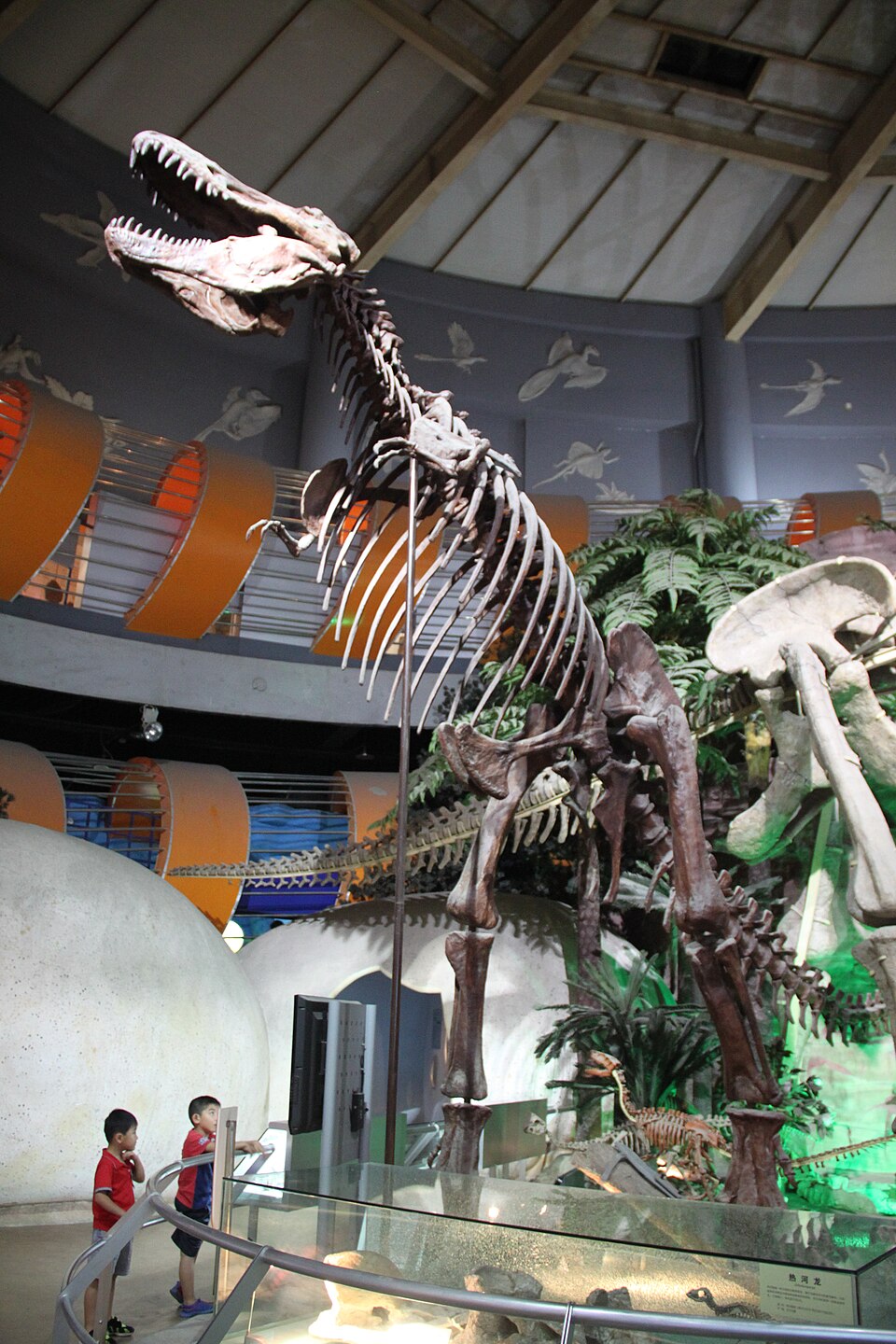

In one breath: the rocks record 4.6 billion years, five great die-offs (the worst volcanic, the last from an asteroid dated to the extinction within 32,000 years), and 230 million years of dinosaurs whose fixed stratigraphic order no flood could sort — all cross-checked by four independent clocks.
Now the two halves of the problem meet. Our species is roughly 300,000 years old; writing is only ~5,000. That gap of ~295,000 years is the crucial space the flood legends live in: any real flood a human saw had to travel by oral memory — sometimes for millennia — before anyone could write it down. This section fixes the human timeline, the Ice Age and the drowning of the shelves, and the Mesopotamian flood silts that may be the kernel of the story.
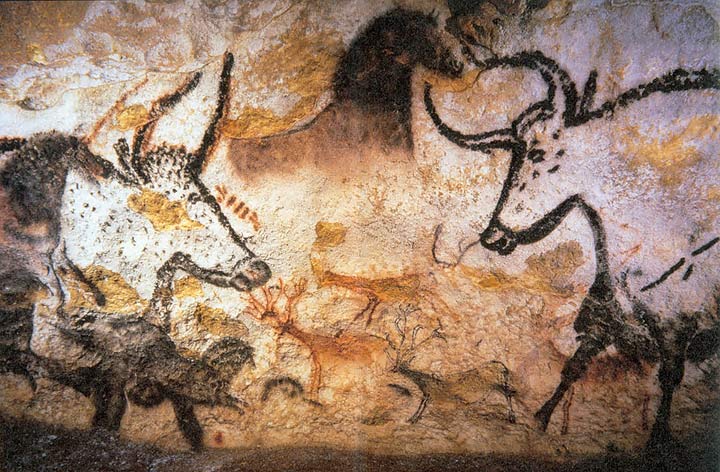
In one breath: humans are ~300,000 years old and literate for only ~5,000, so the real Ice-Age inundations — 120 metres of rising sea, the drowning of Doggerland and the Persian Gulf, the recurrent Shuruppak river floods — were witnessed and carried orally for millennia before any of them could be written down.
Everything above converges here. The world does remember a flood — that much is real and worth taking seriously. The honest question is why, and there are five candidate explanations, not one. The truth is almost certainly a layered combination of them, and sorting out which carries weight is exactly where popular treatments (on both sides) go wrong.
In one breath: the world remembers a flood because floods are universal, because one Near-Eastern family of stories really did diffuse, because at least one people truly kept the memory of rising seas for millennia, and because the Ice Age really did drown inhabited coasts — a layered, honest answer that honours both the data and the biblical text without pretending the strata were laid in a year.
This document was assembled from peer-reviewed primary literature, standard critical editions, and museum catalogues. Every date, discharge figure, accession number and percentage was checked against a named source; where a claim could not be anchored to a real reference it was omitted rather than estimated. Below are the key references by section, the standing honesty caveats, and full attribution for every image.
All images are genuine public-domain or Creative-Commons works downloaded from Wikimedia Commons (descriptive user-agent per Wikimedia policy); none are fabricated. Each is reproduced under its stated license with attribution.
| Fig. | Subject | Creator / source | License |
|---|---|---|---|
| 1 | Gilgamesh Flood Tablet (BM K.3375) | Photo: Mike Peel | CC BY-SA 4.0 |
| 2 | Noah’s Ark (1846) | Edward Hicks | Public domain |
| 3 | Matsya towing Manu’s boat | Unknown artist | Public domain |
| 4 | Yu the Great | Attrib. Ma Lin | Public domain |
| 5 | Atrahasis flood tablet | Photo: SpeakingArch | CC BY-SA 4.0 |
| 6 | Deucalion & Pyrrha (1636) | Peter Paul Rubens | Public domain |
| 7 | Dry Falls, Washington | Photo: Ikiwaner | CC BY-SA 3.0 |
| 8 | Giant current ripples, Camas Prairie | Photo: Paul H. | CC BY 4.0 |
| 9 | Strait of Gibraltar (satellite) | Axelspace Corporation | CC BY-SA 4.0 |
| 10 | Doggerland map (c. 10,000 BP) | Polaris999 (after Quizimodo) | Public domain |
| 11 | Grand Canyon stratigraphic column | U.S. National Park Service | Public domain |
| 12 | Hutton’s Unconformity, Siccar Point | Photo: Lisa Jarvis (geograph) | CC BY-SA 2.0 |
| 13 | Geological map of Britain (1815) | William Smith | CC0 |
| 14 | Geological time spiral | U.S. Geological Survey | Public domain |
| 15 | Living stromatolites, Shark Bay | Landing & Johnson (2024) | CC BY 4.0 |
| 16 | Chicxulub crater gravity anomaly | Klokočník et al. | CC BY 3.0 |
| 17 | Siberian Traps basalt, Putorana | Photo: James St. John | CC BY 2.0 |
| 18 | Tyrannosaurus rex skeleton | Photo: Gary Todd | CC0 |
| 19 | Polished ammonite fossil | Photo: Amir Ali Iranshahi | CC0 |
| 20 | Lascaux cave painting | Public-domain reproduction | Public domain |
Bottom line: the flood-legend convergence is a real and fascinating datum about shared human memory; genuine megafloods are written in the rock; and the deep-time fossil record is secured by four independent clocks — three true things that fit together only when each is graded honestly and none is forced to carry more than it can bear.
How to read this document. Sections are collapsed by default — open the ones you want, or hit Expand all. Every substantive claim carries a colored grade badge; the strongest claims are Established facts, the weakest are Speculative, and young-earth flood-geology claims that the evidence does not support are marked YEC and answered on the spot. Nothing here is an argument from authority: the datings, mechanisms and citations are given so you can check them.
GodExamined research desk · local study document · generated 2026-10-22.