 GOD EXAMINEDBible← Back to The Proof
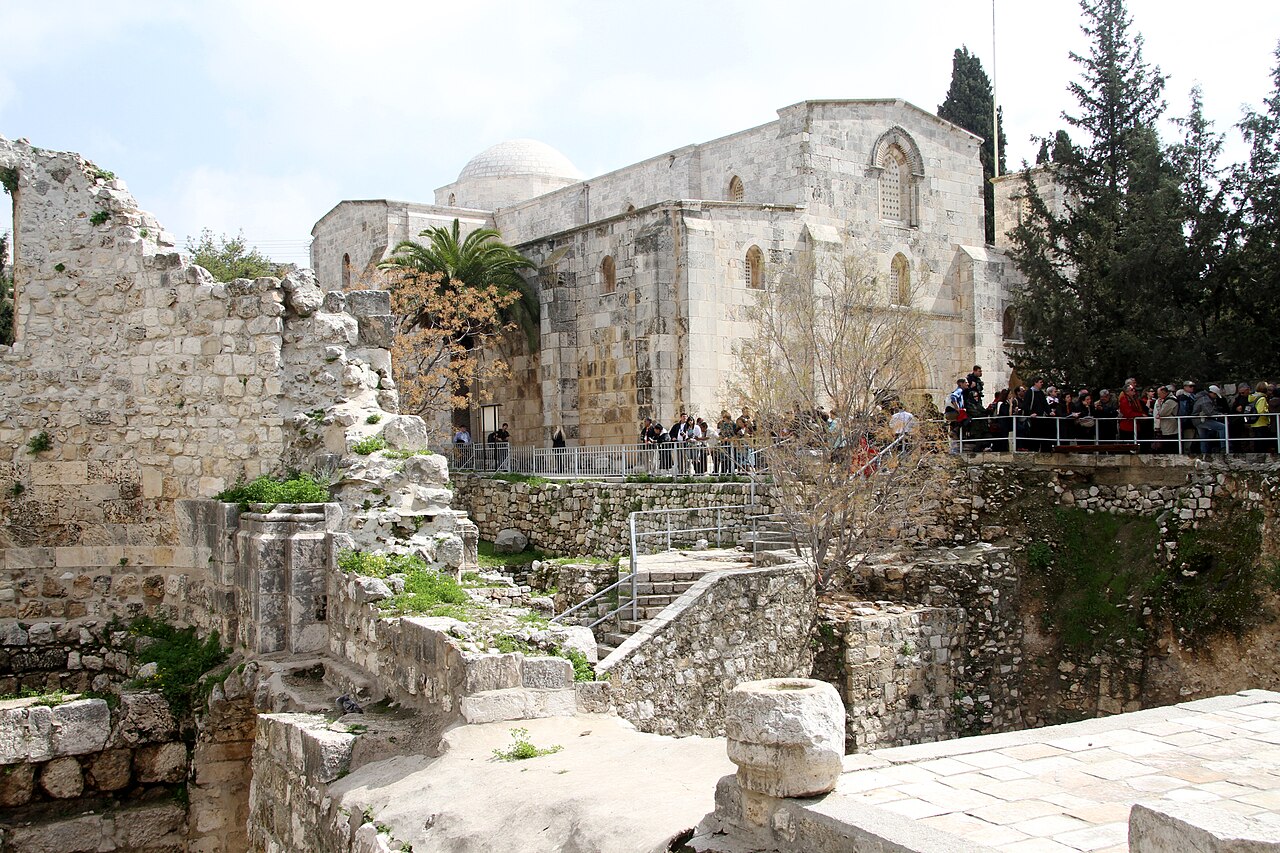
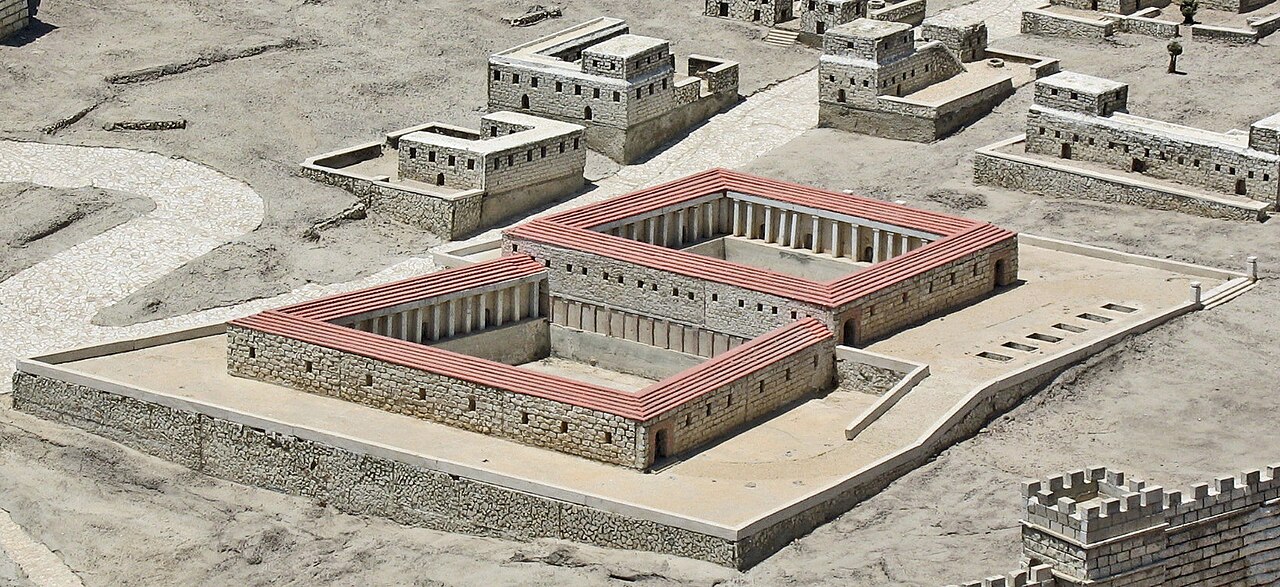
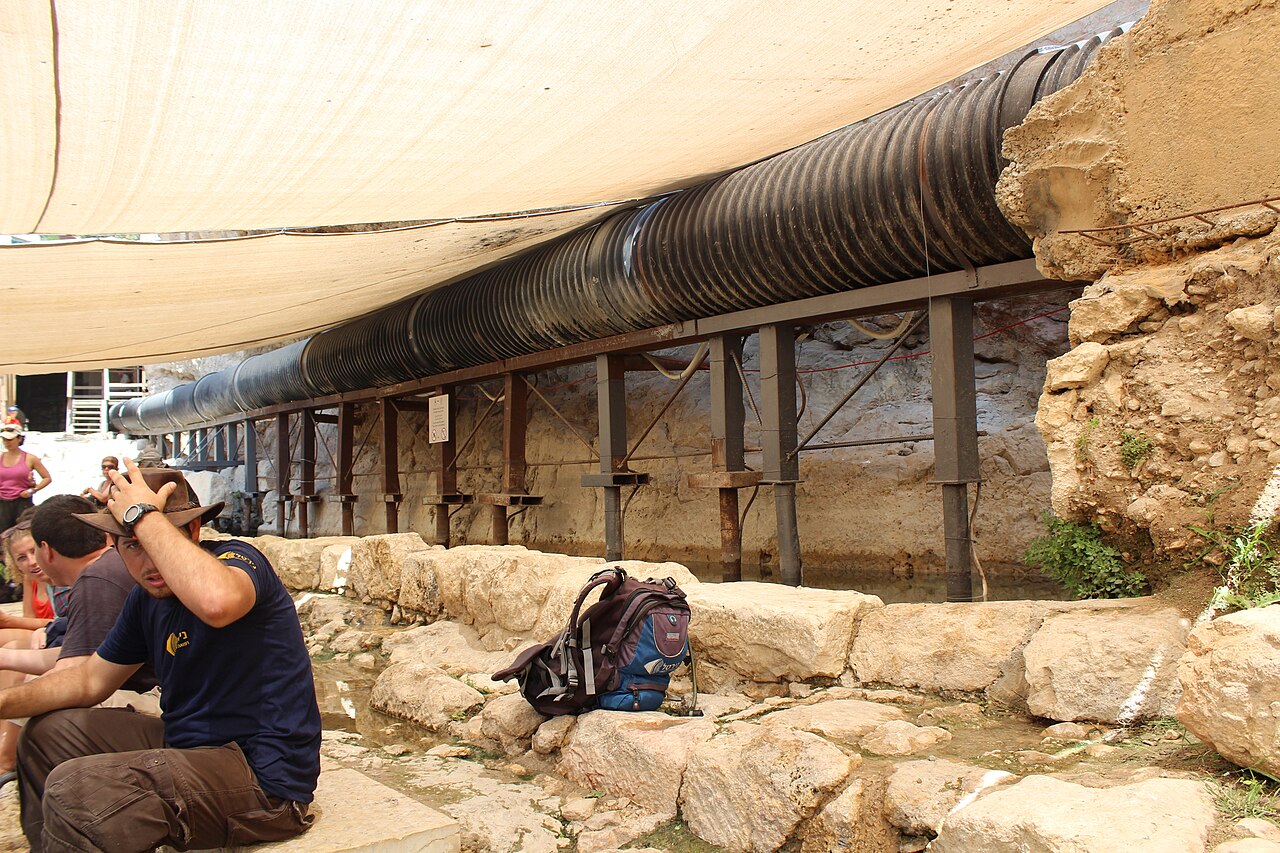
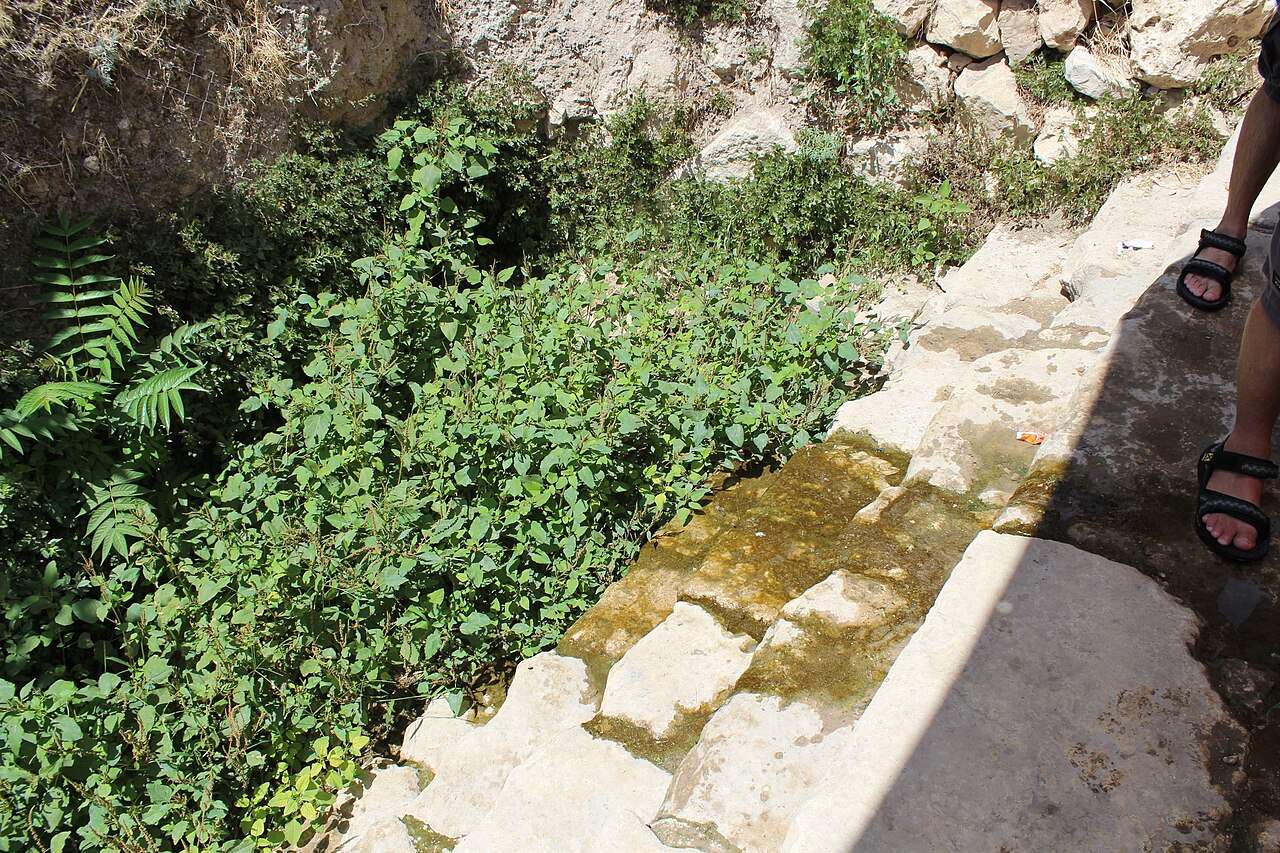
John is verifiable as the eyewitness ‘beloved disciple’ by the dense, incidental topography of his Gospel — the five porticoes of Bethesda (5:2), the Pool of Siloam (9:7), the name Malchus and that it was his right ear (18:10) — the kind of detail only someone who walked pre-70 Jerusalem could supply, closed with the first-person claim ‘what we have… touched’ (1 John 1:1).
Paul independently anchors him: writing in the 50s he names John, with Cephas and James, as one of the three ‘pillars’ of the Jerusalem church who gave him the right hand of fellowship (Gal 2:9) — placing John at the center of the earliest community, exactly where the Gospel tradition locates him.
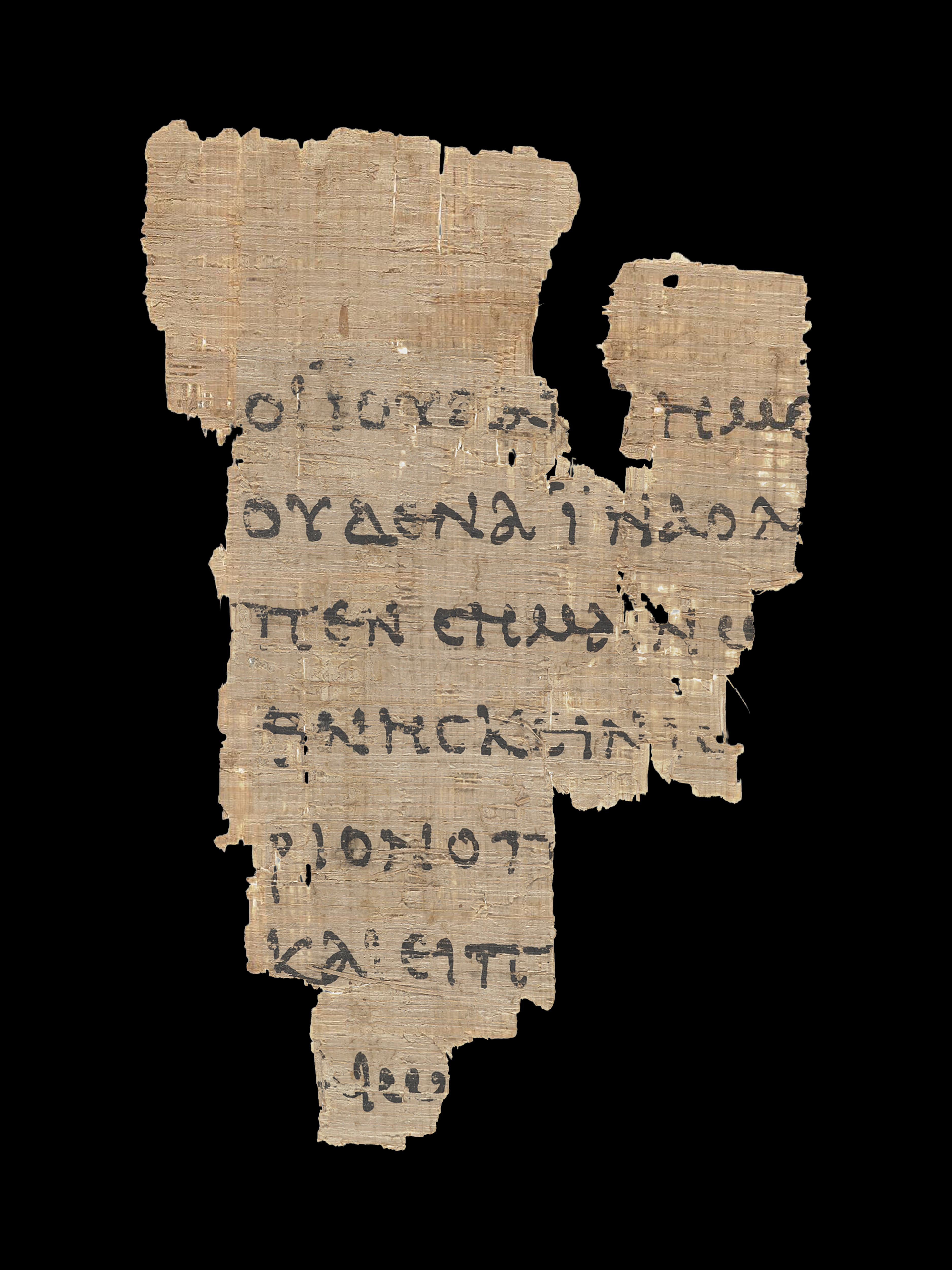
On dating: the attestation runs on an unusually short chain — Irenaeus, who knew Polycarp, who knew John — and the physical evidence is early: P52 (c.125) already circulates John 18 in Egypt, and the Gospel is dated c.90-100. Because the authorship debate (the apostle vs. a Johannine circle) is genuine, we grade it Mixed.
Film stills are copyrighted, so these are listed as references rather than reproduced here.
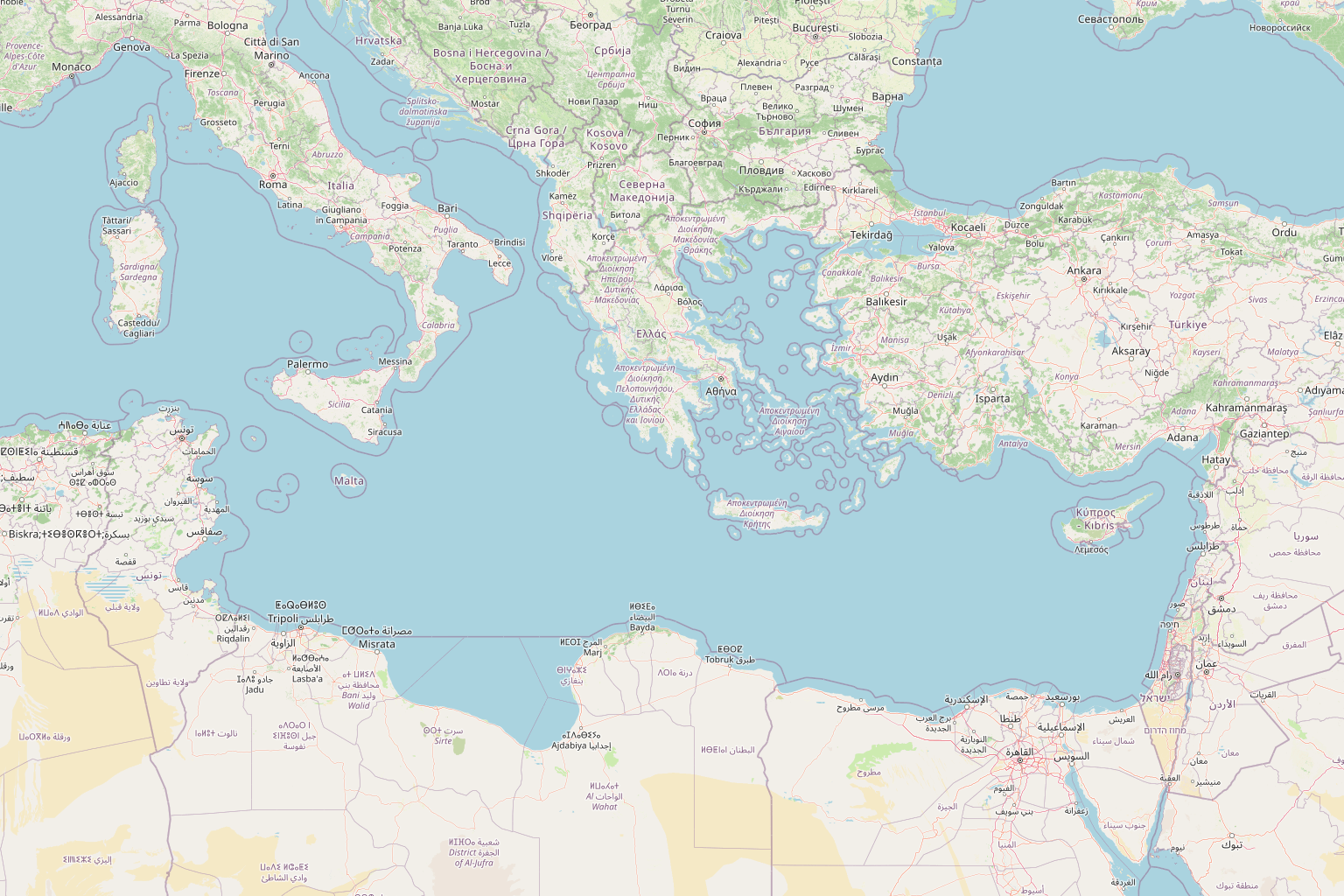
Click any ▸ Scripture reference to expand the verse (World English Bible).
| The point | The telling detail | Reference |
|---|---|---|
| The author asserts firsthand sight, on record, at the crucifixion. | 'He who saw it has borne witness; his testimony is true, and he knows that he tells the truth,' inserted precisely at the spear-thrust and the flow of blood and water — a detail a bystander, not a theologian, would fix on. | John 19:34-35However one of the soldiers pierced his side with a spear, and immediately blood and water came out. He who has seen has testified, and his testimony is true. He knows that he tells the truth, that you may believe. (WEB) |
| A closing signature ties the whole book to a named, still-known witness. | 'This is the disciple who is bearing witness about these things, and who has written these things, and we know that his testimony is true' — a community vouching for a living or recently-living source. | John 21:24This is the disciple who testifies about these things, and wrote these things. We know that his witness is true. (WEB) |
| The first epistle opens with a triple sensory claim — sight, sound, touch. | 'That which was from the beginning, which we have heard, which we have seen with our eyes, which we looked upon and have touched with our hands' — language of physical proximity, not secondhand report. | 1 John 1:1-3That which was from the beginning, that which we have heard, that which we have seen with our eyes, that which we saw, and our hands touched, concerning the Word of life (and the life was revealed, and we have seen, and testify, and declare to you the life, the eternal life, which was with the Father, and was revealed to us); that which we have seen and heard we declare to you, that you also may have fellowship with us. Yes, and our fellowship is with the Father, and with his Son, Jesus Christ. (WEB) |
| The Pool of Bethesda is described with an oddly specific architectural feature: five porticoes. | 'Now there is in Jerusalem by the Sheep Gate a pool, in Aramaic called Bethesda, which has five roofed colonnades' — a five-sided arrangement long dismissed as symbolic invention, since porticoed pools were rectangular (four sides). | John 5:2Now in Jerusalem by the sheep gate, there is a pool, which is called in Hebrew, “Bethesda”, having five porches. (WEB) |
| The author knows the named servant of the high priest and which ear was severed. | 'Simon Peter, having a sword, drew it and struck the high priest's servant and cut off his right ear. The servant's name was Malchus' — the side (right) and the name are the kind of incidental particulars only a close witness carries. | John 18:10Simon Peter therefore, having a sword, drew it, and struck the high priest’s servant, and cut off his right ear. The servant’s name was Malchus. (WEB) |
| The wedding at Cana is counted in vessels and volume. | 'Now there were six stone water jars there for the Jewish rites of purification, each holding twenty or thirty gallons' — stone (not pottery) vessels are exactly what Second-Temple purity law required, confirmed by the stone-vessel workshops later found near Jerusalem. | John 2:6Now there were six water pots of stone set there after the Jews’ way of purifying, containing two or three metretes apiece. (WEB) |
| The resurrection catch is given as an exact number. | 'Simon Peter went aboard and hauled the net ashore, full of large fish, 153 of them' — a fisherman's tally, not a round symbol, from a man who had counted a net before. | John 21:11Simon Peter went up, and drew the net to land, full of great fish, one hundred fifty-three; and even though there were so many, the net wasn’t torn. (WEB) |
| Time, weather, and calendar are logged with a diarist's precision. | 'the tenth hour' (1:39), the 'sixth hour' at Jacob's well (4:6), 'it was night' as Judas left (13:30), and 'it was the Feast of Dedication at Jerusalem. It was winter' (10:22-23) — seasonal and horological notes that serve no theological purpose except accuracy. | John 10:22-23It was the Feast of the Dedication at Jerusalem. It was winter, and Jesus was walking in the temple, in Solomon’s porch. (WEB) |
| Find / site | What it confirms | Reference |
|---|---|---|
| The Pool of Bethesda, north of the Temple near the Church of St. Anne. | Excavations (Conrad Schick, 1888; further work through the 1950s-60s) uncovered a twin pool divided by a central rock partition — four colonnades around the perimeter plus one on the dividing wall = exactly FIVE porticoes, matching John 5:2's detail that critics had treated as fictional. | Pool of Bethesda excavations, Jerusalem, 1888/1956; John 5:2Now in Jerusalem by the sheep gate, there is a pool, which is called in Hebrew, “Bethesda”, having five porches. (WEB) ▸ source textThe Pool of Bethesda is a twin-basin reservoir just north of the Temple Mount by the Sheep Gate, excavated beside the Crusader-era Church of St. Anne. Conrad Schick's 1888 work and later excavations through the 1950s-1960s uncovered two large pools separated by a central rock partition, with colonnades on all four outer sides plus a fifth along the dividing wall. That arrangement matches John 5:2's 'five roofed colonnades' exactly — a detail critics had long dismissed as symbolic invention since ordinary porticoed pools were rectangular (four sides). The complex was in use in the Second Temple period. Pool of Bethesda, Jerusalem (by the Church of St. Anne); excavations by Conrad Schick, 1888, and later campaigns through the 1950s-60s. |
| The Pool of Siloam, at the southern end of the City of David. | Discovered in 2004 during sewer repairs by Eli Shukron and Ronny Reich, a monumental stepped first-century pool fed by the Siloam channel — the very pool where John 9:7 has the blind man 'wash in the Pool of Siloam (which means Sent),' vindicating a location previously known only from a smaller Byzantine basin. | Reich & Shukron, City of David excavation, 2004; John 9:7and said to him, “Go, wash in the pool of Siloam” (which means “Sent”). So he went away, washed, and came back seeing. (WEB) ▸ source textA monumental stepped pool at the southern end of the City of David, uncovered in 2004 by Eli Shukron and Ronny Reich during municipal sewer repairs. Fed by the Siloam channel (water from the Gihon spring via Hezekiah's Tunnel), it dates to the late Second Temple period and is identified as the Pool of Siloam where John 9:7 sends the man born blind to 'wash in the pool of Siloam (which means Sent).' The find superseded a smaller Byzantine basin that had previously been shown as the site. Pool of Siloam, City of David, Jerusalem; excavation by Ronny Reich and Eli Shukron, 2004 (Israel Antiquities Authority). |
| Rylands Papyrus P52 (P.Ryl. Gr. 457), John Rylands Library, Manchester. | A credit-card-sized fragment of John 18:31-33, 37-38, palaeographically dated c.125-150, found in Egypt — the earliest known fragment of any New Testament book. It proves the Fourth Gospel was already copied and circulating far from its place of origin within a generation or two of the traditional writing, cramping any 'late second-century composition' theory. | Rylands Papyrus P52, c.125; ed. C. H. Roberts, 1935Rylands Library Papyrus P52 (P.Ryl. Gr. 457) is a small papyrus fragment, about the size of a credit card, with portions of John 18:31-33 on one side and 18:37-38 on the other. Found in Egypt and first published by C. H. Roberts in 1935, it is palaeographically dated to roughly 125-150. It is the earliest known fragment of any New Testament text and shows the Fourth Gospel was already copied and circulating in Egypt within a generation or two of its traditional composition, which weighs against a late-second-century date for the Gospel. P52 (P.Ryl. Gr. 457), John Rylands Library, Manchester; ed. C. H. Roberts, 1935; dated c.125-150. |
| Jacob's Well at Sychar (modern Balata, near Nablus/Shechem). | A genuine deep (~40 m) ancient well at the exact junction of the fields Jacob gave Joseph (Gen 33:19; 48:22), still flowing, matches John 4:5-6, 11 ('the well is deep') — a real, locatable site the author places with confidence. | Jacob's Well, Balata; John 4:5-12So he came to a city of Samaria, called Sychar, near the parcel of ground that Jacob gave to his son, Joseph. Jacob’s well was there. Jesus therefore, being tired from his journey, sat down by the well. It was about the sixth hour. A woman of Samaria came to draw water. Jesus said to her, “Give me a drink.” For his disciples had gone away into the city to buy food. The Samaritan woman therefore said to him, “How is it that you, being a Jew, ask for a drink from me, a Samaritan woman?” (For Jews have no dealings with Samaritans.) Jesus answered her, “If you knew the gift of God, and who it is who says to you, ‘Give me a drink,’ you would have asked him, and he would have given you living water.” The woman said to him, “Sir, you have nothing to draw with, and the well is deep. So where do you get that living water? Are you greater than our father, Jacob, who gave us the well, and drank of it himself, as did his children, and his livestock?” (WEB) ▸ source textJacob's Well (Bir Ya'qub) at Balata near Nablus — ancient Shechem, by the village of Sychar — is a genuine deep ancient well, about 40 m, sunk on the plot of ground traditionally associated with Jacob (Genesis 33:19; 48:22). Still yielding water today, it fits John 4:5-6, where Jesus rests at 'Jacob's well,' and the Samaritan woman's observation that 'the well is deep' (4:11). The well now lies within an Eastern Orthodox church compound. Jacob's Well, Balata (Tell Balata / Nablus), West Bank; traditional site, continuously identified since antiquity. |
| The Herodian eastern colonnade of the Temple Mount ('Solomon's Portico'). | The massive Herodian retaining wall and eastern platform confirm the covered colonnade John names in 10:23 ('Jesus was walking in the temple, in the colonnade of Solomon') and Acts 3:11; 5:12 — a real, weather-sheltered venue consistent with John's note that it was winter. | Temple Mount eastern wall, Jerusalem; John 10:22-23It was the Feast of the Dedication at Jerusalem. It was winter, and Jesus was walking in the temple, in Solomon’s porch. (WEB) ▸ source textThe eastern retaining wall and platform of the Herodian Temple Mount in Jerusalem supported a long covered colonnade along the eastern side, known as Solomon's Portico. The massive ashlar masonry of Herod the Great's expansion of the Temple platform survives in situ. It confirms a real, roofed walkway consistent with John 10:23 ('Jesus was walking in the temple, in the colonnade of Solomon') and Acts 3:11; 5:12 — a sheltered venue that fits John's note (10:22) that it was winter. Herodian Temple Mount eastern wall/platform (Solomon's Portico), Jerusalem; Herodian period construction. |
| The early substantial John papyri P66 (Bodmer II) and P75 (Bodmer XIV-XV). | P66 (c.200) preserves most of John and P75 (c.175-225) large sections of Luke and John, both carrying the Gospel's text and, in the case of titled codices, the 'According to John' inscriptio — showing the attribution and near-complete text were fixed remarkably early. | P66 (Bodmer II) c.200; P75 (Bodmer XIV-XV) c.175-225Papyrus 66 (Bodmer II) is a near-complete codex of the Gospel of John dated to about 200, and Papyrus 75 (Bodmer XIV-XV) is a codex preserving large portions of Luke and John dated c.175-225; both come from the Bodmer collection. Together they preserve an early and extensive text of John. P75 carries the title 'Gospel according to John' (euangelion kata Iohannen), evidence that the attribution of the Gospel to John was fixed remarkably early. P66 (Bodmer II), Bibliotheca Bodmeriana, c.200; P75 (Bodmer XIV-XV), c.175-225. |
| Ancient witness | What they say | Reference |
|---|---|---|
| Irenaeus of Lyon, c.180 | 'Afterwards, John, the disciple of the Lord, who also had leaned upon His breast, did himself publish a Gospel during his residence at Ephesus in Asia.' Irenaeus is a strong witness because he had heard Polycarp, who had known John personally — a short, traceable memory chain. | Irenaeus, Adversus Haereses 3.1.1"Matthew also issued a written Gospel among the Hebrews in their own dialect, while Peter and Paul were preaching at Rome, and laying the foundations of the Church. After their departure, Mark, the disciple and interpreter of Peter, did also hand down to us in writing what had been preached by Peter." Irenaeus of Lyons, *Against Heresies (Adversus Haereses)* 3.1.1 — tr. Roberts-Donaldson, Ante-Nicene Fathers (public domain). |
| The Muratorian Fragment, c.170-200 (Rome) | Recounts that John, urged by his fellow disciples and bishops to write, told them to fast three days and share what was revealed; Andrew received that on that night John should write all things in his own name with the others reviewing — an early tradition of the apostle John as author with community verification. | Muratorian Canon, lines 9-16The Muratorian Fragment is a late-second-century (c.170-200) list, surviving in a later Latin copy, of the writings accepted as Scripture at Rome. Its lines on the Fourth Gospel attribute it to the apostle John and describe its composition with his fellow disciples: John, urged by his fellow disciples and bishops, told them to fast three days and share what should be revealed; that same night it was revealed to Andrew that John should write down all things in his own name while the others reviewed it. Muratorian Canon (Muratorian Fragment), lines ~9-16, c.170-200. Text given as a faithful factual summary of the John section rather than a verbatim quotation, since no single English wording is securely public-domain. |
| Papias of Hierapolis, c.125 (preserved by Eusebius) | Lists 'what Andrew or Peter said, or... John or Matthew or any other of the disciples of the Lord' and separately 'the things which Aristion and the elder John, the disciples of the Lord, say.' He knows a John (apostle) and mentions 'the elder John' — the seed of both the traditional attribution and the modern authorship debate. | Papias via Eusebius, Historia Ecclesiastica 3.39.4'And if by chance any one came who had been a follower of the elders, I asked about the words of the elders — what Andrew or Peter said, or what was said by Philip, or by Thomas, or by James, or by John, or by Matthew, or by any other of the disciples of the Lord, and what things Aristion and the presbyter John, the disciples of the Lord, say.' Papias thus names both a John among the apostles and a separate 'presbyter John.' Papias of Hierapolis, quoted in Eusebius, Church History (Historia Ecclesiastica) 3.39.4 — tr. Nicene & Post-Nicene Fathers (McGiffert, public domain). |
| Theophilus of Antioch, c.180 | 'The holy Scriptures teach us, and all the spirit-bearing men, one of whom, John, says, "In the beginning was the Word, and the Word was with God"' — the earliest surviving writer to quote John 1:1 and name John explicitly as its author. | Theophilus, Ad Autolycum 2.22'And hence the holy writings teach us, and all the spirit-bearing [inspired] men, one of whom, John, says, "In the beginning was the Word, and the Word was with God," showing that at first God was alone, and the Word in Him.' This is the earliest surviving writer to quote John 1:1 and name John as its author. Theophilus of Antioch, To Autolycus (Ad Autolycum) 2.22 — tr. Ante-Nicene Fathers (Marcus Dods, public domain). |
| Clement of Alexandria, c.200 (preserved by Eusebius) | 'Last of all, John, perceiving that the external facts had been made plain in the [other] Gospels... composed a spiritual Gospel.' Clement both attributes the Gospel to John and gives the classic explanation for its difference from the Synoptics. | Clement via Eusebius, Historia Ecclesiastica 6.14.7'But that John, last of all, conscious that the outward facts had been set forth in the Gospels, was urged on by his disciples, and, divinely moved by the Spirit, composed a spiritual Gospel.' Clement both attributes the Gospel to John and gives the classic reason for its difference from the Synoptics. Clement of Alexandria, quoted in Eusebius, Church History (Historia Ecclesiastica) 6.14.7 — tr. Nicene & Post-Nicene Fathers (McGiffert, public domain). |
| Polycarp of Smyrna, early 2nd c. (as reported by Irenaeus) | Irenaeus reports that Polycarp 'was instructed by apostles, and conversed with many who had seen Christ,' and specifically had been a hearer of John — supplying the living human link between the apostle and the churches of Asia that received the Gospel. | Irenaeus, Adversus Haereses 3.3.4; Letter to Florinus via Eusebius HE 5.20'But Polycarp also was not only instructed by apostles, and conversed with many who had seen Christ, but was also, by apostles in Asia, appointed bishop of the Church in Smyrna, whom I also saw in my early youth, for he tarried a very long time...' In his Letter to Florinus (preserved in Eusebius, Church History 5.20) Irenaeus adds that he vividly remembered Polycarp giving 'the accounts which he gave of his intercourse with John and with the others who had seen the Lord.' Irenaeus, Against Heresies 3.3.4 — tr. Ante-Nicene Fathers (public domain); Irenaeus, Letter to Florinus, quoted in Eusebius, Church History 5.20 — tr. Nicene & Post-Nicene Fathers (public domain). |
The 'Johannine problem' is the most serious authorship dispute among the Gospels. Critics (classically Rudolf Bultmann, and moderately Raymond E. Brown, sharply Bart Ehrman) note: (1) the Fourth Gospel's Christology is strikingly higher and its long discourses stylistically unlike Jesus' terse Synoptic sayings, suggesting theological development over time; (2) Papias's own words distinguish 'the apostle John' from a separate 'elder John,' so even an early source is ambiguous about which John; (3) 21:24's 'we know his testimony is true' reads like a community editing an authority-figure's material rather than the man signing his own book, pointing many scholars to a 'Johannine community/school' rather than a single apostolic pen; and (4) already in antiquity Dionysius of Alexandria (c.250, in Eusebius HE 7.25) argued on careful stylistic grounds that Revelation's crude Greek and different vocabulary could not come from the same hand as the polished Gospel — so the five 'Johannine' books likely do not share one author.
Several concessions are fair: the discourses are shaped and translated by their author, not stenographic transcripts; a final editor plainly added chapter 21 and the 21:24 endorsement; and Dionysius's stylistic observation about Revelation is real — traditionally answered by different circumstances (Patmos exile, possibly an amanuensis for the Gospel but not the Apocalypse), which is a reasonable, not a forced, explanation. But the core attribution is unusually well anchored: the external chain Irenaeus→Polycarp→John is short and geographically fixed at Ephesus; Theophilus, Clement, the Muratorian Fragment, and the manuscript inscriptiones converge on John by the late second century with no competing candidate; and the internal fingerprints — studied anonymity, Aramaic glosses, high-priestly access, and pre-70 topography vindicated by the spade (Bethesda, Siloam) — are exactly what an aged Galilean eyewitness's testimony, edited by his disciples, would look like. Even Brown's 'Johannine community' locates the tradition's origin in the beloved disciple's own witness; the debate is about final drafting, not about whether real eyewitness memory stands behind the book.
See also: the directory · the full roster · verified by outsiders · how we verify the NT.