 GOD EXAMINEDBible← Back to The Proof
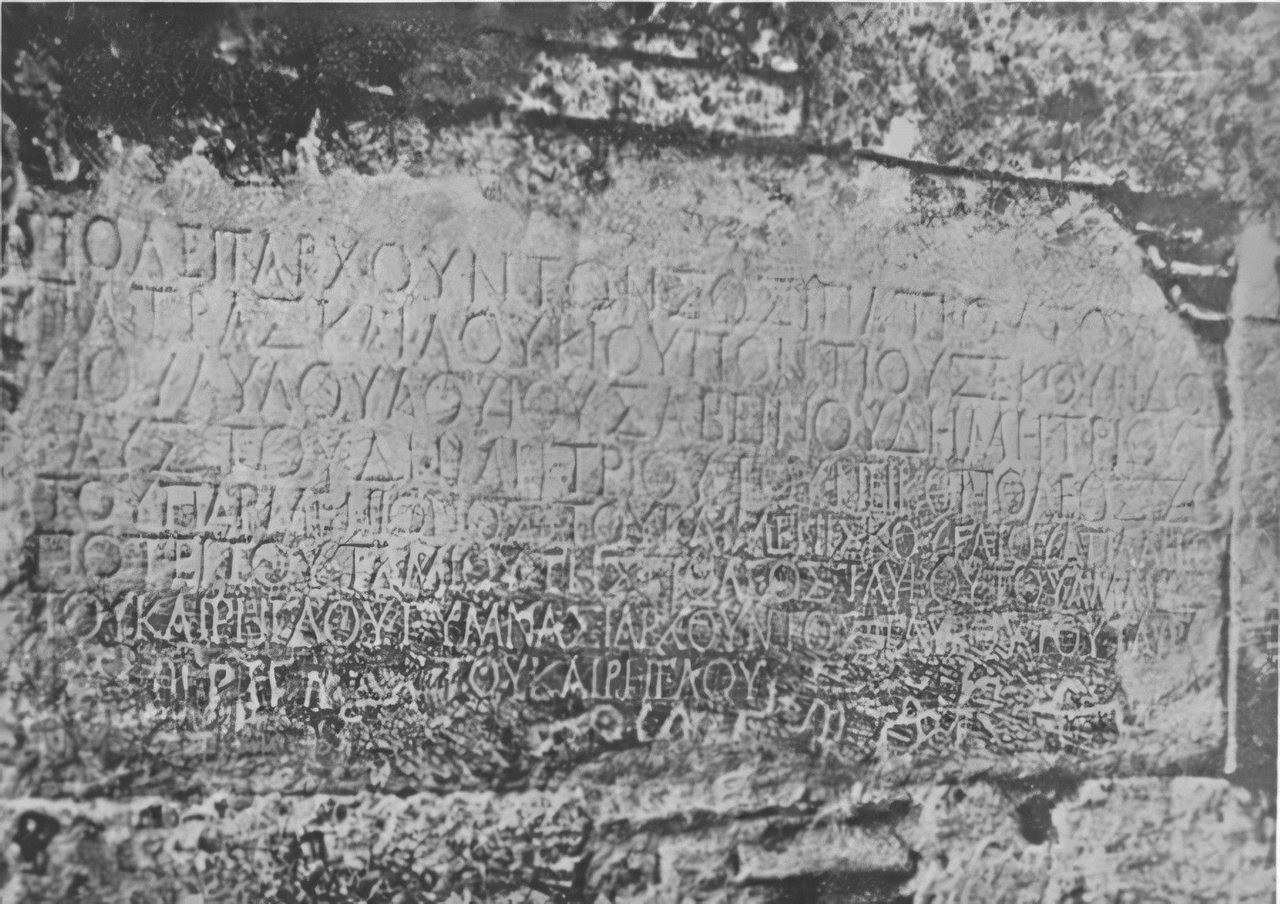
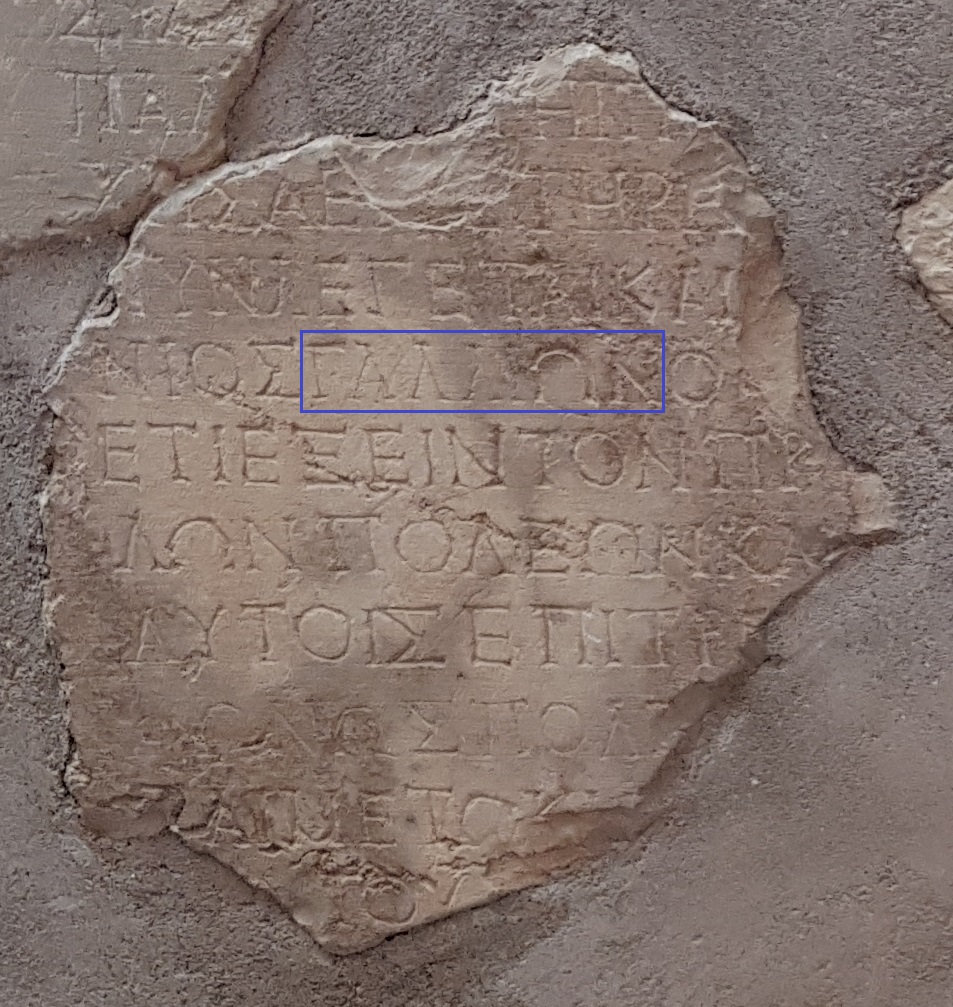
Luke is verifiable as a careful first-generation historian: he states his investigative method (Luke 1:1-4), writes as a firsthand participant in the ‘we-passages’ of Acts, and his precision has been repeatedly vindicated in the ground — the politarchs of Thessalonica, the Gallio inscription, Lysanias of Abilene, Sergius Paulus of Cyprus.
And Paul names him outright: ‘Luke, the beloved physician’ (Col 4:14), one of ‘my fellow workers’ (Philem 24), and at the very end ‘only Luke is with me’ (2 Tim 4:11). The companion the ‘we-passages’ imply is confirmed from within Paul’s own correspondence of the 50s-60s.
On dating: Luke-Acts is dated c.62-85; the Gallio inscription fixes the Corinth events it narrates to AD 51-52; and the Muratorian Fragment and Irenaeus (c.170-180) name Luke the physician as author. His accuracy wherever it can be tested, and the unmotivated ascription to a minor figure, make the attribution Solid.
Film stills are copyrighted, so these are listed as references rather than reproduced here.

Click any ▸ Scripture reference to expand the verse (World English Bible).
| The point | The telling detail | Reference |
|---|---|---|
| Luke states his historical method openly and distinguishes himself from the eyewitnesses. | In the prologue he says many accounts were handed down 'by those who from the beginning were eyewitnesses and servants of the word,' and that he himself, 'having followed all things closely (parekolouthekoti anothen pasin akribos) from the beginning,' decided to write 'an orderly account (kathexes)' for Theophilus. This is the technical language of a Hellenistic historian's preface — a claim to careful investigation of sources, not personal sight. | Luke 1:1-4Since many have undertaken to set in order a narrative concerning those matters which have been fulfilled among us, even as those who from the beginning were eyewitnesses and servants of the word delivered them to us, it seemed good to me also, having traced the course of all things accurately from the first, to write to you in order, most excellent Theophilus; that you might know the certainty concerning the things in which you were instructed. (WEB) |
| The narrative silently shifts from 'they' to 'we' the moment the author joins Paul at Troas. | Up to Acts 16:9 the account is third-person ('Paul... they'); at 16:10 it becomes 'we sought to go on into Macedonia,' running through the arrival at Philippi (16:17). The 'we' then drops when Paul leaves Philippi and resumes only years later when he returns — exactly the pattern of a companion who stayed behind, not a literary flourish. | Acts 16:10-17When he had seen the vision, immediately we sought to go out to Macedonia, concluding that the Lord had called us to preach the Good News to them. Setting sail therefore from Troas, we made a straight course to Samothrace, and the day following to Neapolis; and from there to Philippi, which is a city of Macedonia, the foremost of the district, a Roman colony. We were staying some days in this city. On the Sabbath day we went outside of the city by a riverside, where we supposed there was a place of prayer, and we sat down, and spoke to the women who had come together. A certain woman named Lydia, a seller of purple, of the city of Thyatira, one who worshiped God, heard us; whose heart the Lord opened to listen to the things which were spoken by Paul. When she and her household were baptized, she begged us, saying, “If you have judged me to be faithful to the Lord, come into my house, and stay.” So she persuaded us. As we were going to prayer, a certain girl having a spirit of divination met us, who brought her masters much gain by fortune telling. Following Paul and us, she cried out, “These men are servants of the Most High God, who proclaim to us a way of salvation!” (WEB) |
| A precise, mundane travel log records the return through the Aegean and up to Jerusalem. | The 'we' account names port after port with day-counts — Troas, Assos, Mitylene, Chios, Samos, Miletus (20:5-15); then Cos, Rhodes, Patara, Tyre, Ptolemais, Caesarea (21:1-18). The dull, verifiable texture of a diary kept by someone actually aboard, including lodging with Philip the evangelist at Caesarea. | Acts 20:5-15But these had gone ahead, and were waiting for us at Troas. We sailed away from Philippi after the days of Unleavened Bread, and came to them at Troas in five days, where we stayed seven days. On the first day of the week, when the disciples were gathered together to break bread, Paul talked with them, intending to depart on the next day, and continued his speech until midnight. There were many lights in the upper room where we were gathered together. A certain young man named Eutychus sat in the window, weighed down with deep sleep. As Paul spoke still longer, being weighed down by his sleep, he fell down from the third floor, and was taken up dead. Paul went down, and fell upon him, and embracing him said, “Don’t be troubled, for his life is in him.” When he had gone up, and had broken bread, and eaten, and had talked with them a long while, even until break of day, he departed. They brought the boy in alive, and were greatly comforted. But we, going ahead to the ship, set sail for Assos, intending to take Paul aboard there; for he had so arranged, intending himself to go by land. When he met us at Assos, we took him aboard, and came to Mitylene. Sailing from there, we came the following day opposite Chios. The next day we touched at Samos and stayed at Trogyllium, and the day after we came to Miletus. (WEB) |
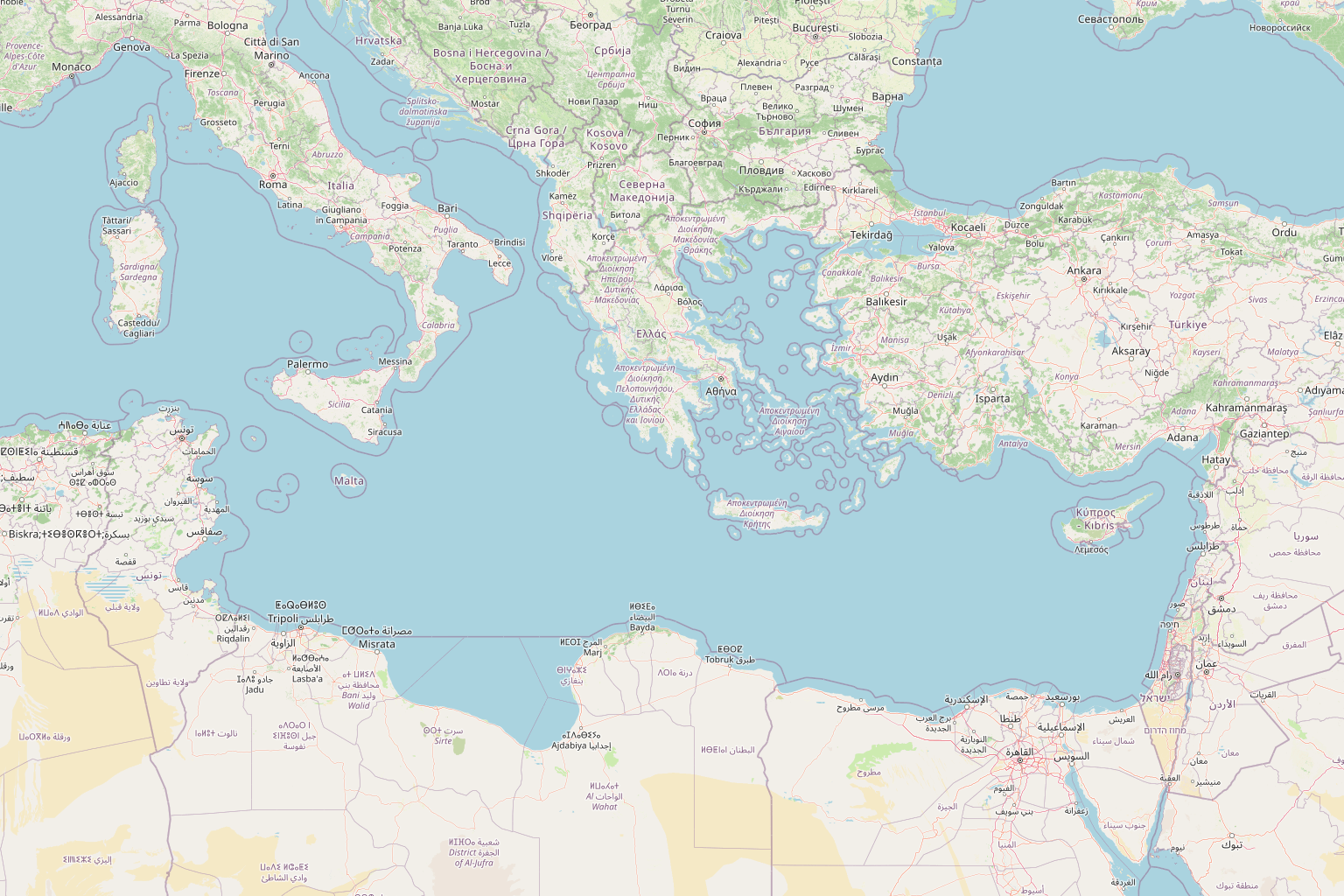
| The voyage-and-shipwreck to Rome is narrated with the technical detail of an eyewitness. | Acts 27-28 gives the northeaster named 'Euraquilo,' undergirding the hull with cables, jettisoning cargo and tackle, soundings of twenty then fifteen fathoms, and the run aground on Malta. James Smith of Jordanhill, an experienced yachtsman, verified the seamanship and drift as nautically exact in 'The Voyage and Shipwreck of St. Paul' (1848). | Acts 27:1-28:16When it was determined that we should sail for Italy, they delivered Paul and certain other prisoners to a centurion named Julius, of the Augustan band. Embarking in a ship of Adramyttium, which was about to sail to places on the coast of Asia, we put to sea; Aristarchus, a Macedonian of Thessalonica, being with us. The next day, we touched at Sidon. Julius treated Paul kindly, and gave him permission to go to his friends and refresh himself. Putting to sea from there, we sailed under the lee of Cyprus, because the winds were contrary. When we had sailed across the sea which is off Cilicia and Pamphylia, we came to Myra, a city of Lycia. There the centurion found a ship of Alexandria sailing for Italy, and he put us on board. When we had sailed slowly many days, and had come with difficulty opposite Cnidus, the wind not allowing us further, we sailed under the lee of Crete, opposite Salmone. With difficulty sailing along it we came to a certain place called Fair Havens, near the city of Lasea. When much time had passed and the voyage was now dangerous, because the Fast had now already gone by, Paul admonished them, and said to them, “Sirs, I perceive that the voyage will be with injury and much loss, not only of the cargo and the ship, but also of our lives.” But the centurion gave more heed to the master and to the owner of the ship than to those things which were spoken by Paul. Because the haven was not suitable to winter in, the majority advised going to sea from there, if by any means they could reach Phoenix, and winter there, which is a port of Crete, looking northeast and southeast. When the south wind blew softly, supposing that they had obtained their purpose, they weighed anchor and sailed along Crete, close to shore. But before long, a stormy wind beat down from shore, which is called Euroclydon. When the ship was caught, and couldn’t face the wind, we gave way to it, and were driven along. Running under the lee of a small island called Clauda, we were able, with difficulty, to secure the boat. After they had hoisted it up, they used cables to help reinforce the ship. Fearing that they would run aground on the Syrtis sand bars, they lowered the sea anchor, and so were driven along. As we labored exceedingly with the storm, the next day they began to throw things overboard. On the third day, they threw out the ship’s tackle with their own hands. When neither sun nor stars shone on us for many days, and no small storm pressed on us, all hope that we would be saved was now taken away. When they had been long without food, Paul stood up in the middle of them, and said, “Sirs, you should have listened to me, and not have set sail from Crete, and have gotten this injury and loss. Now I exhort you to cheer up, for there will be no loss of life among you, but only of the ship. For there stood by me this night an angel, belonging to the God whose I am and whom I serve, saying, ‘Don’t be afraid, Paul. You must stand before Caesar. Behold, God has granted you all those who sail with you.’ Therefore, sirs, cheer up! For I believe God, that it will be just as it has been spoken to me. But we must run aground on a certain island.” But when the fourteenth night had come, as we were driven back and forth in the Adriatic Sea, about midnight the sailors surmised that they were drawing near to some land. They took soundings, and found twenty fathoms. After a little while, they took soundings again, and found fifteen fathoms. Fearing that we would run aground on rocky ground, they let go four anchors from the stern, and wished for daylight. As the sailors were trying to flee out of the ship, and had lowered the boat into the sea, pretending that they would lay out anchors from the bow, Paul said to the centurion and to the soldiers, “Unless these stay in the ship, you can’t be saved.” Then the soldiers cut away the ropes of the boat, and let it fall off. While the day was coming on, Paul begged them all to take some food, saying, “Today is the fourteenth day that you wait and continue fasting, having taken nothing. Therefore I beg you to take some food, for this is for your safety; for not a hair will perish from any of your heads.” When he had said this, and had taken bread, he gave thanks to God in the presence of all, and he broke it, and began to eat. Then they all cheered up, and they also took food. In all, we were two hundred seventy-six souls on the ship. When they had eaten enough, they lightened the ship, throwing out the wheat into the sea. When it was day, they didn’t recognize the land, but they noticed a certain bay with a beach, and they decided to try to drive the ship onto it. Casting off the anchors, they left them in the sea, at the same time untying the rudder ropes. Hoisting up the foresail to the wind, they made for the beach. But coming to a place where two seas met, they ran the vessel aground. The bow struck and remained immovable, but the stern began to break up by the violence of the waves. The soldiers’ counsel was to kill the prisoners, so that none of them would swim out and escape. But the centurion, desiring to save Paul, stopped them from their purpose, and commanded that those who could swim should throw themselves overboard first to go toward the land; and the rest should follow, some on planks, and some on other things from the ship. So they all escaped safely to the land. When we had escaped, then they learned that the island was called Malta. The natives showed us uncommon kindness; for they kindled a fire, and received us all, because of the present rain, and because of the cold. But when Paul had gathered a bundle of sticks and laid them on the fire, a viper came out because of the heat, and fastened on his hand. When the natives saw the creature hanging from his hand, they said to one another, “No doubt this man is a murderer, whom, though he has escaped from the sea, yet Justice has not allowed to live.” However he shook off the creature into the fire, and wasn’t harmed. But they expected that he would have swollen or fallen down dead suddenly, but when they watched for a long time and saw nothing bad happen to him, they changed their minds, and said that he was a god. Now in the neighborhood of that place were lands belonging to the chief man of the island, named Publius, who received us, and courteously entertained us for three days. The father of Publius lay sick of fever and dysentery. Paul entered in to him, prayed, and laying his hands on him, healed him. Then when this was done, the rest also who had diseases in the island came, and were cured. They also honored us with many honors, and when we sailed, they put on board the things that we needed. After three months, we set sail in a ship of Alexandria which had wintered in the island, whose sign was “The Twin Brothers.” Touching at Syracuse, we stayed there three days. From there we circled around and arrived at Rhegium. After one day, a south wind sprang up, and on the second day we came to Puteoli, where we found brothers, and were entreated to stay with them for seven days. So we came to Rome. From there the brothers, when they heard of us, came to meet us as far as The Market of Appius and The Three Taverns. When Paul saw them, he thanked God, and took courage. When we entered into Rome, the centurion delivered the prisoners to the captain of the guard, but Paul was allowed to stay by himself with the soldier who guarded him. (WEB) |
| Paul himself, in his own letters, names Luke as present with him. | Independent of Acts, Paul three times lists a companion named Luke among the few still at his side in prison: 'Luke the beloved physician' greets the Colossians; Luke is among his 'fellow workers' to Philemon; and in his last letter, 'Luke alone is with me.' Paul's own hand confirms a physician-companion named Luke. | Col 4:14Luke, the beloved physician, and Demas greet you. (WEB) Philem 24as do Mark, Aristarchus, Demas, and Luke, my fellow workers. (WEB) 2 Tim 4:11Only Luke is with me. Take Mark, and bring him with you, for he is useful to me for service. (WEB) |
| The author places himself in the room with the founding eyewitnesses of the Gospel. | The 'we' account has the author lodging with Philip the evangelist (one of the Seven) at Caesarea and then meeting James and all the Jerusalem elders (21:8, 21:18). With Paul held two years at Caesarea (24:27), the author had time and access to interview Judean eyewitnesses — the concrete link between Acts's participant and the 'eyewitnesses' behind Luke 1:2. | Acts 21:8On the next day, we, who were Paul’s companions, departed, and came to Caesarea. We entered into the house of Philip the evangelist, who was one of the seven, and stayed with him. (WEB) |
| Find / site | What it confirms | Reference |
|---|---|---|
| Sir William Ramsay's field work in Asia Minor (conversion from skeptic to advocate). | Ramsay set out trained in the skeptical Tubingen assumption that Acts was a late, unreliable composition, but decades of on-site archaeology convinced him Luke was pinpoint accurate on titles, borders and routes. His verdict: 'Luke is a historian of the first rank... this author should be placed along with the very greatest of historians.' A hostile-turned-friendly witness to Luke's precision. | W. M. Ramsay, The Bearing of Recent Discovery on the Trustworthiness of the New Testament (1915), p. 222; St. Paul the Traveller and the Roman Citizen (1895)W. M. Ramsay, *The Bearing of Recent Discovery on the Trustworthiness of the New Testament* (1915) and *St. Paul the Traveller and the Roman Citizen* (1895): the pioneering archaeologist, who began as a skeptic of Acts in the Tubingen mold, concluded from decades of field work in Asia Minor that Luke was an exceptionally accurate historian of first-century geography, titles and customs, 'a historian of the first rank.' |
| The 'politarch' inscriptions of Thessalonica (e.g. the Vardar Gate inscription, British Museum). | Luke calls the Thessalonian city officials 'politarchs' (politarchai, Acts 17:6, 8) — a title found nowhere in classical literature, so critics once branded it an error. At least 19 inscriptions (over 30 catalogued since), several from Thessalonica itself, now attest exactly this office, vindicating Luke on a term no later forger would have known. | Politarch inscriptions, Thessalonica; Colin Hemer, The Book of Acts in the Setting of Hellenistic History (1989), ch. 4Luke calls the civic magistrates of Thessalonica 'politarchs' (politarchai, Acts 17:6, 8), a title unknown in classical literature that critics once treated as an error. Numerous Greek inscriptions from Macedonia — most famously the Vardar (Egnatia) Gate inscription removed from Thessalonica, now in the British Museum — list magistrates under exactly this title, with several naming the politarchs of Thessalonica itself. The find confirms Luke used the precise local term a later outsider would not have known. Politarch inscriptions, Macedonia/Thessalonica (Vardar Gate inscription, British Museum); discussed in Colin Hemer, *The Book of Acts in the Setting of Hellenistic History* (1989), ch. 4. |
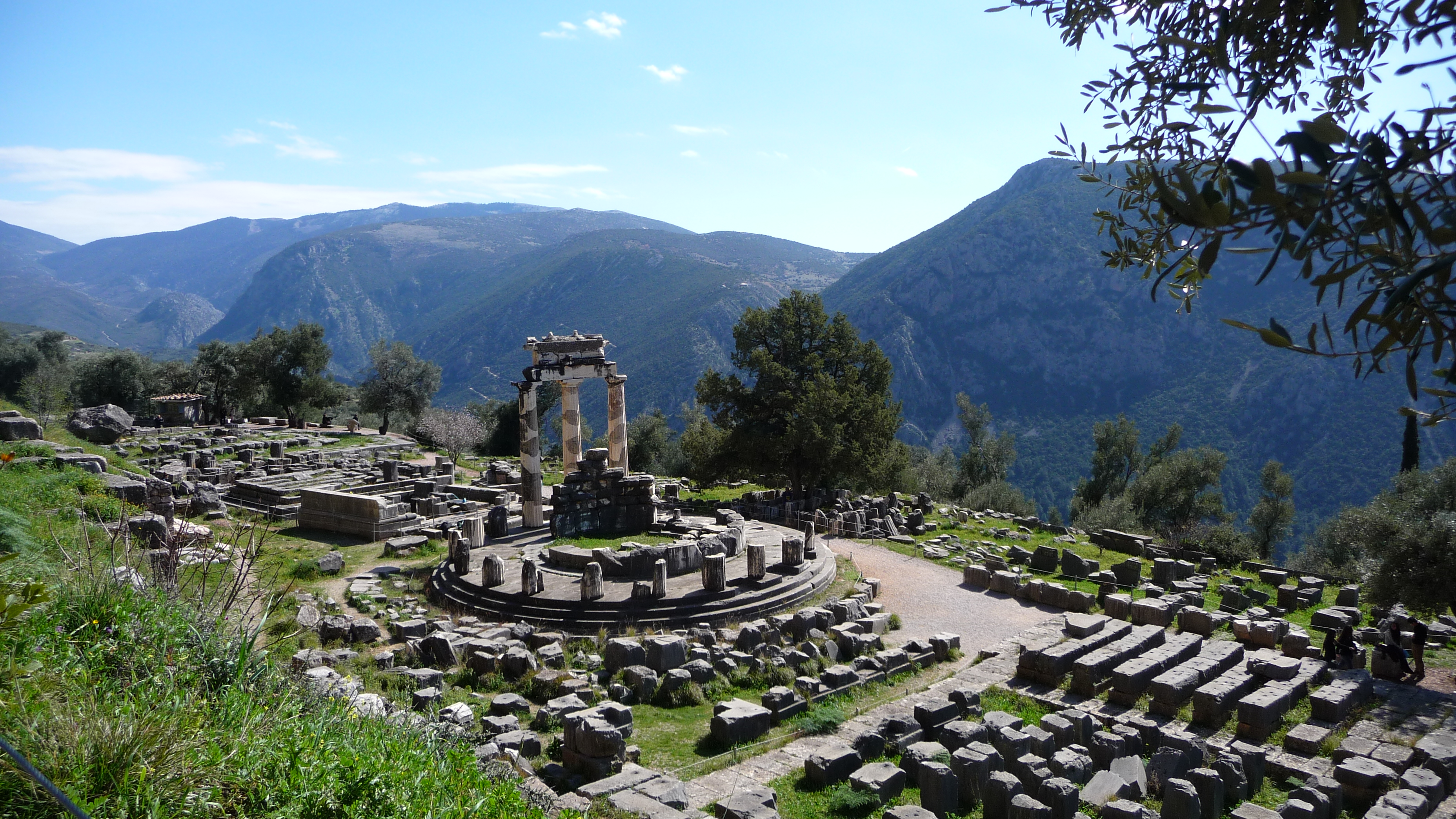
| The Gallio (Delphi) Inscription. | Luke says Paul was hauled before 'Gallio, proconsul of Achaia' (Acts 18:12). A rescript of Claudius found at Delphi names Lucius Junius Gallio as proconsul, fixing his term to about AD 51-52. It both confirms Luke's correct title (proconsul of a senatorial province) and anchors the single firmest date in all of Pauline chronology. | Delphi/Gallio Inscription (SIG 801); Hemer, Book of Acts (1989), appendixA fragmentary stone letter (rescript) of the emperor Claudius, found at the Temple of Apollo in Delphi, mentions 'Lucius Junius Gallio, my friend and proconsul of Achaia.' Its reference to Claudius's 26th imperial acclamation dates the text to about AD 52, placing Gallio's proconsulship in roughly AD 51-52. This confirms Luke's correct title for Gallio (Acts 18:12) and provides the firmest fixed date in Pauline chronology. Delphi (Gallio) Inscription, Dittenberger, *Sylloge Inscriptionum Graecarum* (SIG) 801; found at Delphi; discussed in Hemer, *Book of Acts* (1989), appendix. |
| Lysanias, tetrarch of Abilene — the Abila inscription. | Luke dates John the Baptist's ministry partly by 'Lysanias tetrarch of Abilene' (Luke 3:1). Critics said the only known Lysanias (of Chalcis) died in 36 BC, decades too early. A Greek inscription from Abila dated to Tiberius's reign (AD 14-37) names a later 'Lysanias the tetrarch,' confirming exactly the ruler and period Luke describes. | Abila inscription (CIG 4521); Luke 3:1Now in the fifteenth year of the reign of Tiberius Caesar, Pontius Pilate being governor of Judea, and Herod being tetrarch of Galilee, and his brother Philip tetrarch of the region of Ituraea and Trachonitis, and Lysanias tetrarch of Abilene, (WEB) ▸ source textA Greek dedicatory inscription from Abila, in the region of Abilene northwest of Damascus, records an offering made by a freedman 'for the salvation of the Augusti' in the name of 'Lysanias the tetrarch.' Its mention of the joint Augusti dates it to the reign of Tiberius (AD 14-37). It attests a Lysanias ruling as tetrarch in the early first century, distinct from the earlier Lysanias of Chalcis (killed 36 BC), confirming the ruler and period in Luke 3:1. Abila inscription, *Corpus Inscriptionum Graecarum* (CIG) 4521. |
| Sergius Paulus, proconsul of Cyprus (Acts 13:7) and the 'proconsul vs. propraetor' precision. | Luke calls the governor of Cyprus 'proconsul' (anthypatos) — correct, because after 22 BC Cyprus was a senatorial province ruled by a proconsul, not an imperial legate. He consistently gets the province-by-province title right (proconsul for Achaia and Cyprus; imperial officials elsewhere). Inscriptions attest the aristocratic Sergii Paulli family and a proconsul of the name in the era. | Acts 13:7who was with the proconsul, Sergius Paulus, a man of understanding. This man summoned Barnabas and Saul, and sought to hear the word of God. (WEB) ▸ source textLuke titles the governor of Cyprus 'proconsul' (anthypatos, Acts 13:7), the correct term because Cyprus had been a senatorial province governed by proconsuls since 22 BC rather than an imperial legate's province. The aristocratic Sergii Paulli family is attested in Roman inscriptions (e.g. a Latin inscription naming Lucius Sergius Paullus among curators of the Tiber banks under Claudius), and a fragmentary Greek inscription from Soli on Cyprus mentions a proconsul named Paulus. The epigraphic record supports both the family name and Luke's precise provincial title. Inscriptions of the Sergii Paulli (incl. CIL VI 31545, Rome; the Soli/Cyprus proconsul fragment); discussed in Hemer, *Book of Acts* (1989). |

| The Temple 'Soreg' warning inscription; the Ephesus theater, Artemis cult, and 'town clerk'; Publius 'first man' of Malta. | The mob's charge that Paul brought Greeks past the Temple barrier (Acts 21:28) matches the discovered Greek inscription forbidding foreigners to enter the inner courts on pain of death (Clermont-Ganneau, 1871; Istanbul museum). At Ephesus (Acts 19) the great theater, the temple of Artemis, the 'town clerk' (grammateus) and the Asiarchs are all attested. On Malta Luke's title for Publius, 'the first man (protos) of the island' (Acts 28:7), is confirmed as a genuine local title by Greek and Latin inscriptions. | Soreg/Temple warning inscription (Clermont-Ganneau 1871); Ephesus inscriptions & theater; Maltese 'protos' inscriptions; Hemer, Book of Acts (1989)The Soreg inscription is a Greek warning from the balustrade around the inner courts of the Jerusalem Temple, discovered by Charles Clermont-Ganneau in 1871 (now in the Istanbul Archaeological Museum, with a fragment in Jerusalem); it forbids any foreigner to pass the barrier on pain of death, matching the charge against Paul in Acts 21:28. At Ephesus the great theater, the Artemis cult, the 'town clerk' (grammateus) and the Asiarchs of Acts 19 are all archaeologically attested. On Malta, Greek and Latin inscriptions confirm that 'first man' (protos) of the island was a genuine local title, as Luke calls Publius in Acts 28:7. Soreg/Temple warning inscription (Clermont-Ganneau, 1871; Istanbul Archaeological Museum); Ephesus theater and civic inscriptions; Maltese 'protos' inscriptions; discussed in Hemer, *Book of Acts* (1989). |
| Ancient witness | What they say | Reference |
|---|---|---|
| Paul, mid-first century (c. AD 60-64) | Paul's own letters name Luke as a present companion: 'Luke the beloved physician,' a 'fellow worker,' and finally 'Luke alone is with me.' The earliest attestation of Luke the man comes from within the New Testament itself. | Col 4:14Luke, the beloved physician, and Demas greet you. (WEB) Philem 24as do Mark, Aristarchus, Demas, and Luke, my fellow workers. (WEB) 2 Tim 4:11Only Luke is with me. Take Mark, and bring him with you, for he is useful to me for service. (WEB) |
| Irenaeus of Lyons, c. 180 | 'Luke also, the companion of Paul, recorded in a book the Gospel preached by him.' Irenaeus repeatedly ties the third Gospel and Acts to Luke and appeals to the 'we-passages' as proof he traveled with Paul. | Adv. Haer. 3.1.1 (also 3.14.1)'Luke also, the companion of Paul, recorded in a book the Gospel preached by him' — placed in Irenaeus's famous sequence of the four Gospels after Matthew among the Hebrews and Mark the interpreter of Peter. In 3.14.1 Irenaeus adds that Luke 'was inseparable from Paul, and his fellow-labourer in the Gospel,' which he says Luke himself shows through the 'we' sections of the travel narrative. Irenaeus, *Against Heresies* 3.1.1 (cf. 3.14.1) — tr. Ante-Nicene Fathers (Roberts-Donaldson, public domain). |
| Muratorian Fragment, c. 170-200 | The oldest known canon list names 'the third book of the Gospel, according to Luke,' calls Luke 'the well-known physician' whom Paul took as his companion, and candidly adds that Luke 'himself never saw the Lord in the flesh' — so he began from John's birth. It also credits Acts to Luke, written for Theophilus. | Muratorian Fragment, lines 2-8, 34-39The Muratorian Fragment is the oldest known list of New Testament books, a Latin text preserved in a 7th-8th century codex but translating a Greek original of about AD 170-200. On Luke it reads: 'The third book of the Gospel is that according to Luke. Luke, the well-known physician, after the ascension of Christ, when Paul had taken him with him as one zealous for the law, composed it in his own name... Yet he himself had not seen the Lord in the flesh, and therefore, as he was able to ascertain events, so indeed he begins to tell the story from the birth of John.' Lines 34-39 add that 'the acts of all the apostles were written in one book' which Luke compiled for Theophilus from events that took place in his presence. Muratorian Canon, Biblioteca Ambrosiana, Milan (Cod. J 101 sup.); Latin copy, 7th-8th c., of a text c. 170-200 — standard public-domain English translation. |
| Tertullian, c. 207 | In refuting Marcion, Tertullian treats the third Gospel as Luke's and describes Luke as 'not an apostle but an apostolic man, not a master but a disciple' — a follower who published the gospel of his teacher Paul. | Adv. Marcionem 4.2, 4.5Refuting Marcion, Tertullian argues that the apostles John and Matthew 'instil faith into us,' while the apostolic men Luke and Mark 'renew it afterwards.' Of Luke he states: 'Luke, however, was not an apostle, but only an apostolic man; not a master, but a disciple, and so inferior to a master' — a follower who published the gospel of his teacher Paul. Tertullian, *Against Marcion* 4.2 (cf. 4.5) — tr. Ante-Nicene Fathers (Peter Holmes, public domain). |
| Anti-Marcionite Prologue to Luke (later 2nd c.) | Describes 'Luke, a Syrian of Antioch, a physician by profession,' a disciple of the apostles who later followed Paul, wrote his Gospel in Achaia, remained unmarried and childless, and died at eighty-four in Boeotia. | Anti-Marcionite Prologue to LukeThis short Latin prologue describes Luke as a Syrian of Antioch, a physician by profession, a disciple of the apostles who later followed Paul until Paul's martyrdom. It says he served the Lord without distraction, remained unmarried and childless, wrote his Gospel in the region of Achaia, and died at the age of eighty-four in Boeotia, full of the Holy Spirit. Anti-Marcionite Prologue to Luke (later 2nd c.) — faithful factual SUMMARY, not a verbatim quotation (no settled public-domain English wording quoted). |
| Eusebius of Caesarea, c. 325 | 'Luke, by birth of Antioch and a physician by profession, being for the most part a companion of Paul... has left us two inspired books, the Gospel and the Acts of the Apostles.' Jerome (De Viris Illustribus 7, c. 393) repeats the same, noting Luke's skill in Greek. | Eusebius, Historia Ecclesiastica 3.4.6; cf. Jerome, De Viris Illustribus 7'But Luke, who was of Antiochian parentage and a physician by profession, and who was especially intimate with Paul and well acquainted with the rest of the apostles, has left us, in two inspired books, proofs of that spiritual healing of souls which he learned from them' — the two books being the Gospel and the Acts of the Apostles. Jerome, *On Illustrious Men* 7, repeats that Luke was a physician of Antioch and a companion of Paul, author of the Gospel and Acts. Eusebius, *Church History* 3.4.6 — tr. Nicene & Post-Nicene Fathers (McGiffert, public domain); cf. Jerome, *De Viris Illustribus* 7. |
The books are formally anonymous, and a serious critical case dates Acts late and severs it from Paul's companion. Richard Pervo (Dating Acts, 2006; Acts, Hermeneia 2009) argues Acts was written c. AD 110-120 and drew on Josephus, so its author cannot have been Paul's associate. Vernon Robbins proposed the 'we-passages' are a conventional first-person style for sea-voyage narratives, not proof the author was aboard. And Philipp Vielhauer ('On the Paulinism of Acts,' 1950) contended that the theology and biography of Paul in Acts diverge from Paul's own letters, implying the author did not know him personally. The medical-vocabulary argument of Hobart, as Cadbury showed, was overstated.
Concede the honest points: both books are technically anonymous, Hobart's vocabulary case cannot bear real weight, and the differences between Acts's Paul and the letters deserve care. But the external attestation is early, unanimous, and unmotivated — the church had no incentive to credit two prestigious books to an obscure, non-apostolic Gentile physician who never saw Jesus; a forger would have chosen an apostle (the criterion of embarrassing ascription). Robbins's sea-voyage thesis has been widely faulted, since ancient voyages are usually third-person and Luke's 'we' also covers land episodes; the simplest reading is a participant. Pervo's Josephus-dependence is contested and better explained by shared tradition. Above all, the demonstrable accuracy that Ramsay, Sherwin-White ('any attempt to reject its basic historicity even in matters of detail must now appear absurd,' 1963) and Hemer documented — accuracy that fades the further one moves from the first-century Eastern-Mediterranean setting — fits a first-century companion far better than a second-century writer working from books.
See also: the directory · the full roster · verified by outsiders · how we verify the NT.